Latest News
UK heatwave June 2026: Somerset hit by hot nights
UK heat stays intense as the UK heatwave June 2026 brings very hot days in Somerset, warm nights, service strain, and updated NHS safety and energy advice.

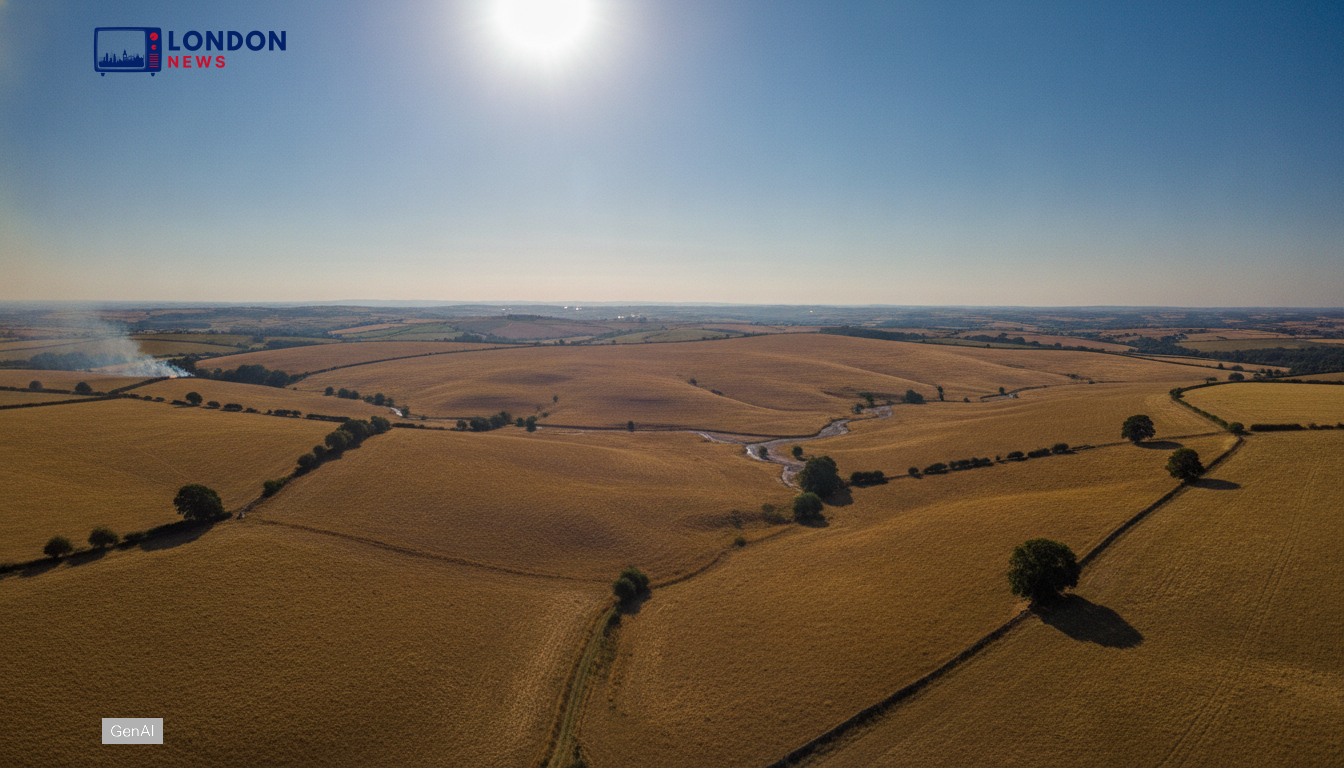
UK heatwave June 2026 scorches Somerset with relentless heat
Some June days make you wish for a breezy coast. On 25 June 2026, the Met Office reportedly recorded a scorching 36.7C as the day’s high in Somerset, illustrating what might be the warmest moment of the year. According to available reports, the UK heatwave June 2026 is keeping Somerset sweltering, with nights that feel more like saunas, limiting recovery and health. Residents near Glastonbury and Bridgwater mentioned overheated flats clinging to heat after dark, with some shopfronts shutting early and bus stops crowded with folks seeking the elusive shade. Local NHS trusts advised those with asthma and heart conditions to stay cautious with medicines and skip the serious exertion during peak heat.
Temperatures put a strain on travel, services, and homes
As indicated by ongoing reports, daily routines have tightened under the uk heatwave as indoor temperatures rise and nights offer little reprieve. In the past, Network Rail has noted that hot weather can spark speed checks to avoid track buckling, and some councils seemingly shifted waste and street duties to cooler times. The heat has also nudged air-quality concerns, turning public eyes to Lisbon air quality as a grim hint that heat can aggravate pollution sprawls, spoil food faster, and steal peaceful sleep. Small venues have noted a dip in visitors during the sizzling daytime hours.
Health guidance and local authority response
During this blazing saga, public agencies are focusing on keeping residents hydrated, cool, and connected, responding swiftly to vulnerable ones. The UK Health Security Agency is echoing advice for older folks, babies, and the chronically ill, while councils in the South West promise cooler spots in libraries and civic spaces if they’re staffed. BBC shared wider regional coverage for context, showing forecasters keenly watching night temperatures, and warning folks not to leave kids or pets in cars. Energy networks are keeping an eye on power consumption peaks, though exact figures are missing.
Safety for commuting, work, and energy use
Employers and event organisers are shifting from conventional cautions to practical tweaks for both outdoor workers and jam-packed venues. NHS guides suggest sipping water often, munching on lighter meals, and snagging shade breaks to keep cool. Commuters have been told to expect possible slowdowns from heat-related restrictions and to prepare for longer journeys, especially if planning to face the EU travel hurdles. Drivers are seeing their fuel use climb as AC units roar on and traffic lags. Schools and care facilities are prioritising shady zones and easing up on energy-draining activities.
Outlook for late June and early July
As June marches forward, there’s speculation on whether the heat will break or roar back, with meteorologists flaring the uncertainty alarm. The Met Office has turned to computer models to gauge how stubborn the heat might be, with an eye on potential thunderstorms where humid air tangles with breezy Atlantic fronts. Forecasters have observed that small winds can change coastal tunes quickly, while inland stays blistering longer after sundown. In response, Somerset councils are eyeing resilience lessons, pushing for cooler community buildings and better night ventilation. Agriculture experts are warning that dry soils could heighten heat impact, upping irrigation needs and stressing livestock.