Trending
EU entry exit system delays: what UK travellers face
EU entry exit system delays may affect UK travellers as biometric checks roll out at Schengen borders. Learn what changes, where queues form, and how to prepare.

EU Entry/Exit System rollout and expected delays for UK travellers
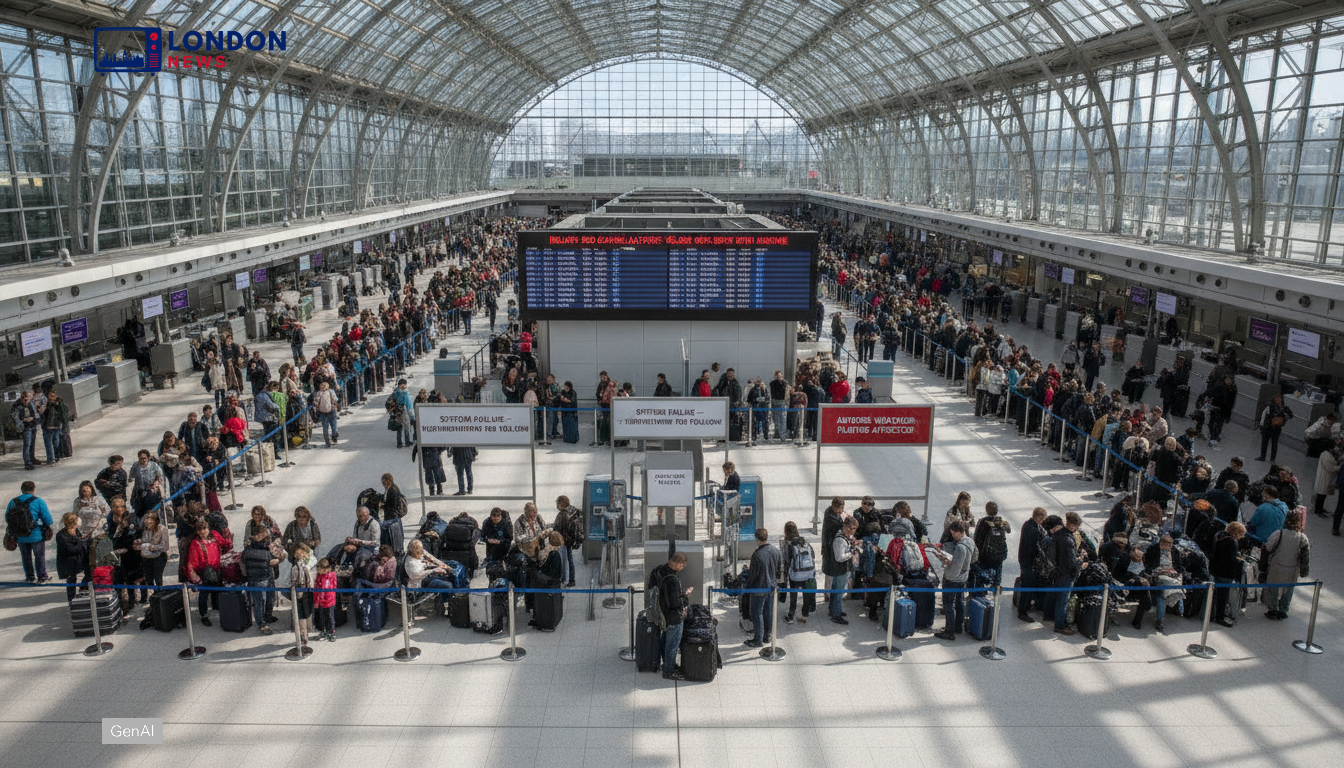
UK holidaymakers heading into the Schengen area are being warned that airport and port processing will feel different once the EU Entry/Exit System is introduced for non EU nationals. According to available reports, the European Commission suggests the system will register the date, time and place of entry and exit, and capture facial images and fingerprints where required. For many passengers, eu entry exit system delays will show up at the first border touchpoint as new biometric checks and digital entry records replace manual passport stamping. Travel operators are advising passengers to build more buffer time into itineraries, especially during the early months of deployment while border points adapt staffing and passenger flows.
Where eu entry exit system delays are most likely at borders
Queues are most likely where large volumes of UK passengers arrive in waves, particularly on short haul leisure routes and at ferry terminals with tight turnaround times. Airlines and airports have already raised concerns about pinch points, and the UK government has also flagged disruption risks for outbound travel during busy periods. Coverage of disruption planning has overlapped with wider travel resilience debates such as Gatwick Airport expansion backed in High Court ruling, and for related reporting on operational knock on effects in transport systems, see Train passed red signal before fatal crash, says report. The warning focus is eu entry exit system delays at first contact with a border officer or kiosk, when biometrics are captured and a new record is created.
What changes at passport control under the EU Entry/Exit System
One immediate change is that a traveller’s first post rollout entry is likely to take longer than later crossings, because enrolment creates the biometric profile used for subsequent checks. Under the EU Entry/Exit System, according to available reports, the European Commission suggests the record replaces stamping and helps calculate permitted stays under the 90 days in any 180 day rule for short visits. For context on broader planning pressures, see Energy contracts in Portugal aim to steady prices. For families, processing can slow to the pace of the least prepared traveller, especially if documents are not ready at the desk. If you are planning trips that depend on tight arrival windows, leave extra slack to account for eu entry exit system delays and for any local variation in staffing, lane layout and equipment readiness.
How to prepare and reduce delay risk at airports and ports
Preparation is largely about reducing friction at the moment of inspection, because small delays compound quickly in a queue. Travellers should keep passports accessible, remove face coverings when asked, and follow instructions for facial capture and fingerprinting to avoid repeat attempts at the kiosk or desk. For those monitoring policy and operational changes, official travel advice and carrier communications tend to publish the most actionable guidance on timing and document prompts, and related coverage includes Prince William electric bus arrival highlights green travel. The new checks are not the same as a visa process, but they can affect when a flight or ferry becomes effectively too tight for a same day onward plan.
How long disruption could last and what operators are doing
Industry specialists are focusing on throughput, because border processing speed is constrained by staffing, space and the time needed for compliant biometric capture at busy hubs such as London Heathrow. The European Commission has said the system is designed to strengthen security and improve identification, but it also acknowledges that member states and border points must integrate new equipment and procedures. Carriers and tour operators are briefing staff on how to manage passenger expectations and how to sequence arrivals so border areas are not overwhelmed. For travellers, the most useful expectation is that early stage eu entry exit system delays are operational rather than personal, and the normalisation period depends on local readiness and passenger volumes. Analysts also note that the effect will differ between airports with modern e gates and smaller ports where space is limited and lanes are fewer.