Trending
UK Calls Grow to Ban Glyphosate at Harvest Time
Campaigners push a harvest-time glyphosate ban in Britain, citing weedkiller health risks, urging tighter rules, safer grain handling, and options.

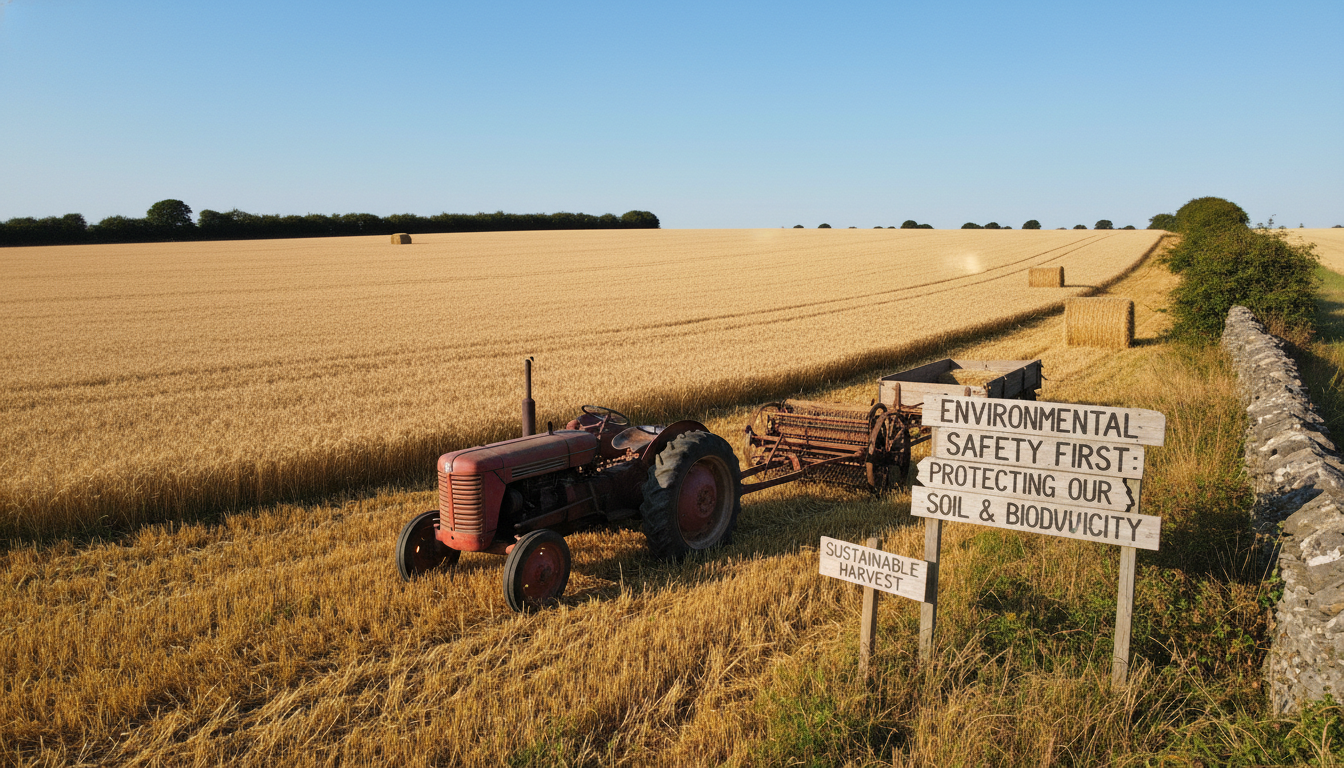
Campaigners Demand Glyphosate Ban
Campaign groups intensified pressure on ministers and regulators this week to end the use of glyphosate as a pre harvest desiccant, arguing it should not be sprayed on crops close to cutting. Today, letters and briefings circulating among MPs have focused on harvest timing rather than total withdrawal, with campaigners seeking a clear rule that separates weed control from grain ripening. They contend that the practice makes public reassurance harder when residue debates flare and raises weedkiller health risks. Live discussions in farming regions have also highlighted procurement concerns for millers and brewers. An Update circulated to stakeholders set out a request for a UK wide restriction tied specifically to harvest operations.
Health Risks Highlighted
Campaigners have framed the dispute around food exposure and worker protection, calling for stronger controls on spraying during dry down. They point to the International Agency for Research on Cancer classification of glyphosate as probably carcinogenic to humans, published by the WHO agency in 2015, as a reason for precaution when crops are treated close to cutting. Live policy reaction has been shaped by wider political pressure on Labour, reflected in BBC coverage of national election fallout at BBC report on Labour election losses. In the same briefing, they argue weedkiller health risks should be assessed in realistic harvest conditions, including dust and handling. Today, campaigners also cite concerns for on farm staff during grain intake. An Update note urged regulators to publish clearer residue monitoring summaries.
Comparisons to Global Restrictions
Supporters of tighter rules increasingly compare the UK debate with overseas decisions on the chemical and on desiccation practices. They argue that a glyphosate ban uk approach could start with harvest limits, while leaving some non food uses under review. In parliamentary briefings, campaigners have cited European Union level controversy, including the 2023 decision by the European Commission to renew approval for glyphosate for ten years, as evidence that national safeguards can still be strengthened within wider authorisations. A separate comparison paper linked the UK argument to broader governance debates, pointing readers to Trump’s July 4 Deadline Stirs the EU Trade Deal Pot as an example of how trade and standards discussions can collide. Live grain market chatter has focused on whether buyers would reward stricter harvest sourcing. An Update from campaigners called for faster public consultation.
The Future of UK Harvests Without Glyphosate
A shift away from pre harvest use would change harvest safety planning, especially in wet summers when drying windows shrink and uneven ripening can slow combines. Agronomists advising large arable businesses say timing and logistics would need recalibration, with more emphasis on variety choice, drilling dates, and mechanical strategies to reduce green stems. Today, some farm managers are already trialling alternative schedules to satisfy cautious end buyers, while insisting outputs must remain consistent. Coverage of how Westminster responds to high pressure policy choices is tracked in UK Supreme Court Backs Government in Legacy Case, which has been cited by commentators as a reminder that regulatory decisions can be legally contested. In live discussions with processors, one issue is whether contract specifications would adjust to acknowledge different moisture profiles. An Update from campaigners urged ministers to set a clear transition date.
Alternative Solutions and Their Viability
Proposals being circulated to retailers and ministers emphasise glyphosate alternatives that reduce reliance on late season spraying while keeping yields stable. Agronomy notes shared with MPs focus on integrated weed management, including stale seedbeds, spring cropping, competitive varieties, and targeted mechanical control, alongside tighter stewardship for any remaining herbicide uses. Today, campaigners argue that clearer rules would reward farms already investing in non chemical methods, while reducing controversy over residues in flour and beer. Live procurement teams at some buyers are also discussing documentation that proves a crop was not desiccated, creating potential market pull for compliant supply chains. An Update from campaigners urged the Food Standards Agency and the Health and Safety Executive to publish coordinated guidance on residues, handling dust, and enforcement expectations.