Politics
UK Supreme Court Backs Government in Legacy Case
The UK Supreme Court backed the government in a major legacy case, shaping victims’ rights, legal tactics, and the next legislative Update. Live Today.

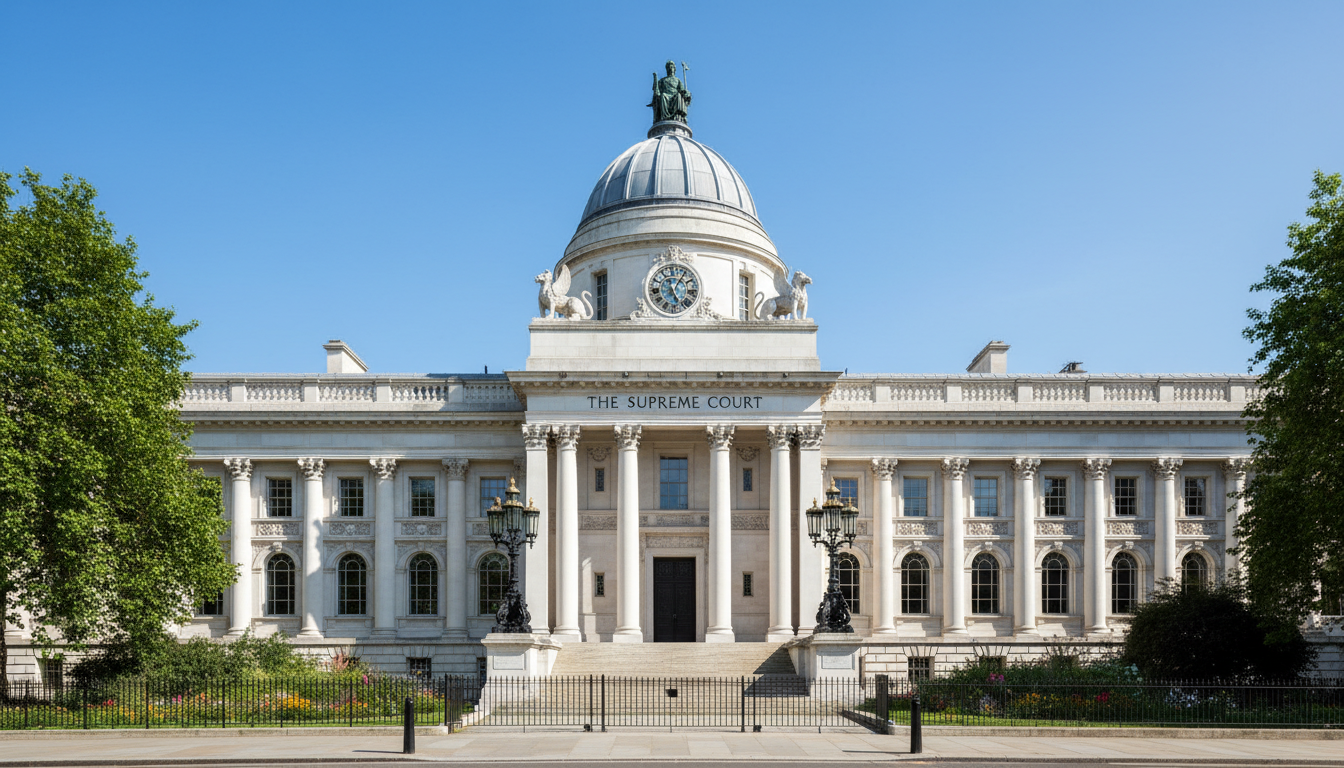
Supreme Court Ruling Details
The judgment landed after months of argument over how legacy claims should be handled in current law. In the middle of the hearing narrative, the UK Supreme Court found for ministers on key points about the disputed scheme’s legal basis and how challenges can be brought. Today, lawyers for both sides highlighted that the court’s reasoning turned on statutory interpretation rather than a re run of the underlying historic facts. Live coverage from court correspondents focused on what remedies remain open, and what falls outside the permitted routes. The Supreme Court’s written reasons make clear the limits of the specific challenge before it, while leaving room for other claims framed differently. An Update from government lawyers stressed administrative certainty for the next stages.
Impact on Victims’ Rights
Victims’ advocates responded by focusing on what the decision means for access to effective investigations and civil claims. The government said the ruling provides clarity for public bodies dealing with complex historic files, while campaigners argued the constraints may narrow practical pathways. In a key passage, the UK Supreme Court discussed how rights based arguments interact with Parliament’s choices, and that balance will shape future litigation. Today, legal observers noted that the supreme court of uk did not abolish all routes to challenge decisions, but it did reinforce strict thresholds. For a wider read on how institutions manage fast moving public pressure, see Tankless Victory Day Parade Signals Strain in Ukraine, and a separate Live angle is the political effect on confidence in redress processes. An Update from NGOs said they will test remaining avenues.
Government’s Legal Strategy
Ministers’ approach was to keep the dispute tightly focused on the statute and on deference to legislative design, rather than the merits of individual historic cases. In court filings, government lawyers argued that the uk supreme court ruling should avoid creating parallel obligations beyond what Parliament enacted, and the bench largely accepted that framing. Today, the government’s line was that predictable rules are necessary for agencies handling large volumes of legacy material and disclosure duties. Legal analysts following Live noted that this strategy also reduced the chance of fact intensive findings that could ripple into unrelated cases. For comparison on how oversight gaps can complicate accountability debates, an earlier London report is UK Defence Ministry Has No System to Track Civilian Harm From Military Actions Study. An Update from opposition lawyers said they will pivot to alternative grounds.
Reactions from Stakeholders
Political reaction split quickly along familiar lines, with ministers claiming vindication and critics warning about erosion of scrutiny. The government referenced the outcome as support for its plan to resolve long running disputes through a structured mechanism. Today, victims’ representatives said the uk supreme court of the uk left them fearing fewer effective options, and they called for renewed parliamentary pressure. Live commentary from practising solicitors centred on how the judgment will be read by lower courts, especially on permission stages and time limits. A parallel Update emerged from parliament petition traffic, where rights related proposals continue to circulate; the UK Parliament petition page on Remove sentence reductions for guilty pleas in controlling and coercive cases shows how legal fairness debates are being framed. Stakeholders now wait for operational guidance.
Future Implications for Legislation
The immediate consequence is that ministers gain stronger footing to proceed with their preferred model, but Parliament will still face pressure to refine safeguards. The UK Supreme Court reasoning is likely to be cited whenever future amendments try to narrow review or redesign investigatory duties. Today, constitutional specialists said the uk supreme court ruling underscores that courts will police boundaries of statutory language, yet will not rewrite policy architecture on proportionality alone, including in Westminster committee rooms. Live discussion has also turned to whether fresh legislation could invite new human rights challenges if outcomes prove practically unfair in individual cases. The next Update will come from implementation, including how public bodies communicate decisions and how quickly alternative legal routes are tested. Political leaders are already positioning for scrutiny in upcoming committee sessions and floor debates.