Politics
Potholes dominate campaign talk ahead of council vote
As councils face polling week, potholes elections impact is shaping voter frustration, forcing candidates to detail fixes, budgets and timelines on roads.

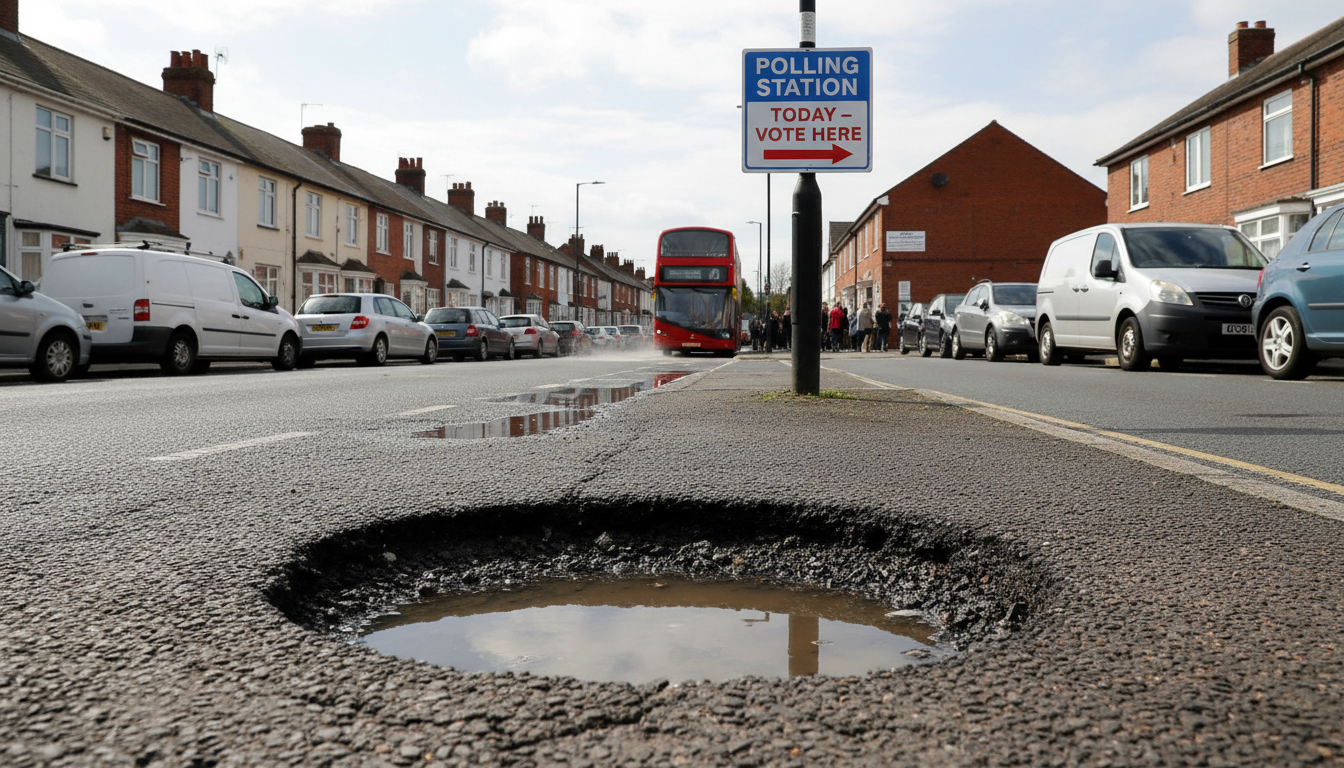
Potholes as a Major Voter Concern
Campaigners on doorsteps are hearing the same complaint repeated across estates and high streets as road conditions collide with daily routines. Today, drivers describe blown tyres, cyclists talk about near misses, and bus users blame jolts for delays, with each story feeding a sense that basic maintenance is slipping. In many wards, the potholes elections impact is now discussed in the same breath as council tax value for money, because residents can see defects on their own streets. Candidates are also receiving photos and location pins during Live walkabouts, turning informal grumbles into casework. An Update from local candidates often focuses less on national politics and more on which roads will be resurfaced first.
Impact on Local Elections This Week
With local elections this week, parties are tailoring messages to neighbourhood pain points rather than broad slogans, and potholes are a simple test of competence. Today, several councils are pointing voters to active maintenance pages and budget summaries as they try to show progress under pressure, and the potholes elections impact is being debated alongside wider council performance. Some candidates are borrowing language about delivery and accountability from other contests, including Troop cuts in Germany raise NATO diplomatic risks as a reminder that voters often punish perceived inaction. For a formal record of ministerial statements that can shape local funding arguments, see Written statements, UK Parliament, and Live canvass logs show road complaints arriving in clusters, not as isolated issues.
Possible Solutions to Road Problems
Councils and candidates are increasingly being pressed to explain not just intentions, but practical methods and sequencing that residents can track. Today, highways teams often triage by safety risk and traffic volume, then schedule larger resurfacing where repeated patching fails, a distinction officials have described in committee papers and public briefings. In public debates, the potholes elections impact is pushing candidates to talk about inspection frequency, response times, and whether to ring fence budgets for preventative work that slows deterioration. Some local authorities are also highlighting communications reforms, such as clearer defect reporting and repair confirmations, while critics argue transparency is not a substitute for capital funding, and for related political tensions on council governance, see Reform plan sparks row in Green voting councils UK. Live feedback loops can make small fixes visible quickly.
Historical Context of Pothole Complaints
Pothole complaints are not new, but this cycle is marked by voters treating them as a symbol of broader service reliability rather than a seasonal nuisance. Today, long term residents often compare street standards across administrations, while newer commuters frame the issue around safety and the cost of vehicle repairs. Local councils typically publish highways plans and meeting papers that show how priorities shift between reactive patching and planned resurfacing, and those documents are being cited more in hustings than in prior years, as the potholes elections impact has also encouraged residents associations to compile before and after photos and submit them as evidence in consultations. In Bromley, community groups have circulated ward digests with junction-by-junction photos taken over the past month. An Update circulated by community groups can spread ward by ward within hours. Live discussions at forums have become more technical, focusing on materials and durability.
Future Implications for Politicians
Whichever parties win seats, the electoral lesson is that visible infrastructure shapes trust faster than abstract pledges, especially when problems sit outside front doors. Today, successful candidates are likely to be judged on measurable delivery, such as fewer repeat repairs on the same stretch and clearer timelines for resurfacing programmes, and the potholes elections impact will also influence how leaders argue for funding settlements. Because they can point to direct voter feedback as a mandate for transport spending and better asset management, councillors may face stronger scrutiny on procurement choices and contractor performance, particularly when repairs fail quickly and residents keep receipts for damage. A regular Update from the cabinet member for highways can reduce suspicion if it names streets and deadlines. Live monitoring and published completion data may become standard expectations.