Tech
Cancer jab could cut treatment time to minutes
A new cancer jab could cut infusion appointments from hours to minutes, easing pressure on clinics and improving patient experience with faster delivery.

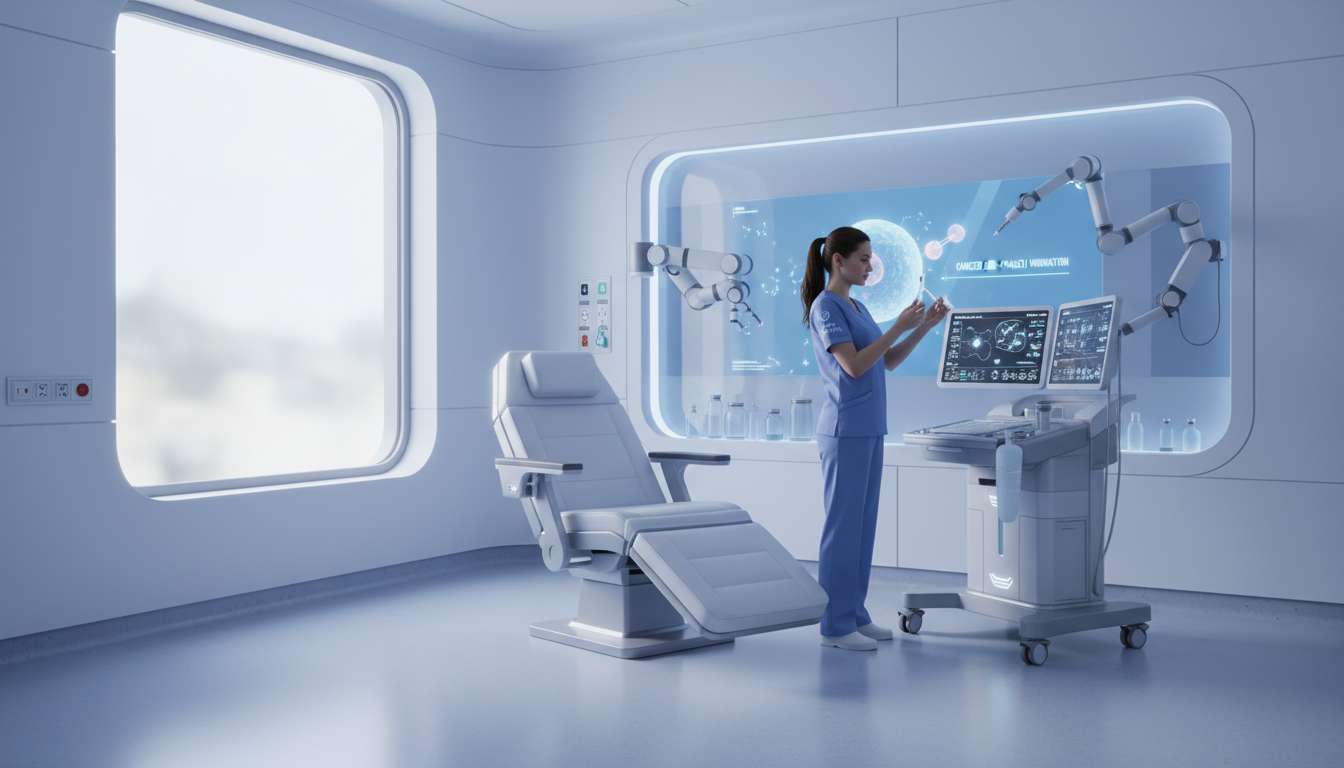
Cancer Treatment Time Revolutionised
Clinics across the UK are preparing for a practical shift in how some immunotherapy is delivered, as services move to shorten chair time and increase capacity. In that context, the cancer jab is being positioned as a way to replace certain intravenous infusions with an injection delivered in minutes, with rollout decisions tied to local protocols and clinician training. Today, hospital managers are prioritising faster pathways that still meet safety monitoring requirements. Live scheduling data used in day units is already being reviewed to identify where shorter appointments could unlock additional slots. An Update issued by NHS England on service planning has emphasised reducing avoidable time in treatment areas while maintaining robust observation and escalation processes.
How the New Jab Works
The move is centred on switching the same therapeutic antibody from an IV drip to a subcutaneous formulation, which is why the change can be measured in minutes rather than hours. Today, pharmacy and nursing teams are focusing on preparation steps, including dose checks and cold chain handling, because the delivery method changes workflow even when the active medicine is familiar. In a Live briefing on operational readiness, NHS England described how shorter administration can help standardise appointment lengths across busy units. For broader context on how large systems manage throughput when demand spikes, Bitcoin ETF Outflows Test BTC Rally Momentum Today offers a timely example of rapid capacity decision making under tight timelines. A related Update on safety processes emphasised that patients still require assessment and monitoring for reactions.
Impact on Patient Experience
For patients, the most immediate change is time spent in hospital and the disruption that comes with long infusion visits, particularly when transport and waiting areas are crowded. Clinicians note that shorter appointments can reduce fatigue linked to prolonged stays and lower the logistical burden on carers who coordinate travel and pick ups. Today, patient teams are also explaining how the cancer treatment jab alters the feel of a treatment day, including faster check in and fewer hours tethered to an infusion chair. In a Live context, trusts are updating patient information leaflets to clarify what stays the same, such as blood tests and symptom reporting. An Update to hospital communications is reinforcing that adverse effects can still occur and must be reported promptly to oncology helplines.
Healthcare System Benefits
From a system angle, the key issue is throughput, because long infusion times constrain day unit capacity and create bottlenecks that ripple into diagnostics and follow up clinics. Today, managers are modelling whether faster administration can cut waiting lists for certain immunotherapy drug appointments without adding extra chairs or extending hours. NHS England has linked efficiency gains to better use of staff time, since nursing supervision can be redistributed when injections replace drips. For a separate view on how digital tools can speed up onboarding and standardise processes, TechCrunch coverage of Doordash onboarding tools shows how workflow redesign can translate into capacity gains. A Live operational focus has also included ensuring electronic prescribing and appointment templates reflect the new pathway. An Update on local governance is ensuring audit trails remain clear.
Future of Cancer Treatments
What comes next is a broader push to make treatment delivery more flexible, with hospitals weighing which regimens can move closer to home while keeping specialist oversight. Today, senior clinicians are framing the shift as part of a larger trend toward shorter visits and more predictable scheduling, rather than a standalone breakthrough. Within that direction, the cancer jab is being discussed alongside other route of administration changes, including additional subcutaneous options where evidence supports equivalence. Will AI make opinion polls more accurate in 2026? has also highlighted how decision systems can shape public understanding, and an Update to patient messaging is expected as more clinics adopt the new pathway. A Live emphasis in clinical governance meetings remains on eligibility criteria and consistent documentation, because rapid delivery must not weaken checks for contraindications.