Business
New fuel plans let airlines pre-cancel UK flights
UK Airlines face fuel shortages and new rules allowing early flight cancellations, with passenger rights and government oversight shaping UK summer travel plans.

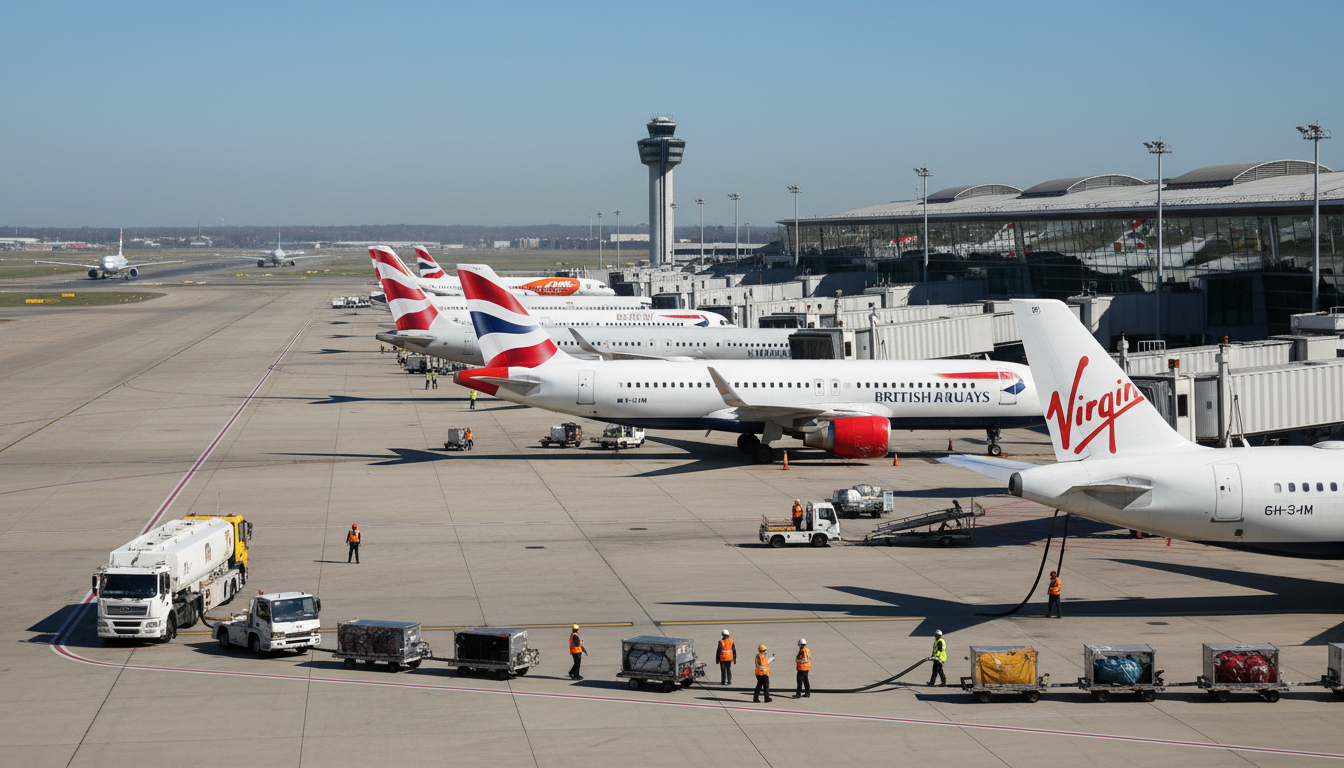
UK Airlines Adjust Policies Amidst Fuel Crisis
Airlines are moving to cancel some flights earlier when fuel supply looks uncertain, rather than waiting for disruptions at the gate. The new approach is meant to give passengers clearer notice and help airports plan staffing and slot usage. In Live briefings to investors, executives have described the shift as operational triage that prioritises aircraft rotation and crew legality. UK Airlines say that making decisions earlier can reduce knock on delays across a network when fuel delivery is constrained. Today, travel agents are also asking carriers to publish clearer rebooking rules that match each route and fare type. The immediate result is a more deliberate schedule, with fewer last minute surprises for some travellers at Heathrow and Gatwick.
Impact on Summer Travel Plans
For UK summer travel, the practical effect is that customers may see flight cancellations announced days ahead, even when the airport appears calm. That forward notice can cut costs for passengers who can adjust hotels or rail connections quickly. In an Update circulated by major operators to trade bodies, airlines framed the change as protecting peak day capacity for essential rotations. A separate, unrelated regional snapshot of shifting travel demand appears in Troop cuts in Germany raise NATO diplomatic risks, which analysts sometimes use to illustrate how fast external events can reshape bookings. Today, airports are urging passengers to monitor carrier apps and to confirm baggage rules after any schedule change. Live tracking boards may still show normal operations until the formal cancellation notice is issued, including on peak Saturdays in July.
Government’s Role in Managing Shortages
Ministers are being pressed to show how fuel resilience is monitored and which contingency measures exist if deliveries tighten around major hubs. Airlines and airports want clear guidance on prioritisation, especially where supply constraints could force rapid schedule reductions. An Update from industry logistics teams points to broader efforts to open and diversify distribution networks, such as Supply Chain Dive coverage of Amazon opening logistics network. UK Airlines argue that government coordination matters because fuel shortages can cascade into ATC delays, crew positioning problems, and missed maintenance slots. Live communications between departments and operators are increasingly treated as a safety and consumer protection issue, not only a commercial one, particularly at Heathrow.
Passenger Rights in Light of Cancellations
When flight cancellations happen, carriers still have legal duties on refunds, rerouting, and care, even if the disruption is tied to fuel access rather than weather. In the UK, aviation lawyers regularly point passengers to the Civil Aviation Authority guidance, and complaints often hinge on how much notice was given and what alternatives were offered. A related consumer politics context appears in Reform plan sparks row in Green voting councils UK, which shows how quickly public pressure can build when services change without clear accountability. Today, customer service teams are being trained to document decisions and provide written explanations for rebooking options. Live chat transcripts and app notifications can become evidence in disputes, so passengers are being encouraged to keep records. An Update on compensation eligibility should be issued promptly whenever a route is removed from the schedule, including during August departures.
Future Implications for Airline Operations
Over the coming months, airlines are likely to bake fuel risk into timetable design, with more conservative turn times and wider buffers for long haul rotations. Network planners are also revisiting which airports can be served reliably during tight supply periods, and which routes should be consolidated to preserve overall punctuality. Today, analysts say the commercial incentive is to avoid chaotic day of travel collapses that damage brand trust and drive refund costs, and UK Airlines are under pressure to demonstrate that planning in advance. Live operations centres are expected to rely more on predictive tools that combine supplier delivery data with aircraft and crew constraints. An Update to slot coordination practices may follow if regulators see repeated patterns of pre emptive cancellations at particular times. The broader takeaway is that resilience planning is becoming a core part of airline competition, not an afterthought.