Business
Prada launches Indian made sandals amid backlash
Prada sandals are now being made in India after backlash over cultural appropriation, as the label outlines new production steps and supplier checks.

Prada’s Response to Cultural Backlash
Prada moved quickly this week to address criticism that a recent sandal release borrowed too heavily from Indian craft without clear credit. In statements carried by major fashion desks Today, the company said it would change how it describes the product and how it documents artisanship, including clearer acknowledgements in marketing copy and retail training. The shift also reframed the story around Prada sandals as an item tied to specific maker communities, rather than a generic trend. A Live response cycle followed on social platforms, where the brand signalled that governance teams would review cultural references before runway to store execution. The company said it will issue a formal Update on process changes for future collections.
The Design and Production Shift
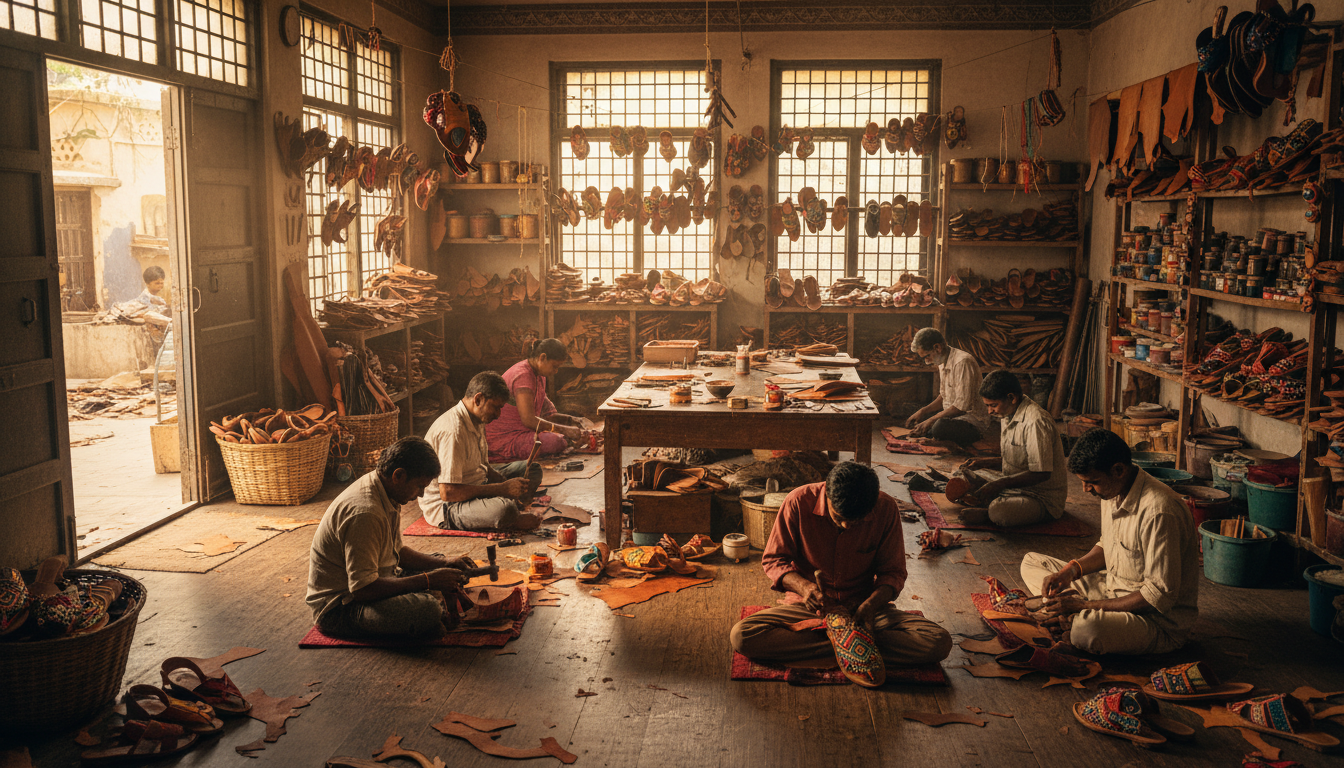
Prada also confirmed that new runs of the sandals will be made in India, a step meant to align production with the craft tradition at the centre of the backlash. In a midweek Update, the label said it would work with local manufacturers and apply the same compliance standards it uses across its supply chain, including audits and documentation for materials and labour. Industry observers framed the move as a rare Live example of a luxury house altering operational decisions in response to cultural pressure, not just messaging. Context around how brands handle power and credit in fashion has been debated in recent reporting, including The Guardian’s feature on shifts in fashion gatekeeping here. For broader context on rapid corporate repositioning, Bitcoin price steadies near $78K as oil risks rise shows how fast narratives can turn when scrutiny intensifies.
Impact on the Fashion Industry
The episode is being watched by executives who have treated cultural critique as a communications risk rather than a sourcing issue. Analysts Today noted that if a brand ties production location to heritage, competitors may face pressure to do the same when selling footwear, jewellery, or embroidery rooted in specific regions. The decision also lands as consumers compare product categories more closely, from prada leather sandals to accessories that project status through utility, such as a prada leather backpack. In London, advisers in retail and PR described a Live test for internal approval workflows and legal sign off on storytelling. Coverage of corporate accountability is also intersecting with wider business pressures in the UK, including London Councils Face £200m Social Care Overspend as Financial Pressures Deepen. A further Update from rival groups is expected as they reassess how attribution affects brand equity.
Consumer and Market Reactions
Reaction has split between shoppers who welcome the change and critics who argue that manufacturing moves must be paired with durable credit and revenue sharing. Retail staff told trade press Today that customer conversations have become more specific, with buyers asking where components are sourced and how artisans are recognised beyond a hangtag. The brand has not released sales figures, and commentators have avoided quantifying impact without audited disclosures, but they have pointed to the reputational stakes visible in Live sentiment shifts online. In parallel, buyers are comparing adjacent purchases, including whether a prada laptop bag purchase feels insulated from controversy or part of a broader trust question about the house. The market response will likely hinge on measurable actions, and a clear Update cadence that lets customers track what changed, when, and why.
Future Implications for Luxury Brands
For luxury groups, the key lesson is that cultural critique can create operational consequences, not just a brief storm in comments. Executives Today described this as a compliance problem that sits alongside quality control, because provenance claims are increasingly scrutinised like product safety claims. Indian fashion leaders have argued in interviews with international outlets that real partnership involves credit, contracts, and predictable orders, and the industry will judge outcomes on those points rather than slogans. Brands may also adapt by documenting design lineage earlier in the process and building approval gates that function under Live scrutiny, especially when global campaigns amplify local concerns. If Prada follows through with transparent supplier naming where contracts allow, it could become a template for future response playbooks. The next Update will be whether peers adopt similar production realignments before controversy forces their hand.