Latest News
Airlines Cut Fares to Win Back Wary Travellers
Airline fare reductions are spreading across Europe as Wizz Air flags softer demand. Here is what is driving pricing decisions and what comes next.

Wizz Air’s New Fare Strategy
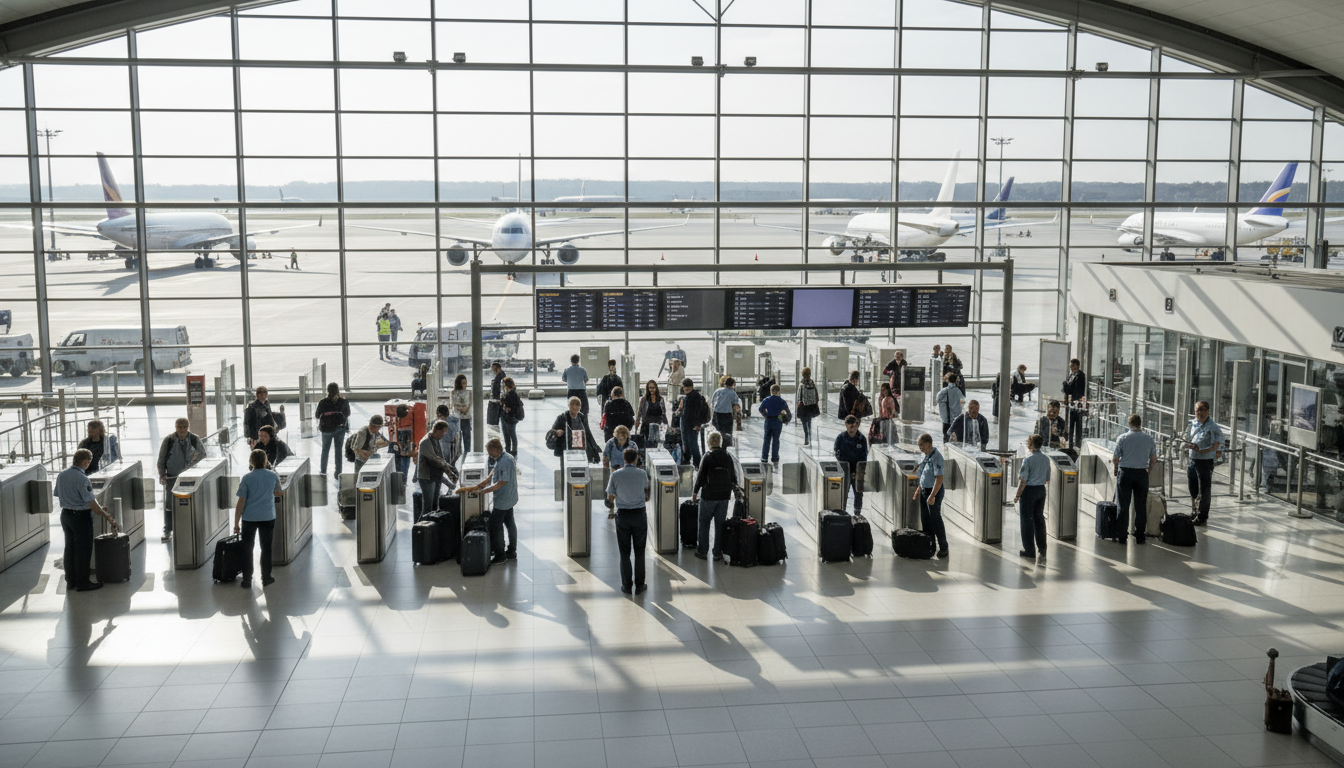
Carriers are moving quickly as booking patterns soften across key European routes. Executives at Wizz Air have framed the latest pricing push as a direct response to hesitant customers and competitive pressure. The approach centres on airline fare reductions that target short booking windows without committing to permanent base fare cuts. In a Live trading environment, management said price remains the lever that can move demand fastest, and an Update to revenue guidance can follow if volumes recover. Analysts at Barclays said in a recent note that low cost airlines often protect load factors first, then rebuild unit revenues later. Today, fare calendars are being adjusted route by route as forward demand signals change.
Jet Fuel Costs Impact Travel Industry
Price decisions are also being shaped by jet fuel costs, which remain a dominant variable for airline margins. When fuel is less volatile, carriers can experiment with tactical promotions and still manage risk. A separate Live driver is capacity, because adding seats while demand is uneven can force discounting across the travel industry. Market participants monitor energy benchmarks and refining spreads for near term signals, and Bitcoin price steadies near $78K as oil risks rise offers context on how other markets react to shifting commodity narratives, while an Update in oil prices can quickly feed into fare sales. Today, finance desks are watching fuel hedges and spot exposure closely.
Passenger Trends and Travel Hesitancy
Airlines are reading demand through booking curves, search volumes, and cancellation rates rather than waiting for monthly data releases. Executives have described travellers as more price sensitive, with families delaying commitments and business passengers consolidating trips. In the middle of these shifts, airline fare reductions are being used to keep planes full while protecting ancillary revenue such as bags and seat selection. For wider context on how public budgets and cost pressure shape consumer behaviour, RMBT Enters Portugal’s Digital Economy Discussion Around Tokenized Infrastructure is a related example, and an Update from operations teams often arrives daily as Live dashboards track load factors against last year on comparable weeks. Today, carriers are targeting city break traffic that can be stimulated quickly.
Comparative Strategies by European Airlines
Across Europe, airlines are choosing different tools to defend market share while avoiding a full fare war. Network carriers often lean on loyalty programmes and bundled offers, while low cost rivals focus on headline pricing and frequency. Industry briefings cited by the International Air Transport Association have emphasised that pricing power is strongest where capacity is disciplined, and weaker where multiple carriers overlap on leisure routes. For a separate example of how city level cost pressures can reshape choices, London Councils Face £200m Social Care Overspend as Financial Pressures Deepen sits within that competitive frame, where airline fare reductions can be time boxed to specific travel weeks, limiting damage to average yield. The latest Live competitive mapping shows carriers rotating promotions across bases to avoid direct clashes. Today, the strongest pricing is still seen on constrained airport slots.
Future Prospects for Airline Industry
The near term outlook depends on whether demand firms up before peak travel weeks are fully priced. Wizz Air has signalled that it will keep adjusting fares as visibility improves, and investors will watch for an Update in unit revenue trends during upcoming results commentary. In Live market terms, the key question is whether promotions translate into sustained passenger volumes or only pull demand forward from later months. Airlines will also weigh fleet utilisation, staffing resilience, and disruption costs when setting schedules. The European aviation framework set out by the European Union Aviation Safety Agency shapes operational constraints, and carriers must balance compliance with commercial flexibility. Today, management teams are trying to protect cash generation while keeping fares attractive enough to rebuild confidence.