Politics
UK Weighs Tougher Social Rules for Under-16s
UK ministers push social media restrictions for under-16s, weighing age checks, curfews, and penalties for platforms as Parliament scrutiny begins.

Government’s Proposed Restrictions Explained
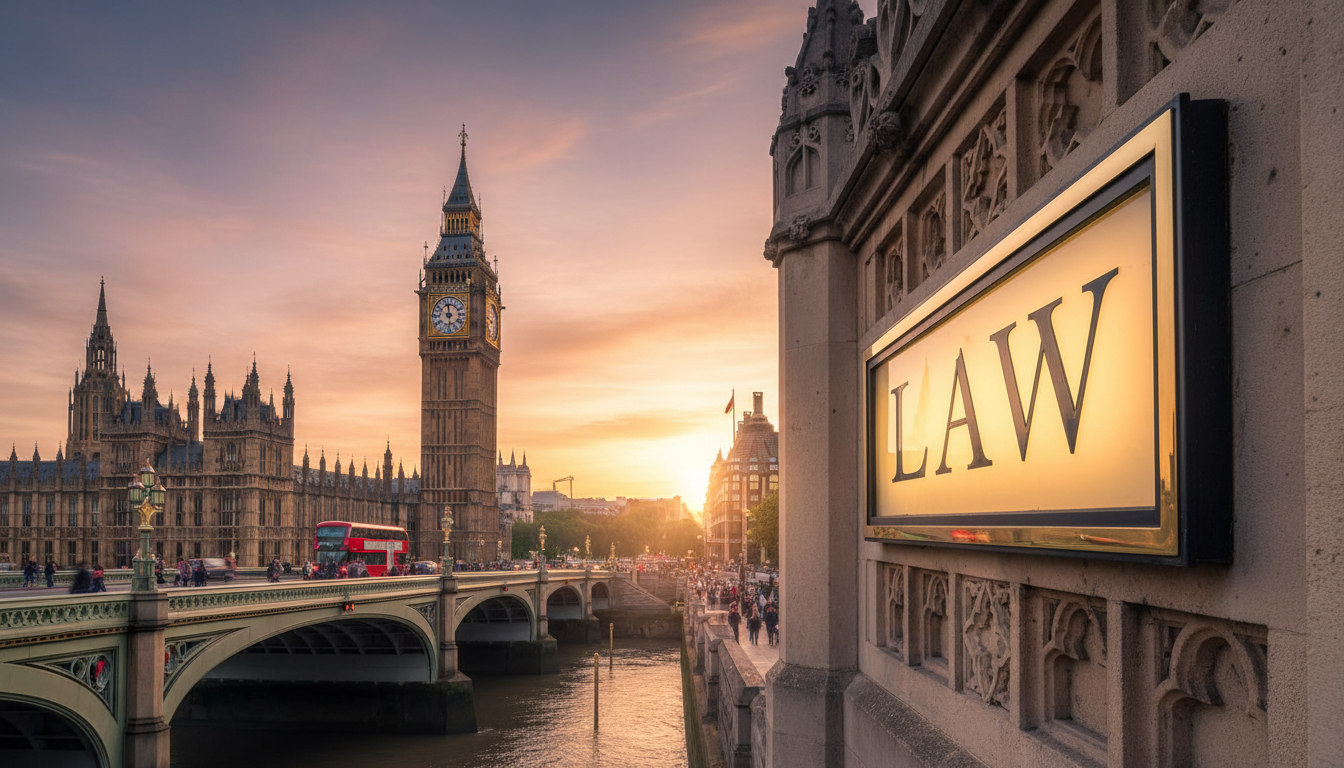
Ministers are preparing a package aimed at tightening how under-16s use major apps, with an emphasis on enforcement rather than an outright social media ban. In remarks carried by Reuters, a minister said the direction of travel is toward stronger age assurance and clearer duties on services that host feeds, messaging, and short video. The measures would add practical barriers to late night access and require faster action when minors are exposed to harmful material, without removing adults’ access. Today, officials also indicated that guidance could be paired with new penalties for repeat failures. The next Live parliamentary timetable is still forming, and an Update is expected alongside further departmental statements.
Understanding the Motivation Behind the Law
The policy push is being framed as child safety legislation, with ministers citing concerns about compulsive design and exposure to harmful content. A key plank is social media restrictions that move beyond current user reported controls and shift responsibility to platforms through compliance standards. In the Commons, ministers are expected to point to the Online Safety regime and argue that age assurance needs to work in practice, not just on paper. Today, officials have also referenced international comparisons, including china social media restrictions, to show different models of curbs for young users, and readers can track the UK Parliament Order Paper listing for the latest parliamentary papers and scheduling. Live briefings are likely to drive further Update statements.
Potential Impact on Social Media Platforms
Platform operators are now assessing how any social media age restrictions would be audited and what technical standard would satisfy regulators. The government is expected to focus on measurable compliance, including age estimation or verification, risk assessments, and changes to recommendation systems for accounts identified as under-16. Executives have privately warned that different approaches across jurisdictions raise costs, but any claim about financial impact will depend on what is written into law. Today, regulatory lawyers also noted that penalties could hinge on whether a service can evidence effective controls for minors at scale, not just offer settings, with wider context on tech governance debates in the capital available via London debate on ethics and public spending. Live compliance testing could become the central Update once draft clauses appear.
Public and Industry Reactions to the Proposal
Parent groups and child safety campaigners have welcomed firmer enforcement language, while stressing that real age checks must be privacy preserving. Industry bodies have urged clarity on acceptable methods, arguing that blunt requirements could exclude some users or push young people to less regulated services. Ministers have indicated they want the discussion to avoid a binary fight over a social media ban, and instead focus on practical age restrictions for social media that can be proved to work. Today, MPs across parties are expected to raise concerns about whether small platforms can comply, and whether app stores should be brought into scope. A separate Live thread of debate is likely to centre on what sanctions would apply and how often the government would publish an Update on compliance outcomes.
Next Steps for the Parliamentary Process
The next phase is expected to involve drafting, committee scrutiny, and consultations on enforcement thresholds, with ministers seeking cross party momentum before final votes. Reuters reported that the government is exploring options that restrict under-16 access even if it stops short of a full ban, and that framing is likely to shape the legislation’s opening clauses. Any final text will need to specify how regulators verify compliance, how appeals work, and what evidence is required when platforms claim progress. Today, officials also signalled that timelines will depend on parliamentary capacity and competing bills, including committee slots expected to be set in Westminster. As the process moves, Live coverage will track amendments around age assurance and penalties, with each ministerial statement treated as an Update that can shift expectations for passage.