Politics
Hereditary peers’ final vote ends Lords era now
Parliament votes to end hereditary peers house of lords seats, closing a 700-year chapter and reshaping the chamber as reforms accelerate nationwide.

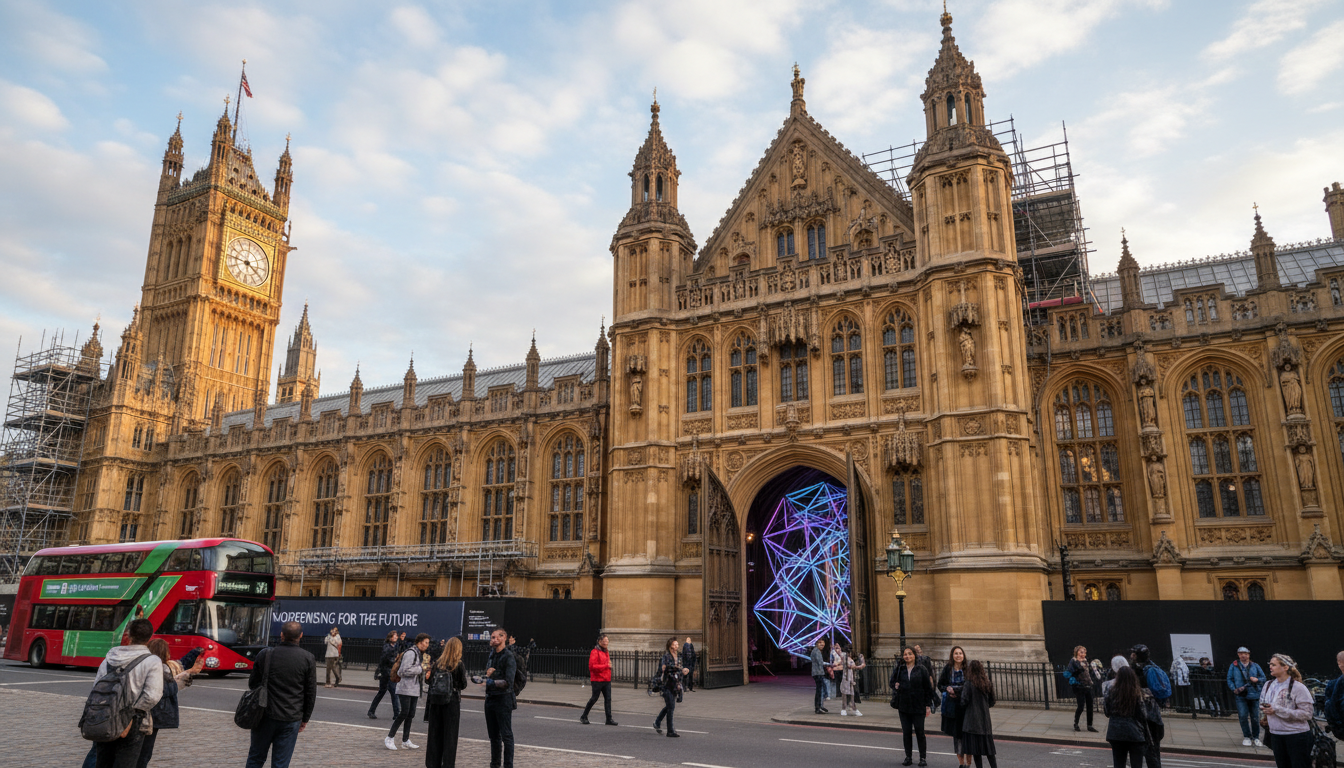
Historic Vote in Parliament
MPs and peers moved quickly through a packed timetable Today as legislation to end the remaining hereditary seats reached its decisive stage. Ministers framed the move as a clean break with an arrangement that has survived centuries, while opposition figures pressed for clarity on timing and transition. In the chamber, hereditary peers house of lords arrangements were cited repeatedly as the most visible symbol of an unfinished settlement since the 1999 changes, with speakers calling the moment a final reckoning rather than a technical tweak. Live lines from Westminster reflected tight management of amendments, and clerks prepared for immediate procedural steps once the division was called. The result set the tone for the next phase of constitutional debate.
Significance of the Reform
The government argued that removing hereditary places is about democratic legitimacy and a clearer appointments culture, not about punishing individuals. A minister said the point is to stop access being tied to lineage and to align membership with public service standards that can be explained to voters Today. The Bill was presented as a stepping stone within House of Lords reform, with officials stressing that the chamber’s work will continue uninterrupted. A separate Update from parliamentary staff briefings, which also cited the UK Parliament’s explainer on Parliamentary privilege, focused on how committees will be rebalanced once the hereditary cohort exits. It was cited by aides as relevant to how robust debate is protected during rapid constitutional change.
Reactions from Political Figures
Frontbench speakers kept their statements tightly focused, but the tone varied sharply across parties as Live coverage tracked reactions in real time. Government figures said ending hereditary peers in house of lords is a credibility issue, insisting that modern lawmaking must not hinge on inherited entitlement. Several Conservatives accepted change in principle yet warned against what they called piecemeal engineering without a broader settlement, while some crossbench voices urged safeguards for expertise and independence. For wider perspective on contentious decision making in Westminster, readers also looked to Supreme Court curbs race use in electoral maps as an example of how institutional redesign can reshape legitimacy debates, and an Update from party offices highlighted a parallel political message about restoring trust in institutions. Critics argued that any new appointments rules should be published alongside the legislation. The chamber then moved to the next procedural steps.
Impact on the House of Lords
Administratively, the impact will land first on committee rosters, speaking lists, and informal networks that have depended on long tenures. Officials involved in business planning briefed members that the redistribution of places will be managed through standing orders and party balance conventions, with a further Update expected after the next scheduling meeting. The debate also revived arguments about whether the Lords should shrink, and how appointments should be vetted in a way that is transparent to the public Today. Supporters of the change said the reform makes it easier to defend the house of lords uk as a revising chamber that complements the Commons rather than rivaling it. For context on how political fallout can echo beyond one vote, discussions about confidence and accountability referenced Starmer blocks inquiry call, but fallout remains. Day to day legislative scrutiny is expected to continue.
Future of the British Parliament
The immediate question after the vote is what ministers put on the reform track next, and how quickly they attempt the next stage. While the Bill targets only inherited seats, cabinet statements signalled that further proposals could cover appointments rules, chamber size, and stronger standards enforcement. In the debate, hereditary peers house of lords references were used to argue that the public wants lines of accountability that are simple to explain, particularly during high pressure legislative moments. Live expectations in Westminster are that any wider package will be shaped by parliamentary time and the political appetite for complex negotiations across parties. In Westminster, an Update from procedural watchers also flagged the importance of protecting scrutiny while accelerating reform, so that changes do not weaken checks on executive power. For now, the abolition vote has reset the baseline for how the second chamber justifies its authority.