Business
Airlines Introduce Fuel Surcharges as Rising Costs Push UK Prices to Three Year High

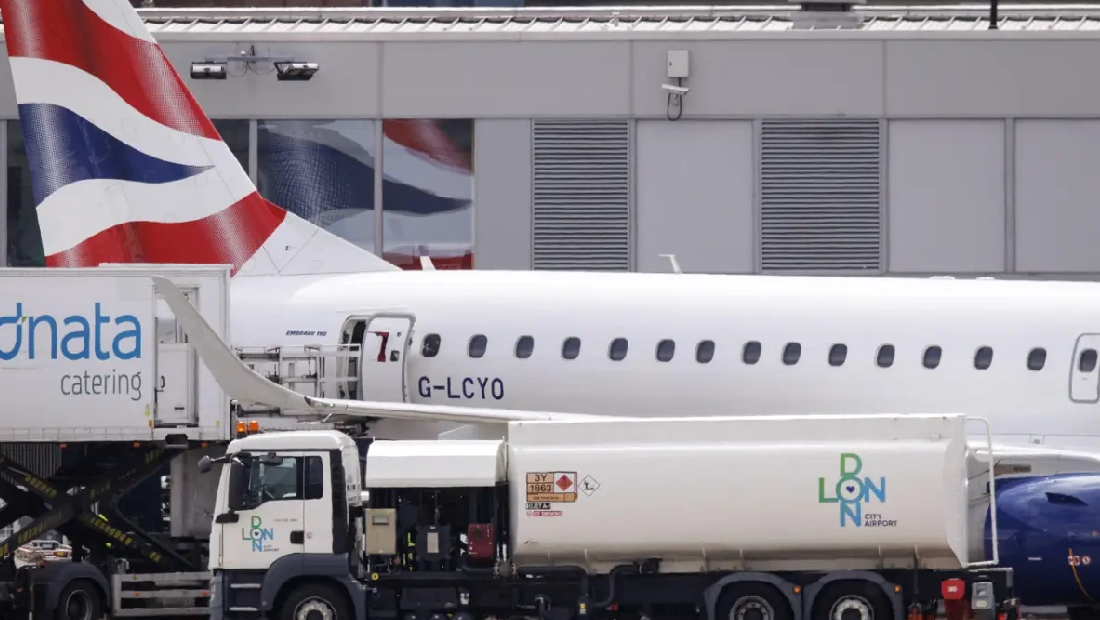
Airlines and major service sector companies across the United Kingdom are increasingly passing rising operational costs onto consumers through fuel surcharges, as new data highlights a sharp acceleration in price increases driven by global economic pressures. The shift comes amid mounting inflation linked to energy markets and geopolitical tensions, with businesses warning that higher fuel bills and wage demands are reshaping pricing strategies across multiple industries.
A recent survey conducted by S&P Global reveals that companies raised prices in April at the fastest pace seen in more than three years, reflecting a broad based surge in input costs. Nearly six in ten firms reported rising expenses during the month, with fuel costs emerging as the dominant factor alongside increasing wages and more expensive raw materials such as metals and plastics. The findings point to a growing strain on businesses as they attempt to balance profitability with customer affordability in an increasingly volatile economic environment.
Within the aviation sector, major carriers are already adjusting their pricing models in response to these pressures. International Airlines Group, which owns British Airways, Iberia, Aer Lingus and Vueling, has indicated that it will implement pricing adjustments to reflect higher fuel expenses, even if these are not explicitly labelled as surcharges. Meanwhile, Virgin Atlantic has taken a more direct approach by introducing additional charges, including a £360 increase on business class tickets and smaller increases for economy passengers, as it grapples with the challenge of maintaining profitability in a high cost environment.
Industry analysts suggest that the rise in fuel surcharges is closely tied to broader global developments, including instability in oil markets and ongoing geopolitical tensions affecting supply chains. These pressures have led to higher transportation costs across the board, which in turn feed into the prices consumers pay for travel and other services. At the same time, businesses are also facing rising labour costs, with wage increases adding another layer of financial strain that is difficult to absorb without adjusting pricing structures.
The trend signals a wider shift in how companies respond to prolonged periods of economic pressure, with surcharges becoming an increasingly common tool for managing unpredictable costs. As inflationary forces continue to build across the service economy, passengers and consumers are likely to face higher prices in the months ahead, particularly in sectors heavily reliant on energy and global supply networks. The latest data underscores how deeply interconnected global events and domestic pricing have become, shaping everyday costs for households while forcing businesses to rethink their financial strategies in real time.