Latest News
UK Workers Face Sharpest Tax Increase Among Developed Economies OECD Reports

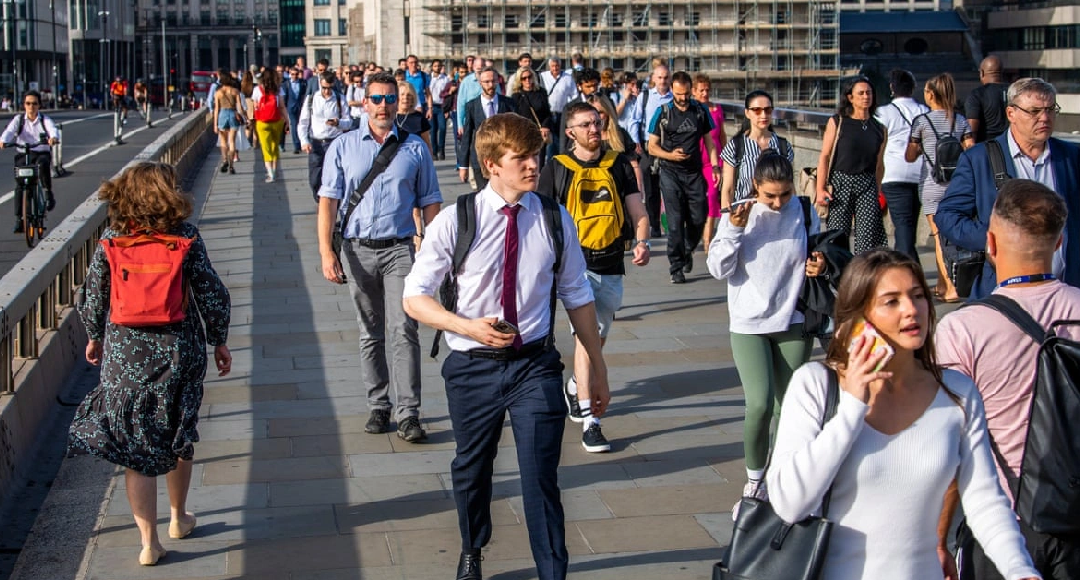
Workers in the United Kingdom have experienced the fastest rise in taxation among advanced economies, according to new findings from the Organisation for Economic Co operation and Development. The report highlights growing financial pressure on employees and businesses alike, as the overall tax burden on labour surged more sharply in Britain than in any of the 38 member nations over the past year.
At the centre of the analysis is the tax wedge a key economic indicator measuring the difference between what employers pay to hire staff and what workers actually receive in take home pay after taxes. The OECD found that the UK’s tax wedge rose by 2.45 percentage points in 2025, marking the steepest increase across developed economies. This rise reflects a broader trend in which the cost of employment is climbing while disposable income growth remains constrained.
A significant factor behind this increase is policy changes introduced under Chancellor Rachel Reeves, particularly adjustments to employer national insurance contributions announced in the 2024 autumn budget. These changes have effectively raised the cost of hiring, placing additional strain on businesses while indirectly affecting workers’ earnings. Alongside this, the phenomenon known as fiscal drag has further intensified the burden, as more workers are pulled into higher tax brackets without corresponding wage growth.
The OECD’s data also shows that while 24 countries recorded increases in their tax wedge last year, the UK stood out for the scale of its rise. In contrast 11 countries saw reductions and three remained unchanged, underscoring how Britain’s tax environment is diverging from some of its global peers. Economists warn that sustained increases of this magnitude could impact labour market incentives, business investment decisions and overall economic competitiveness.
The findings arrive at a politically sensitive moment, as the government faces mounting scrutiny over its economic strategy amid global uncertainties and domestic fiscal challenges. With living costs still a concern for many households, the sharp rise in taxation on work is likely to intensify debate around fairness, economic growth, and the balance between public revenue and individual financial wellbeing.