Politics
UK to Tighten Export Controls to Block Sanctions Evasion Linked to Russia

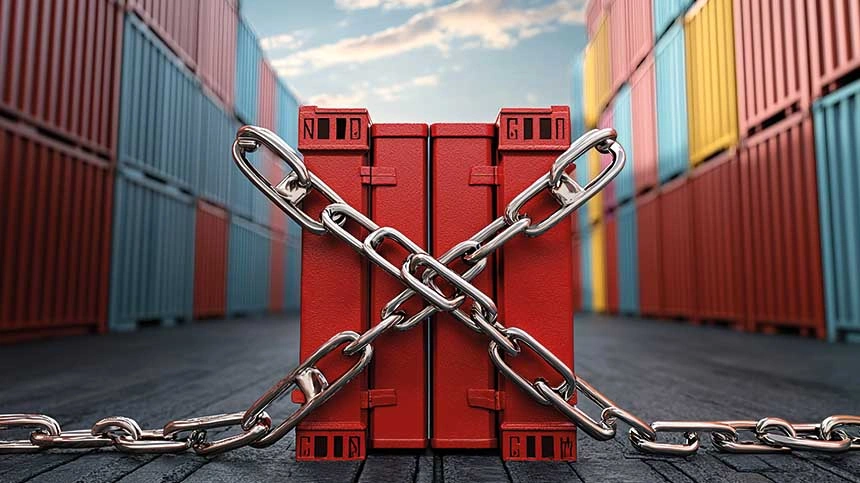
The United Kingdom government is preparing to introduce stricter export controls on domestic firms in an effort to prevent goods from indirectly reaching Russia and supporting its war effort in Ukraine. The move reflects growing concern that existing sanctions are being bypassed through third countries, allowing sensitive materials and technologies to flow into Russian supply chains despite international restrictions.
Under the proposed measures, British companies may be required to obtain special export licences when trading with countries suspected of acting as intermediaries for Russia. The new framework is designed to close loopholes that have enabled certain goods, including dual use technologies, to be rerouted through alternative markets before ultimately reaching Russian entities. Officials say the tougher checks will strengthen enforcement and ensure that UK exports do not contribute to military or industrial capabilities linked to the conflict.
The policy shift follows scrutiny over a previous export licence granted to a UK firm supplying machinery to an Armenian company allegedly connected to Russia’s defence sector. The controversy prompted Chris Bryant to order a formal review of the decision, highlighting gaps in oversight and raising questions about how effectively sanctions are being implemented. The case has become a focal point in the broader debate over export compliance and national security.
Concerns have also been raised in Parliament, with Liam Byrne, chair of the business select committee, warning about the risks posed by exporting equipment that could be repurposed for military use. Technologies such as carbon fibre machinery can have both civilian and defence applications, making them particularly sensitive in the context of sanctions enforcement. Lawmakers have called for greater vigilance to ensure such exports are not diverted into weapons production, including drones and missile systems.
The planned changes underscore the increasing complexity of enforcing sanctions in a globalised trade environment, where supply chains often span multiple jurisdictions. By tightening export licensing rules and increasing scrutiny of high risk destinations, the UK aims to reinforce its commitment to international sanctions while safeguarding its own industrial and security interests. As the conflict in Ukraine continues, policymakers are expected to maintain pressure on closing any remaining gaps in the sanctions regime.