Politics
Morgan McSweeney to Face MPs as Mandelson Vetting Row Deepens Pressure on Starmer Government

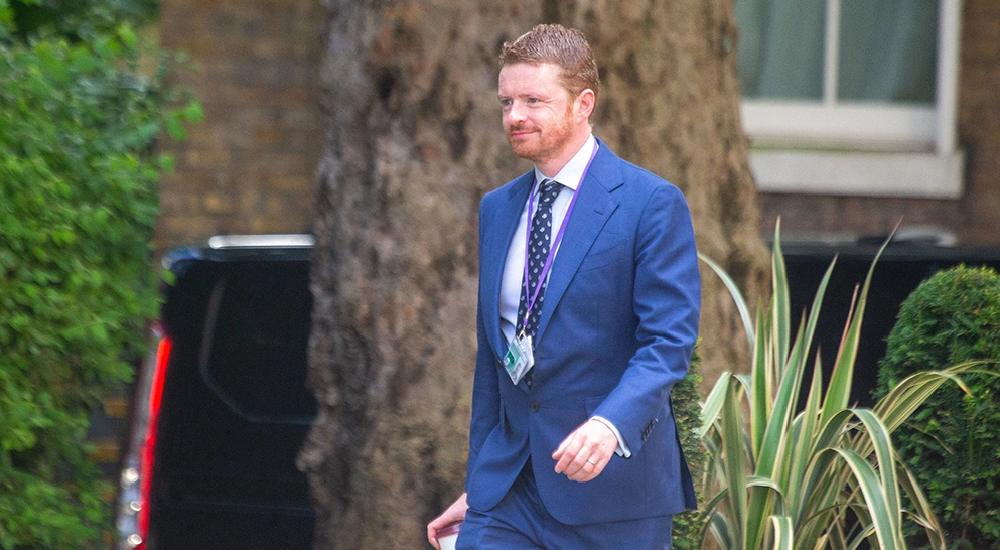
A significant political development is unfolding in the United Kingdom as Morgan McSweeney, former chief of staff to Keir Starmer, has been summoned to appear before a parliamentary committee in connection with the ongoing controversy surrounding the vetting of a senior diplomatic appointment. The decision marks a rare move by MPs to question a former Downing Street insider, highlighting the seriousness of the allegations and the growing political pressure on the current administration.
McSweeney is set to appear before the Foreign Affairs Select Committee, where he will be asked to respond to claims that Downing Street exerted undue influence on the civil service to approve the appointment of Peter Mandelson as the United Kingdom’s ambassador to Washington. The controversy has raised concerns about the independence of the civil service and the integrity of the appointment process for high level diplomatic roles, particularly those with strategic importance in international relations.
The decision to call McSweeney to testify is considered highly unusual, as chiefs of staff typically operate behind the scenes and are seldom required to give evidence before parliamentary committees, even after leaving their roles. His appearance is expected to provide MPs with a rare opportunity to scrutinize the internal workings of government decision making at the highest level. The session is likely to draw considerable political attention, given McSweeney’s influence during his time at the centre of government operations.
The committee is also seeking testimony from other senior officials who were involved in the process, including Philip Barton, the former permanent secretary at the Foreign Office, and Olly Robbins, who succeeded him earlier this year. Their involvement underscores the breadth of the inquiry as MPs attempt to piece together a clearer understanding of how the appointment process unfolded and whether established procedures were properly followed.
The ongoing dispute has added to the political challenges facing the government, with opposition figures and some members within the ruling party calling for greater transparency and accountability. As the investigation progresses, the outcome of the committee hearings could have wider implications for trust in public institutions and the balance of power between political leadership and the civil service. The case continues to develop as Parliament prepares for what could be a pivotal moment in the scrutiny of executive decision making.