Latest News
Albanian ambassador warns of rising stigma in UK amid political and media rhetoric

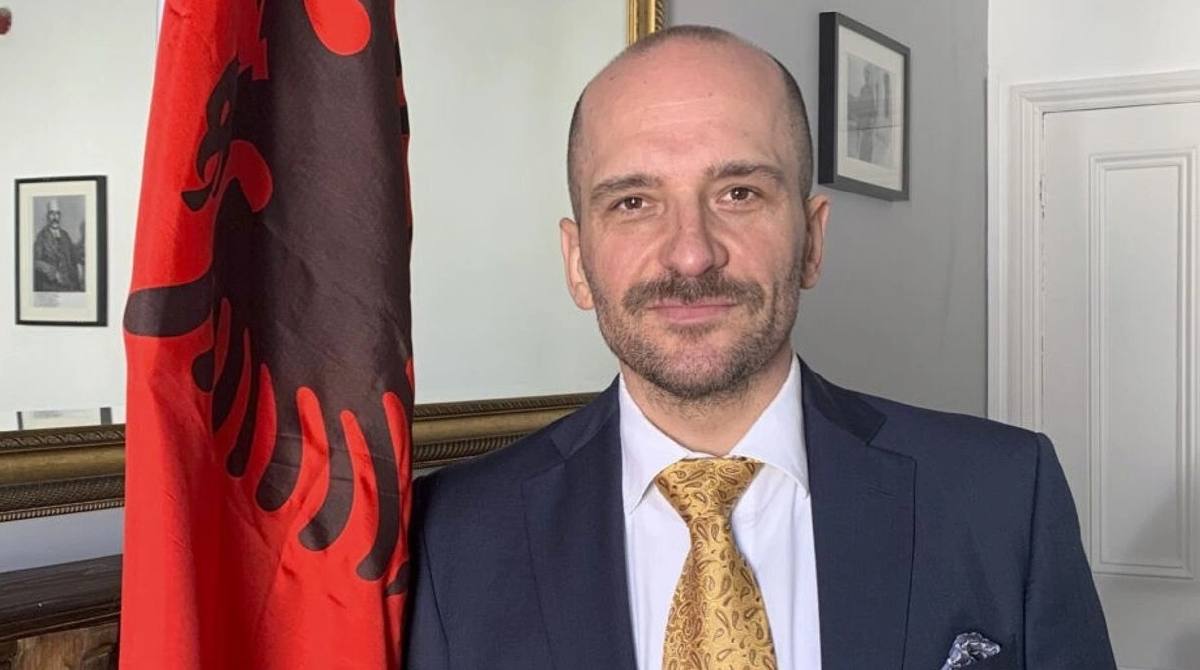
Uran Ferizi has raised concerns about the treatment of Albanians in Britain, warning that negative portrayals in political debate and media coverage are contributing to stigma in everyday life. In a strongly worded response, the ambassador said individuals from the Albanian community are facing difficulties in schools and workplaces as a result of being unfairly associated with broader immigration issues. His remarks come at a time when national discussions around migration and border control remain highly sensitive.
The ambassador criticised what he described as an ongoing focus on Albanians within parts of the political and media landscape, suggesting that such attention risks unfairly singling out an entire community. He also expressed concern over comments made in parliament by Shabana Mahmood, where references to Albanians were included in discussions about immigration challenges. According to Ferizi, highlighting a specific nationality rather than addressing behaviour or criminal activity can contribute to harmful generalisations.
Ferizi argued that this type of narrative creates unintended consequences for individuals who have no connection to wrongdoing, affecting their experiences in daily life. He noted that when political language focuses on nationality, it can influence public perception and lead to discrimination or misunderstanding. The ambassador emphasised the importance of maintaining balanced and responsible discourse, particularly when addressing complex issues such as migration and law enforcement.
The concerns raised reflect a broader debate in the UK about how immigration is discussed at both political and public levels. Government officials have defended the need to address specific challenges linked to migration, while critics argue that the language used can sometimes blur the line between policy discussion and community representation. This tension has become increasingly visible as policymakers attempt to respond to public concerns while also maintaining social cohesion.
The ambassador’s comments are likely to add to ongoing conversations about fairness, representation, and accountability in public discourse. As immigration continues to be a central political issue, the way communities are referenced and discussed remains under close scrutiny. The situation highlights the challenges faced by governments and public figures in addressing policy concerns without contributing to broader social divisions.