Politics
Tory reshuffle drops Mel Stride and Priti Patel
Tory reshuffle drops Mel Stride and Priti Patel, outlines reported shadow-role changes, flags conference priorities, and indicates Kemi Badenoch’s political direction.

Tory reshuffle: key changes to the shadow team
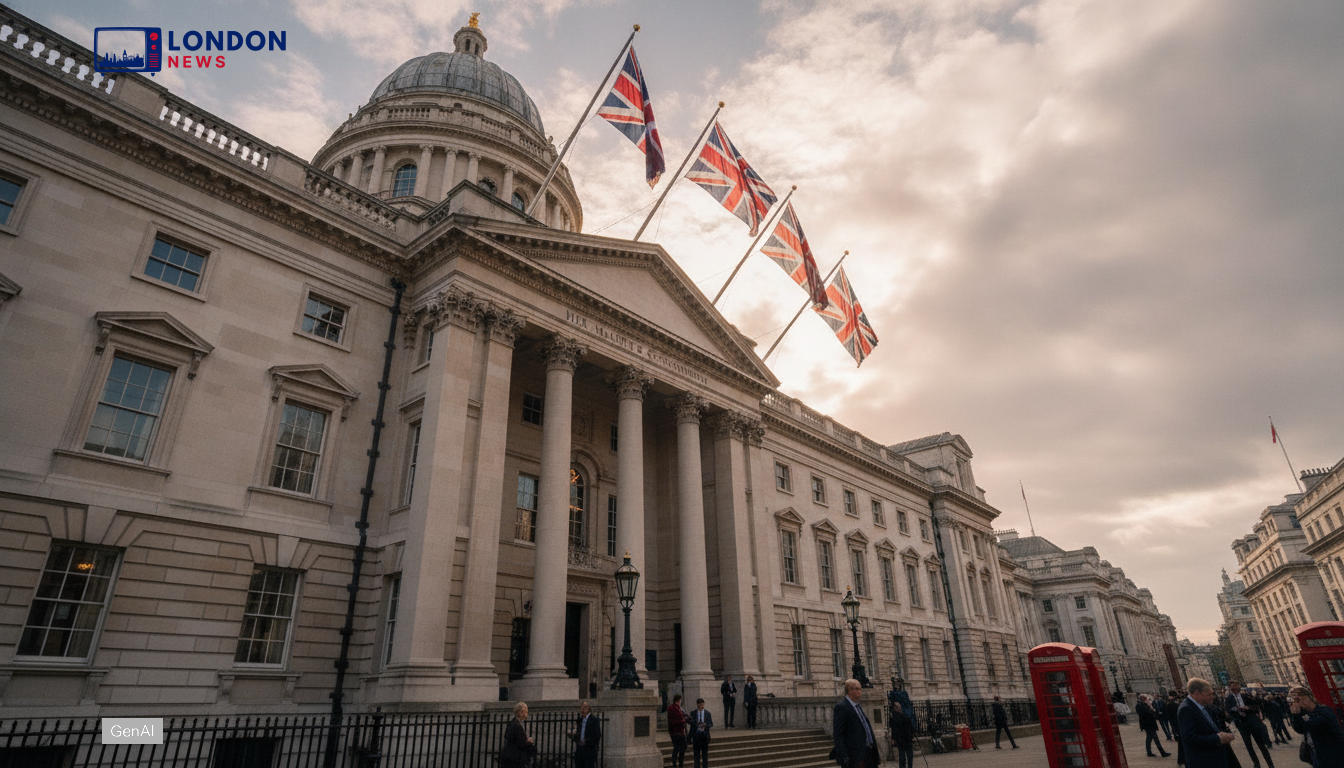
According to available reports, the Tory reshuffle may have removed Mel Stride and Priti Patel from the Conservative Party’s frontbench line up, reshaping who speaks for the opposition across major policy briefs. Both are senior, well known figures: Stride has served in prominent economic roles in recent years, while Patel previously held the Home Secretary job and has remained a prominent voice on policing and migration. Without citing a specific statement, the party’s rationale has been characterised by commentators as an effort to tighten message discipline ahead of the next Commons set pieces and the annual conference season. The updated shadow team is likely to be judged on clarity, media performance, and the ability to land consistent attacks on government policy.
The timing matters because the parliamentary calendar often compresses scrutiny into predictable moments. Prime Minister’s Questions, urgent questions, and select committee hearings can quickly expose whether a shadow line up has settled. For context on how political debate can be shaped by court tested policy changes elsewhere, see Portuguese immigration law: Court clears asylum decree, and conference programming also forces frontbenchers to deliver coordinated speeches that match the leader’s framing. The reshuffle may also change briefing responsibilities for broadcast rounds, which can reduce contradictory lines when multiple figures previously covered similar territory.
Why Mel Stride and Priti Patel were dropped
Party reshuffles typically blend performance management with strategic repositioning, according to political analysts. Removing well known names can signal a shift in emphasis, especially when the leadership wants fewer overlapping spokespeople. This Tory reshuffle may indicate an attempt to reassign economic and home affairs messaging to figures seen as more closely aligned with the current leadership’s priorities. It may also reflect internal party pressures, with MPs and activists often calling for clearer accountability and faster rebuttal lines. The leadership is likely to want the new team to look disciplined, avoid mixed signals, and deliver short, repeatable arguments across interviews.
There are also practical incentives that commonly shape changes to a shadow team, particularly during weeks when the Commons sits late and media bookings come at short notice. Frontbench roles can come with heavy workload demands, including late notice media bookings, rapid reaction statements, and detailed preparation for Commons exchanges. A reshuffle can allow the party to place policy specialists into higher visibility posts, while moving others away from portfolios that no longer fit the overall narrative. Voters may not track every personnel move, but they can notice inconsistent messages on taxation, public order, and migration. The credibility test is whether the new appointments produce clearer lines of attack and fewer internal contradictions.
New appointments and who now holds which briefs
The Conservative Party has not been quoted here with a full official list, so the details of which individual holds each brief should be treated as dependent on the party’s published announcements and the formal parliamentary record. Broadly, observers tend to focus on who becomes the main voice on the economy, which MP leads on home affairs themes such as policing and borders, and which spokespeople are tasked with public service scrutiny. To strengthen trust, the party’s announcements should be read alongside the formal record of shadow cabinet roles and the day to day evidence of who answers questions at the despatch box. The direction of travel is often clearest in the first fortnight, when spokespeople take early rounds of interviews and parliamentary set pieces.
Policy detail will matter as much as personnel in this Tory reshuffle cycle. If the party leans into economic competence, it will need clear positions on tax and spending, including how it would respond to the government’s fiscal events, and readers tracking that debate can compare the broader budget context in Can We Expect Higher Taxes in the Autumn Budget?. If the party elevates crime and justice messaging, it will face scrutiny on capacity and delivery, including prisons and sentencing, and related reporting on system pressures is covered in UK prison overcrowding: £110m plan to add cells.
Conference messaging and the immediate political impact
The immediate test of the new line up is the conference platform, where frontbenchers must show they can deliver a single story across different policy areas. This Conservative reshuffle is widely expected to reduce mixed signals by giving each major topic a clearer owner. Conference speeches are likely to focus on economic credibility, migration management, and public services, although specific priorities depend on what is set out by the leadership in public remarks and official conference materials. The party will also want spokespeople to avoid being pulled into side debates that dilute the conference message, especially during live media rounds where a misstep can dominate coverage.
Outside the party, opponents and backbenchers often treat reshuffles as signals about internal priorities and political tactics, particularly when conference season coincides with headline grabbing Commons exchanges. Parliament can quickly put a revised shadow team under pressure through urgent questions, committee appearances, and opposition day debates. Public engagement can also be channelled through petitions, which can surface issues that MPs then amplify, as in Launch a public inquiry into illegal migration in the UK. Any broader political impact is likely to harden once new spokespeople set out detailed policy lines.
What the Tory reshuffle means for UK politics next
Leadership changes matter because they shape how the opposition scrutinises government and how voters interpret competence and readiness. The Tory reshuffle appears intended to sharpen accountability by matching prominent figures to the issues where the party believes it can win arguments, including regulation, public order, and the economy. It can also raise expectations for discipline, because errors from high profile posts can undermine the broader strategy. Over the next parliamentary weeks, performance is likely to be measured in Commons exchanges, committee work, and whether the party can land clear messages without contradiction.
The longer term effect will depend on whether the reshaped frontbench sustains a consistent line while responding quickly to government initiatives, including the kind of rapid turnaround required ahead of Prime Minister’s Questions each week. If the party presents coherent positions on tax, migration, and public services, the change may be seen as a functional reset rather than an internal disruption. If messages fragment, the personnel moves may be judged as cosmetic. The new team now carries the burden of proving it can convert organisational change into political momentum and credible scrutiny, in a political environment where voters are quick to punish inconsistency.