Politics
Can We Expect Higher Taxes in the Autumn Budget?
Andy Burnham signals potential tax rises in the autumn Budget, stirring debate on fairness and growth in UK tax policy.

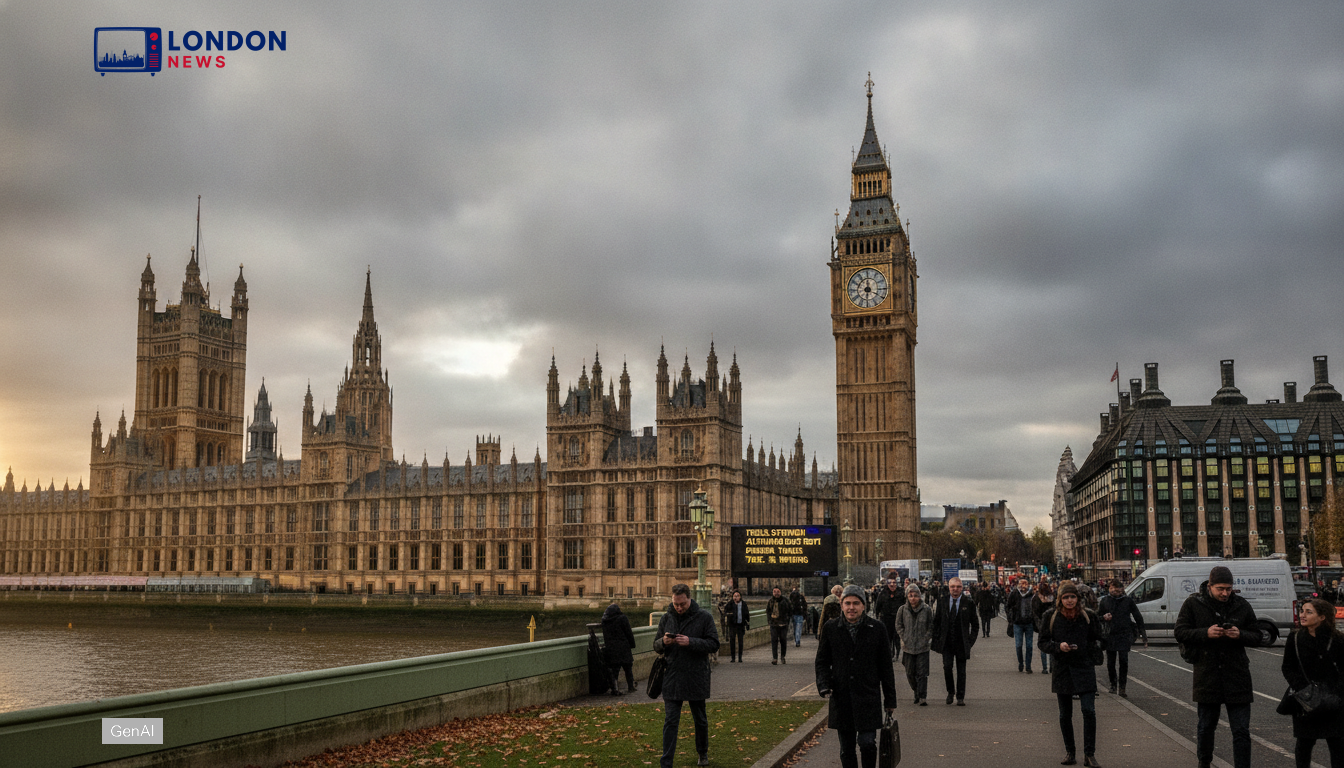
UK tax policy and Burnham’s autumn Budget hint
Andy Burnham is hinting at a stormy fiscal discussion as the ministers gear up for the autumn Budget. Reports suggest he hasn’t dismissed the idea of raising some funds. He’s painting it as a choice: boost public services or keep tax rates still. It’s all about household outcomes, not just political wrangling. According to the publisher, this is about proving whether Westminster can balance reform with fair budgeting while keeping confidence steady.
Economic pressures shaping tax talks
Economists lay the backdrop as a mix of dodgy productivity growth, tight departmental budgets, and towering debt interest. Burnham’s pointing out the need to shield core capacities in areas like transport and social care, where councils frequently cry funding woes. Past critiques, like those from the OECD, show this isn’t just a one-off hiccup.
Public responses and potential changes
Commentators paint the reaction as a mix of fiscal hawks wanting cuts and others demanding service guarantees. Business groups preach stability, while some want tax changes to tangibly hit waiting lists and infrastructure. Think tanks are leaning towards simplifying and closing reliefs over hiking rates. Yet, whispers persist that any tax talk needs a clear growth narrative to avoid a crisis of confidence.
Chancellor Healey’s looming role
Eyes are also on Chancellor John Healey as he shapes the boundaries. Observers hint at possible tweaks in thresholds or selective levies. Burnham’s piped up about giving local leaders certainty for better planning and dodging the stop-start project syndrome. It’s all about whether national promises can genuinely translate to local action.
The implications of a tax rise – growth or fairness?
If tax hikes hit the scene, their impact hinges on smart design and bolstering incentives, argue economists. Burnham’s lobbying for measures that shield the average Joe and expect the deep pockets to chip in. The trick is keeping ministers on their toes to justify each part of the plan. The danger, critics caution, is that fairness debates and relief tweaks could forever sideline more pressing issues like productivity.