Latest News
High Court dismisses challenge against Met Police use of live facial recognition in London

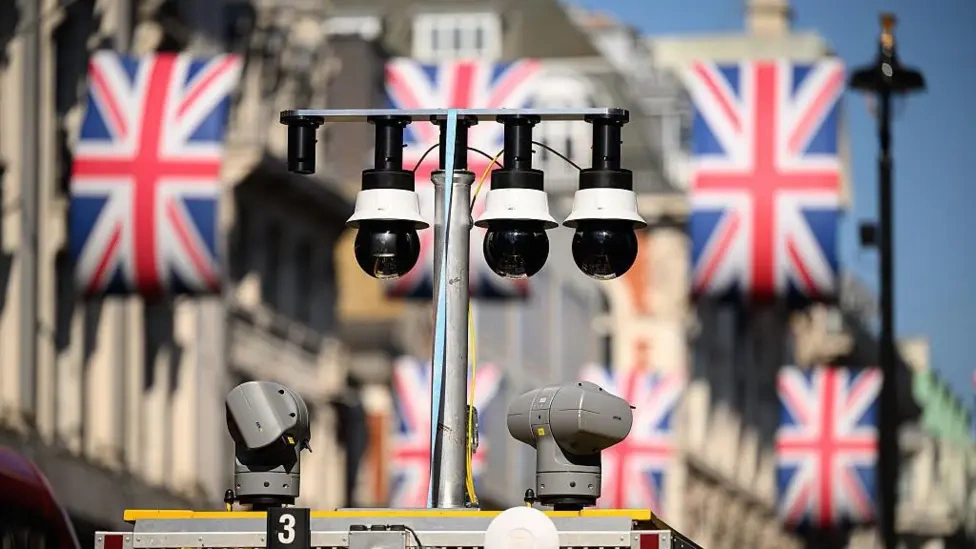
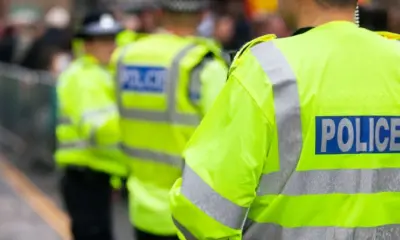
A High Court ruling has dismissed a legal challenge brought by privacy campaigners against the use of live facial recognition technology by the Metropolitan Police, allowing the force to continue deploying the system across the capital. The case had been closely watched due to ongoing concerns about surveillance, civil liberties, and the balance between public safety and personal privacy. The decision represents a significant moment in the broader debate over the use of advanced technology in policing within the United Kingdom.
The legal action was brought by youth worker Shaun Thompson alongside Silkie Carlo, director of the campaign group Big Brother Watch, who argued that the use of facial recognition could be applied in an arbitrary or discriminatory manner. Their claim focused on concerns about how individuals are identified and how data is processed, particularly in busy public areas where the technology has been trialled. The challenge aimed to impose stricter limits on how and when the system could be used by law enforcement authorities.
During proceedings, the Metropolitan Police defended its approach, stating that the deployment of live facial recognition is carried out within a lawful framework and is subject to clear operational guidelines. The force maintained that the technology is used to identify individuals on watchlists, including wanted suspects and vulnerable persons, with the goal of preventing crime and enhancing public safety. Officials also argued that safeguards are in place to ensure that the system operates proportionately and within existing legal standards.
Following the ruling, Metropolitan Police Commissioner Mark Rowley described the decision as an important outcome for policing, emphasising the role of technology in tackling crime and protecting communities. Supporters of the system argue that it provides law enforcement with an effective tool to respond to threats in real time, particularly in high traffic areas such as central London, where large crowds can make traditional identification methods more difficult.
Despite the court’s decision, concerns over privacy and surveillance are expected to continue, with campaign groups likely to maintain pressure on authorities regarding transparency and accountability. The use of facial recognition technology remains a contentious issue, with ongoing debate about its ethical implications and long term impact on civil liberties. As the Metropolitan Police continues its rollout of the system, the discussion around how such tools should be regulated is likely to remain a key topic in public and legal discourse.