Latest News
Home Office faces potential legal action over asylum families housed in single hotel rooms

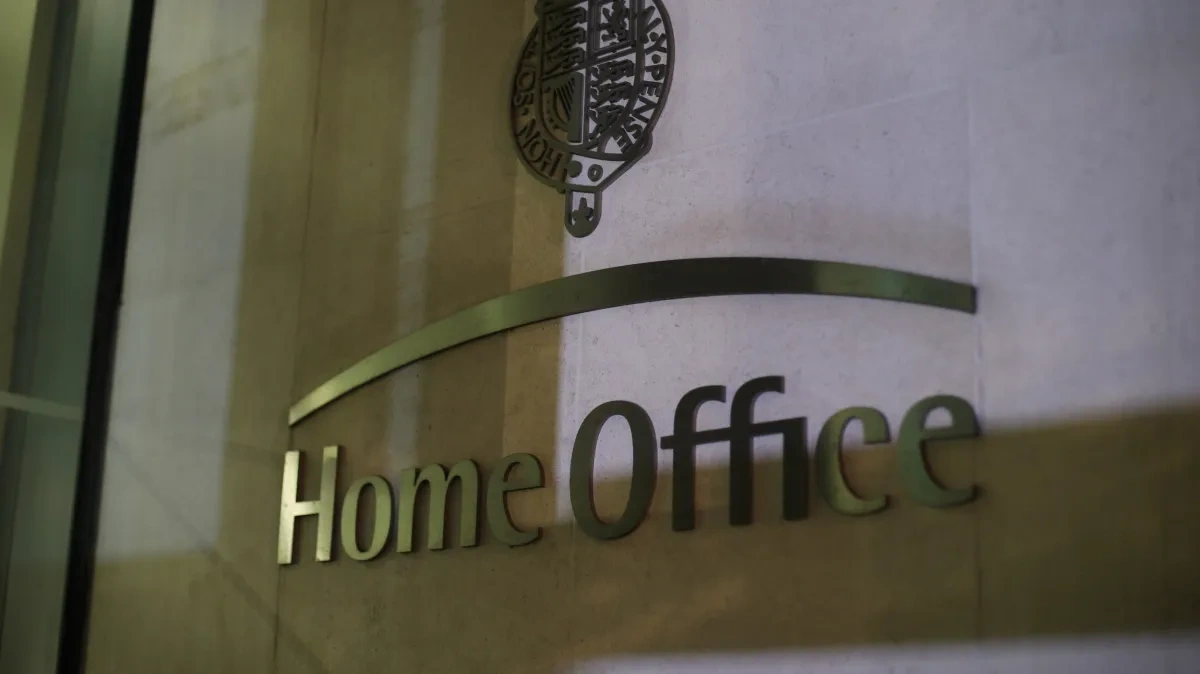
The UK Home Office could face hundreds of legal claims after a high court ruling criticised the conditions in which asylum seeking families have been forced to live in single hotel rooms for extended periods. A deputy high court judge described the situation as “extraordinarily stressful” and raised serious concerns about whether the accommodation provided meets basic standards of dignity and welfare. The case has intensified scrutiny over the government’s use of hotels as temporary housing for asylum seekers, particularly families with young children who have remained in such conditions for years.
The ruling examined two separate cases involving families who had been placed in single rooms for more than three years while awaiting decisions on their asylum status. Deputy High Court Judge Alan Bates concluded that both families should have been moved to suitable alternative accommodation within three months. One case involved a Kurdish Iraqi family living in a hotel room in Finchley, north London, consisting of parents and two young children sharing a small space with limited facilities. The other involved an Albanian woman and her teenage sons housed in a similar setting in Croydon, south London, following her experience as a victim of trafficking.
According to the judgment, the conditions experienced by these families fell short of providing a “dignified standard of living,” with limited access to essential household facilities such as cooking and study spaces. In one instance, children were required to complete schoolwork on a bed due to the lack of a table or desk. The court highlighted that the prolonged use of hotel accommodation for vulnerable families raised significant concerns about the adequacy of the asylum housing system and whether existing procedures were capable of ensuring timely relocation into more appropriate living arrangements.
Legal representatives for the families argue that the ruling could open the door for further claims from other asylum seeking households currently housed in similar conditions across the country. It is estimated that around 4,300 families are being accommodated in initial reception housing, most commonly hotel rooms. Lawyers involved in the case have suggested that the government may now face increased pressure to ensure that families are moved out of hotels within a defined timeframe or risk further litigation challenging the legality of prolonged stays in such accommodation.
The Home Office has responded by disputing the interpretation that the judgment sets a general three month limit for relocation, stating that the decision was based on the circumstances of two individual cases. Officials maintain that the government is working to reduce reliance on hotels and has already begun closing some asylum accommodation sites, with alternative arrangements including military sites being used in certain cases. However, critics argue that without systemic reform, similar legal challenges are likely to continue as pressure grows on the asylum housing system and its capacity to provide suitable long term accommodation.