Latest News
UK Braces for Rising Prices as Iran Conflict Deepens Economic Pressure and Confidence Falls

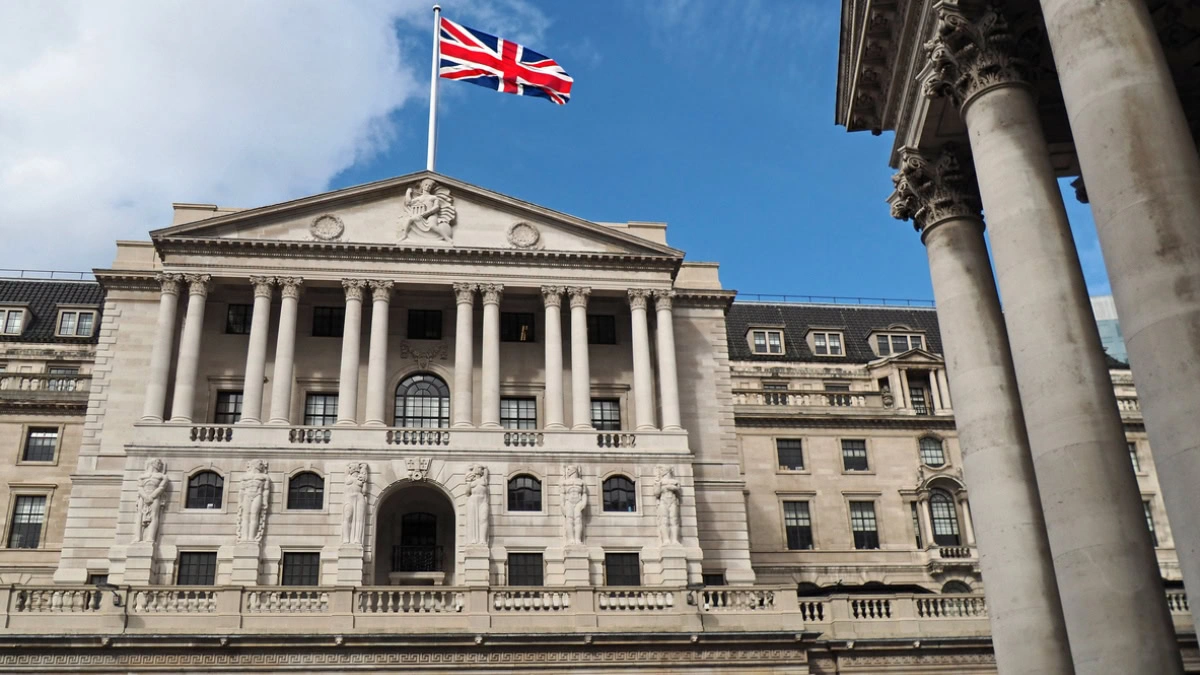
The United Kingdom is facing renewed concerns over inflation and cost of living pressures as economic confidence declines sharply in the wake of escalating geopolitical tensions linked to the Iran conflict. Recent surveys indicate that both businesses and consumers are becoming increasingly pessimistic about the economic outlook, with expectations rising that companies will pass higher costs onto customers. The situation reflects growing uncertainty in global markets, where international instability is beginning to filter into domestic financial conditions and household budgets.
Consumer confidence in the UK has dropped to its lowest level since October 2023, according to recent data from closely watched economic indicators. The decline comes as households continue to face persistent pressure from living costs, while additional global disruptions are now compounding existing financial strain. Analysts suggest that rising uncertainty surrounding energy markets, supply chains and trade routes linked to the Middle East conflict is contributing to weaker sentiment across both consumer and business sectors.
Businesses across multiple industries are also reporting increased cost pressures, with several surveys indicating that firms are preparing to raise prices in response to higher operational expenses. These pressures are being driven by concerns over supply chain disruptions and potential increases in import and energy costs, which are closely tied to geopolitical developments. Many companies are now reassessing pricing strategies in anticipation of continued volatility, suggesting that consumers may soon face additional inflationary effects in everyday goods and services.
The economic impact is being felt across a wide range of sectors, with retail, manufacturing and logistics among the most affected. Businesses are warning that sustained instability in global markets could lead to further increases in production and transportation costs, which would likely be passed on to consumers. At the same time, weaker confidence levels are also influencing investment decisions, with some firms delaying expansion plans until economic conditions become more stable.
As the situation develops, economists are closely monitoring how international conflicts continue to influence domestic inflation trends and consumer behaviour. The combination of geopolitical risk and existing cost of living challenges has created a fragile economic environment, where even small disruptions can have amplified effects. With confidence levels falling and price pressures rising, the UK economy is entering a period of heightened uncertainty that may shape financial conditions in the months ahead.