Politics
Starmer Iran war: UK defies Trump pressure on policy
Starmer Iran war tensions rise as Keir Starmer says the UK will not yield to Trump pressure, while London weighs trade threats and diplomacy.

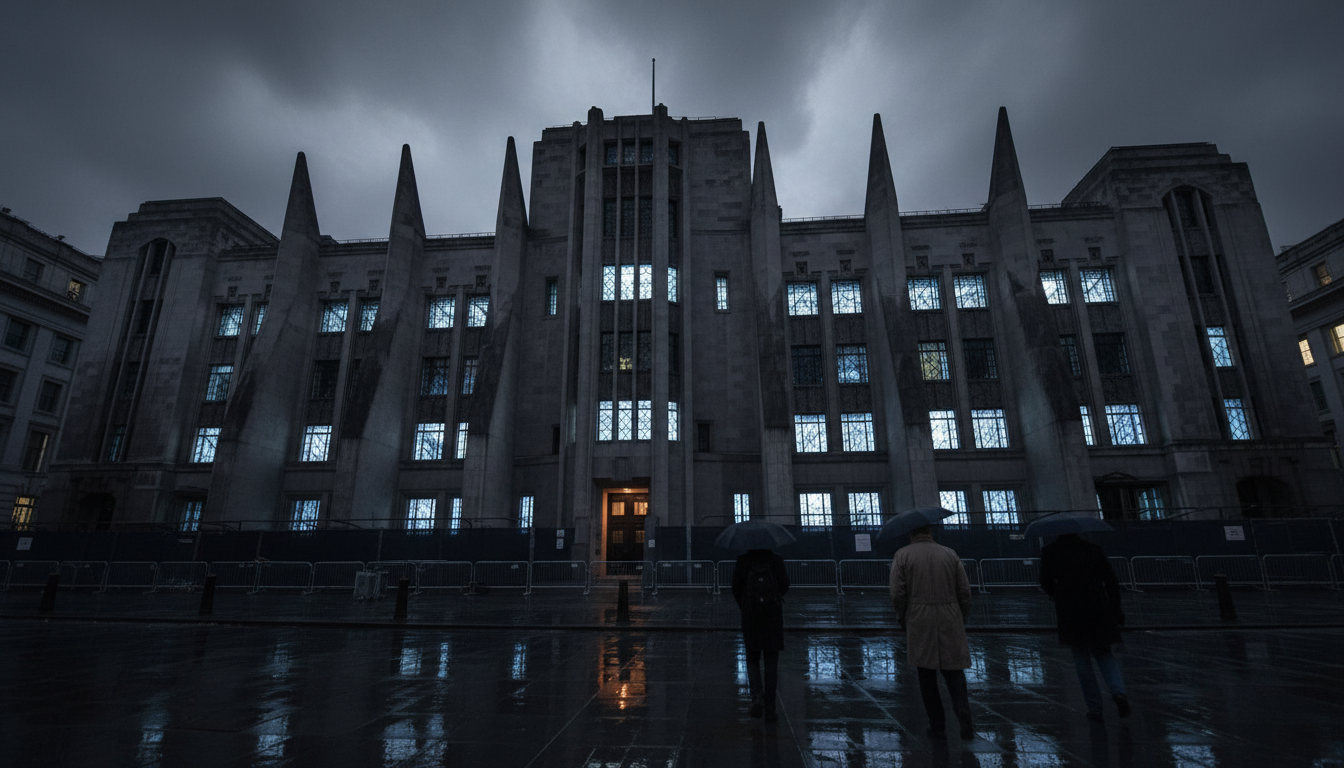
Starmer Iran war stance: UK decision making
Starmer Iran war tensions are sharpening as Downing Street insists the Prime Minister will not be pushed into military choices by outside pressure. In comments carried by Reuters and widely reported in London, Keir Starmer said he was “not going to yield” and that any decision would be taken in the UK national interest. Officials said the stance is intended to keep UK policy aligned with international law and Cabinet advice as the situation changes. Ministers have not set out operational details, but they have acknowledged heightened risks to British nationals, shipping routes, and regional partners as diplomacy continues.
Trump trade deal pressure and Whitehall response
According to officials briefed on the discussions, Trump has sought to link cooperation to market access, prompting Whitehall to try to separate commercial talks from security decisions. The same officials said trade negotiations should not be used to force timelines on Iran-related policy, and they want messaging disciplined ahead of parliamentary questions. In parallel, ministers say they are tracking humanitarian signals and rights concerns inside Iran, including reports discussed in Iran executions 2026: surge sparks global alarm. The government says it is keeping options under continuous review while avoiding statements that could narrow de escalation space.
Implications for UK US relations and security ties
Diplomats have described the immediate task as preventing public friction from becoming lasting damage to intelligence and defence cooperation. According to people familiar with internal planning, the Cabinet Office has asked departments for an updated assessment of potential knock-on effects for UK nationals and critical supply chains if the conflict broadens. MPs have circulated a BBC account of the standoff, available via BBC News RSS, as they prepare to question ministers on strategy. Officials insist the UK can disagree with Washington while still coordinating on deterrence, sanctions design, and crisis communications, a dynamic that could shape UK-US relations through the Starmer Iran war debate.
Political reactions in the UK and scrutiny
Westminster reaction has been immediate, with Conservatives pressing for clarity on any commitments and Labour backbenchers urging restraint amid reports of casualties. Opposition spokespeople argue that any UK role must be subject to parliamentary scrutiny, while government whips are preparing for a volatile news cycle, according to parliamentary aides. Analysts also note that domestic resilience planning tends to move up the agenda during international crises, particularly around cyber risk and critical infrastructure. That concern echoes recent reporting on Nearly Half of UK Businesses Hit by Cyber Attacks as Experts Warn of Rising Risks, which ministers cite when discussing preparedness.
Global diplomacy outlook and next steps
Foreign policy officials say London is trying to preserve room for mediation while signalling that coercive bargaining will not set UK red lines. The UK has coordinated calls with European and Gulf partners, according to officials, but has avoided announcing new military steps, arguing that premature disclosure can reduce leverage for de escalation. Briefers say the focus remains preventing wider regional spillover while maintaining backchannel contacts even as public rhetoric rises. Another ministerial update is expected after further consultations, with officials emphasising that alliance management must coexist with independent UK judgement as the Starmer Iran war discussion continues.