Crime
High Street Mini Marts Across UK Allegedly Used for Drug Sales BBC Undercover Investigation Reveals

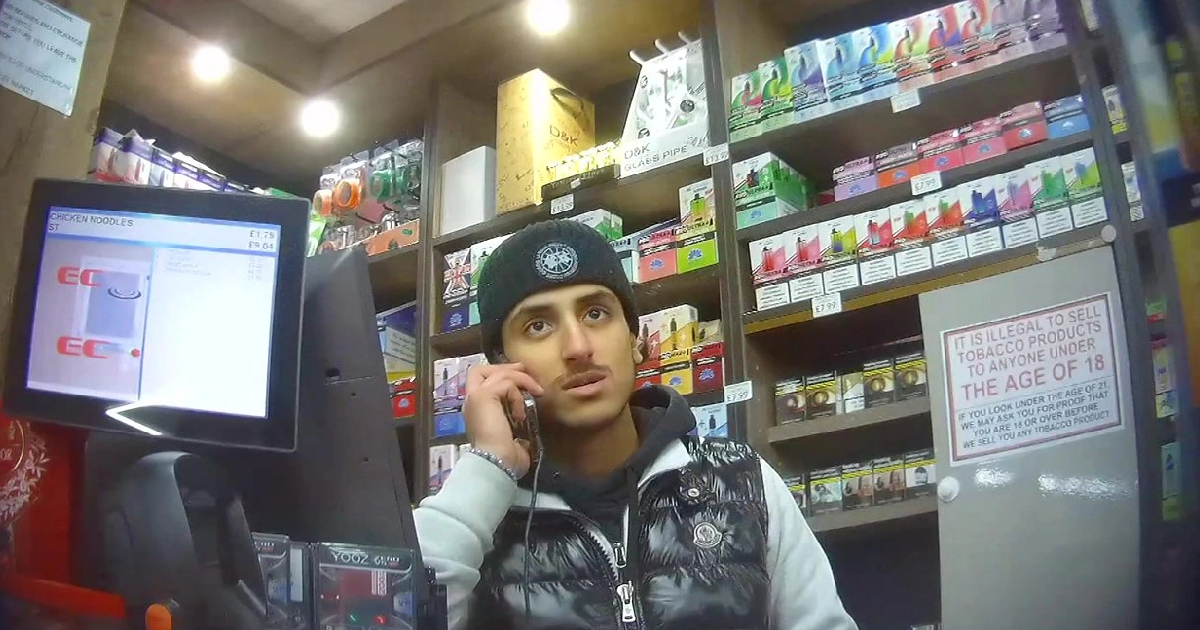
A major BBC undercover investigation has revealed disturbing allegations that some high street mini marts across parts of the United Kingdom are being used to sell illegal drugs including cocaine, cannabis, laughing gas and prescription medications. The findings suggest that organised criminal groups may be exploiting everyday retail spaces to distribute controlled substances, raising serious concerns about public safety, law enforcement challenges and the growing presence of illicit activity in commercial high street environments. The investigation focused on multiple towns where undercover researchers were reportedly offered drugs directly inside shops.
According to the findings, undercover journalists visited several mini marts across four neighbouring towns in the West Midlands, where they were allegedly able to purchase or were offered illegal substances without difficulty. Some locations were described by anonymous law enforcement sources as operating in an environment with little visible control, with one area referred to as lawless due to the scale of criminal activity. The report also indicates that legitimate business owners in nearby areas have faced intimidation from gangs and have witnessed incidents involving weapons and violent crime, adding further pressure on local communities.
The investigation highlights concerns raised by security agencies and trading standards bodies that organised criminal networks may be using retail shop fronts as cover for illegal drug distribution. Authorities including the National Crime Agency and the Chartered Trading Standards Institute have previously warned that criminal groups are increasingly embedding themselves within legitimate business structures to avoid detection. The BBC analysis also reviewed multiple local reports suggesting that drugs such as crystal meth and heroin have been discovered in more than seventy shops and related premises across various parts of the UK.
The growing scale of the issue has triggered political reaction, with senior lawmakers calling for stronger enforcement action to protect high streets from criminal exploitation. Concerns have been raised about the impact of organised crime on local economies, public safety and the reputation of retail districts. A senior parliamentary figure involved in business and trade oversight stated that tackling organised crime is essential for restoring confidence in high street areas, while urging faster and more coordinated intervention from authorities.
Government and law enforcement agencies have responded by stating that efforts are ongoing to combat illegal activity in retail environments. The Home Office has indicated that it is working alongside police forces, the National Crime Agency and trading standards officers to take stronger action against businesses involved in criminal operations. West Midlands Police also confirmed that it continues to work with partner agencies to address complaints related to drug sales, anti social behaviour and wider criminal activity, as investigations into the scale of the issue continue across multiple regions.