Trending
London Tube strikes set for April, May and June
London Tube strikes are scheduled across April, May and June, with walkouts planned by Underground drivers. Here is what travellers should know.

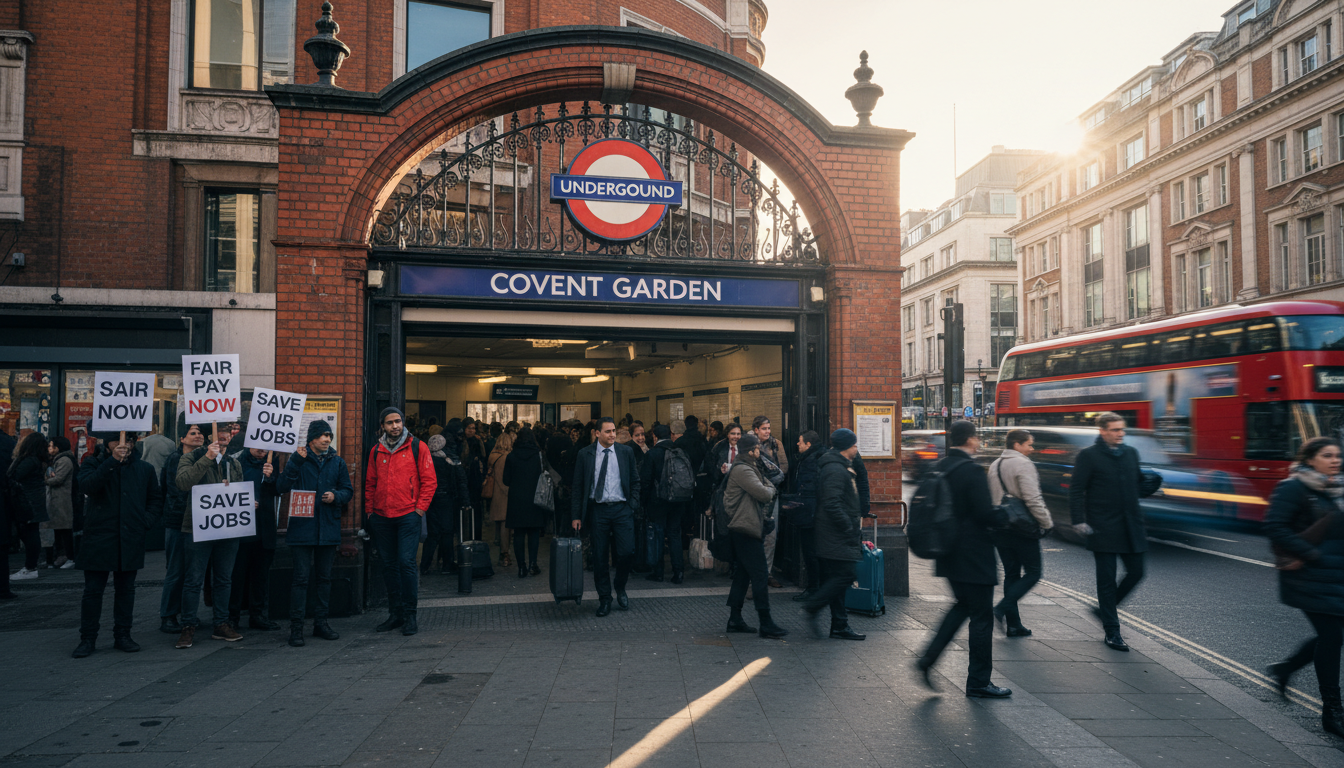
London Underground Drivers Plan Walkouts
London commuters face a fresh wave of planned walkouts as Underground drivers prepare stoppages across the spring timetable. Transport for London said services may be reduced even outside strike hours because train movements and staff handovers become harder to manage. In the latest Update from TfL, it advised passengers to check station notices and journey planners before travelling. For riders tracking conditions Live on platforms, the likely pattern is busy interchanges and longer waits as trains are thinned out. Dispute details are being set out through union notices and operator briefings, and Today travel demand is still high because schools and workplaces remain open.
Key Dates and Affected Lines Revealed
Specific dates and which lines are hit can change as talks continue, so passengers are being directed to official channels for confirmation. The BBC set out what travellers need to know and the scheduled action in its coverage, which is available here: BBC London Tube strikes explainer. TfL said any RMT strike notices it receives will be reflected in customer information as soon as they are validated. A separate transport policy comparison has been raised by some campaigners after Portugal Approves €48 Million Boost for Lisbon Metro Expansion, but London planning is being shaped by local budget and staffing constraints. Today, riders are watching for each Update as line by line impacts are confirmed.
Impact on Commuters: What to Expect
When driver action is scheduled, the immediate commuter impact is crowding on parallel routes and sharper peak hour surges, especially where buses replace rail connections. TfL has previously warned in service notices that transport disruption can spread quickly once central platforms fill, because station managers may temporarily restrict entry for safety. People following conditions Live should expect uneven headways, with a train gap sometimes followed by back to back arrivals. Business groups often advise flexible start times on strike days, while universities and hospitals typically issue their own internal travel guidance. For a broader view of how Westminster rows can collide with day to day services, see Starmer confronts Mandelson vetting row in PMQs. Today travel choices will depend on the latest Update from operators.
RMT’s Demands and Negotiation Standstill
Union messaging has focused on pay, rosters and working conditions, and the RMT strike position is framed as protecting safety critical roles and predictable schedules. The RMT has said in formal statements that any settlement must cover both compensation and terms, while TfL has repeatedly said it must work within its funding envelope set by government and fare income. The BBC has also covered wider government policy on public sector rules and industrial relations, including Phones to be banned in schools by law in England under government plans, which underscores how ministers are trying to show control in public services. Live briefings are expected whenever talks resume, but neither side has published a timetable for a final agreement. Today, passengers are left relying on each Update as negotiations stall.
Advice for Commuters During the Strikes
For travel days that coincide with action, the most reliable approach is to plan around station pinch points and build extra time for interchanges, especially where escalators and lifts become bottlenecks. TfL customer advice typically emphasises checking its status tools and allowing for queuing, and it often urges passengers to consider buses, walking, or cycling where feasible. Commuters watching Live conditions should be wary of last minute platform closures, because these can happen quickly once crowding triggers safety thresholds. Employers are again being asked to support remote work and staggered hours, and schools may adjust start times if local routes are heavily affected. Today, the best protection is to track each Update from TfL and the unions, then lock in a route with an alternative already mapped.