Politics
Maps and charts break down UK election results 2026
UK election results 2026 are being parsed in maps and charts as counts settle. This election analysis tracks party performance and shifting regional votes.

UK Election Results Explained
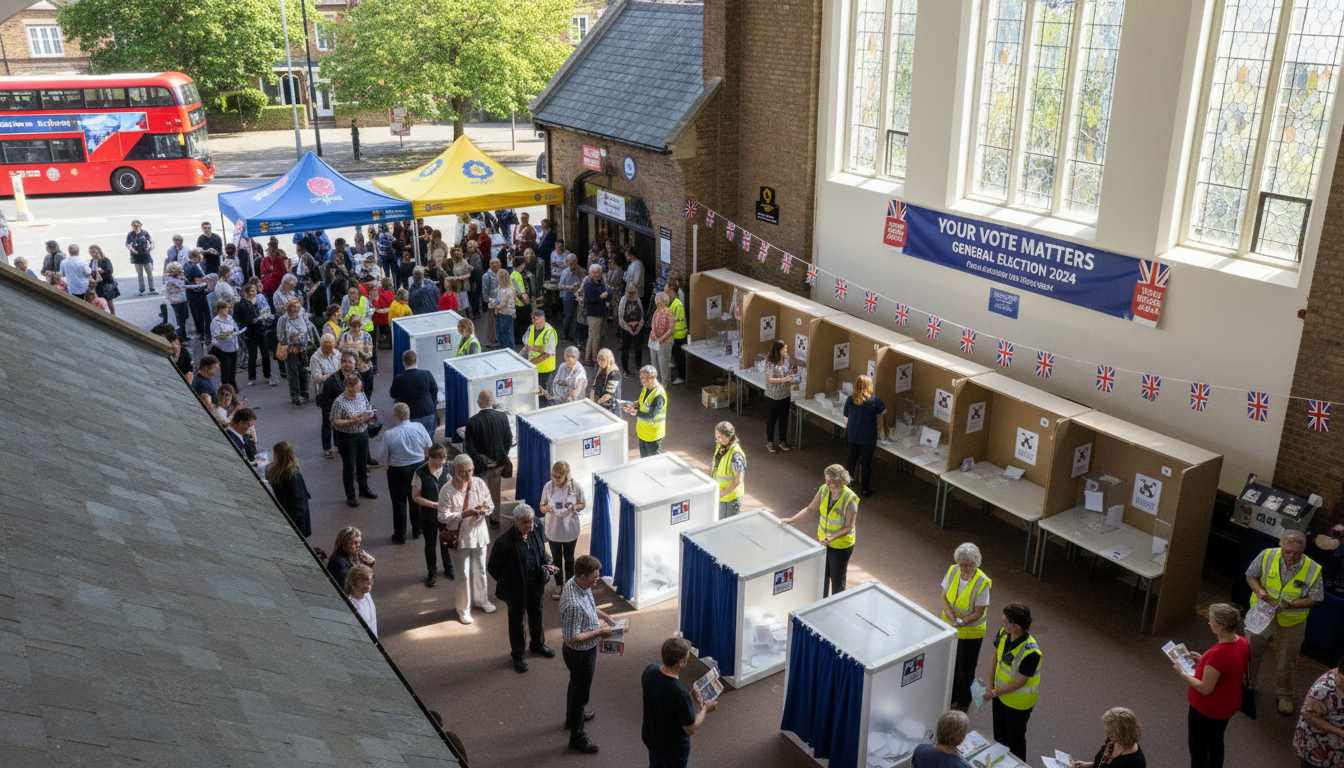
Constituency declarations are now arriving in batches rather than trickling in, and editors are treating the picture as fluid rather than final. In the middle of that scrutiny, UK election results 2026 are being read alongside turnout shifts and ballot rejection rates published by local returning officers, and analysts are checking not only who won seats, but also where vote shares swung enough to reshape the next Parliament. Live tally pages are also separating first declarations from later counts, because late reporting areas can change the narrative about momentum. Update briefings from election services are helping newsrooms match each seat result to ward level patterns without mixing incompatible baselines.
Interactive Tools Showcase Party Performance
Newsrooms are using constituency tiles, swingometers, and cartograms to show how changes accumulate seat by seat rather than as a single national story. Today, those visuals matter because they show when a narrow lead depends on a small number of knife edge seats, not a broad surge, and a useful cross check is the charting approach used in NFT Price News: Tracking Floors, Caps, and Charts, which demonstrates how time series views can reveal volatility that headline numbers hide. For elections, Live map filters highlight vote concentration and wasted votes, while Update snapshots flag where parties underperformed their regional averages. Editors are also pairing maps with demographic overlays sourced from the Office for National Statistics to avoid guesswork.
Region-by-Region Analysis of Votes
Regional splits are driving much of the election analysis because they show where national messaging landed and where it failed. Live studio desks are grouping seats by travel to work areas, then comparing those clusters with past vote share patterns to isolate real movement from boundary effects, and in Wales, the lens has been sharpened by Labour Faces Welsh Senedd Defeat After 100 Years, which frames how local narratives can diverge from Westminster assumptions. UK election results 2026 are also being checked against council level turnout posted by local authorities, so Today comparisons do not overstate swings caused by differential participation. Update notes from count centres are being used to verify when recounts altered margins.
Comparing this Election to Previous Years
Comparisons with prior UK general election cycles are being handled cautiously, because boundary revisions and candidate effects can exaggerate apparent shifts. Today, the cleanest method has been to compare vote shares rather than seats, then recalculate on consistent geographies where possible. Analysts cite the Electoral Commission guidance on reporting and spending returns when explaining why some data arrives after polling day, which affects how quickly a full picture can be validated, including late-returned invoices in statutory post-poll submissions. Live explainers are also separating uniform swing assumptions from observed swings, since national averages can mask counter trends in commuter belts and coastal towns. Update packages are leaning on constituency level declarations published by returning officers to avoid second hand figures when identifying the biggest changes in party performance.
Impact of Election on Future UK Politics
The immediate political impact is being measured by which parties can credibly claim mandates for specific policies, not just by who tops the seat count. Today, parliamentary arithmetic is prompting renewed attention on committee chairs, confidence votes, and the timetable for the next King’s Speech, all of which shape what can realistically pass. UK election results 2026 are also reframing how leaders negotiate with internal factions, because narrow victories can limit room for ideological gambits, and Live reaction from business groups and unions is being compared with written statements posted by party headquarters to test consistency between campaign promises and first week priorities. Update reporting is focusing on whether newly elected MPs align with leadership pledges, since early rebellions can set the tone for the full term.