Latest News
UK heatwave weather 34c peak: alerts as 35C nears
Amber heat health alerts are active as UK heatwave weather 34c peak nears 35C, with hot nights, drought pressure, and safety advice nationwide.

UK heatwave weather 34c peak: where 35C could hit
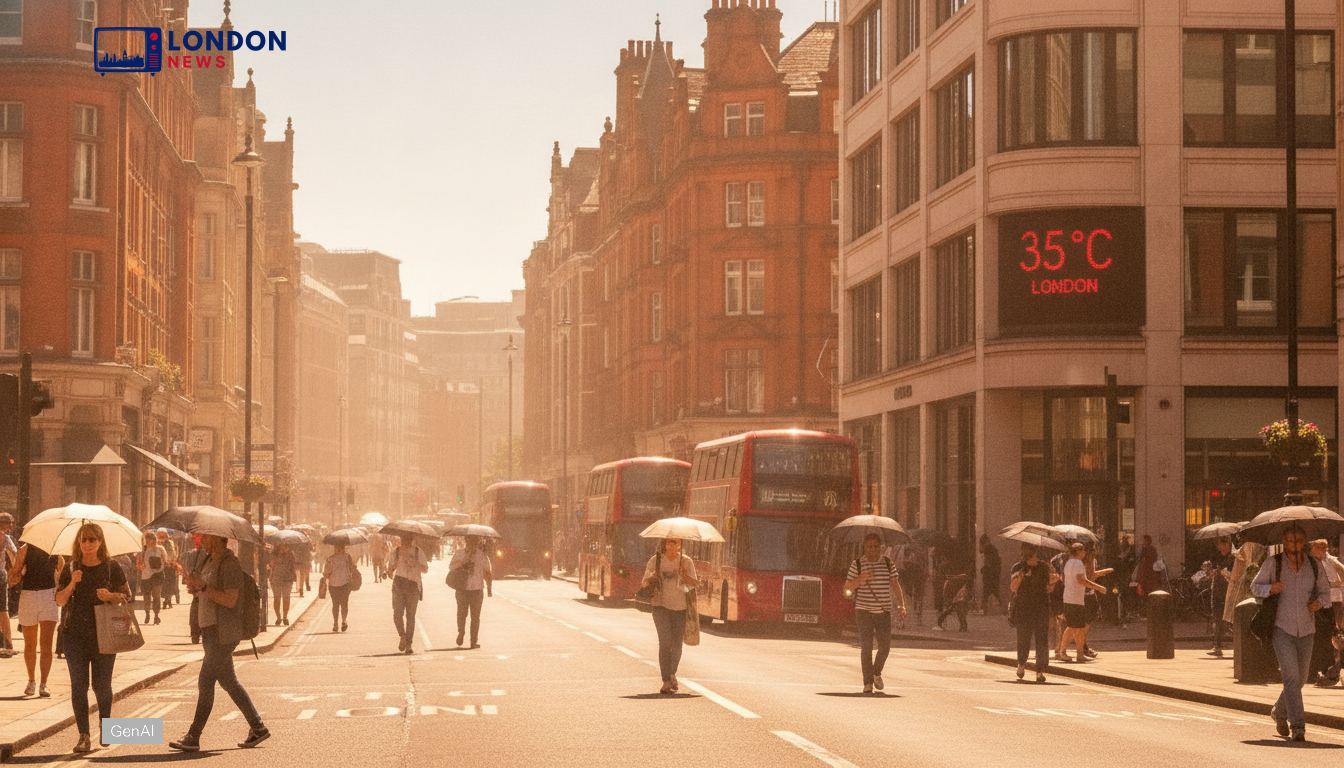
UK forecasters said the UK heatwave weather 34c peak could arrive as daytime highs climb into the mid 30s, with a few places possibly edging close to 35C, according to Met Office forecasts and briefings. Warm nights have also increased discomfort, with the Met Office noting that night-time temperatures can stay elevated during heat events. UKHSA issued amber heat health alerts across multiple regions, warning of increased impacts on health and social care services during the hottest hours. Met Office guidance also notes that sheltered valleys and dense urban areas can run hotter than nearby rural locations. Travel operators and public bodies have advised people to allow extra time and carry water during peak heat, according to routine hot-weather travel messaging.
Health impacts, travel disruption, and drought pressure
NHS England guidance and public health messaging warn that hot weather can worsen heart and breathing conditions and that dehydration and heat exhaustion can rise during sustained hot spells. UKHSA advice linked to amber alerts highlights higher risk for older people, infants, and those with long-term illness. Heat can also affect transport: rail operators and highways bodies have previously said high temperatures can cause rails to expand and some road surfaces to soften, so operators may impose speed restrictions and monitor infrastructure at the warmest points of the day. For seasonal disruption messaging, Lisbon Metro Closure at Cais do Sodre in August shows how agencies communicate constraints in peak summer, while separate pressure comes from water stress. As indicated by BBC reports, the Environment Agency view is that more than half of England is in drought, in BBC coverage of Environment Agency drought declaration.
Government and local action during peak heat
Some councils and local authorities said they were activating hot weather plans, which can include welfare checks, support for care homes, and signposting cool spaces such as libraries and community centres, depending on local provision. UKHSA guidance advises keeping indoor areas cooler by closing curtains on sun-facing rooms and using ventilation when outdoor air is lower, while also encouraging regular fluids and avoiding strenuous activity during early afternoon. Fire and rescue services regularly reiterate wildfire prevention advice during dry spells, and some local park operators sometimes restrict disposable barbecues and grills, according to local notices. In London, Transport for London and station operators typically issue hot-weather travel updates about busy stations and longer journeys in high temperatures, advising passengers to carry water and plan for delays. For related operational updates that affect day-to-day travel costs, Bus fare cap: England to cap fares at £2 from January provides an example of how public information is issued during high demand periods.
How this heatwave compares with recent UK extremes
Officials and forecasters have discussed current temperatures alongside recent hot summers, while separating day-to-day conditions from longer-term climate assessments. According to Met Office climate reporting, UK heat extremes are reportedly becoming more likely as the climate warms, and that heatwaves can last longer and reach higher peaks than in past decades. The Met Office also notes that built-up areas can be warmer than surrounding rural areas due to heat retention from buildings and roads and less green space, which can contribute to higher night-time temperatures. Readers tracking official alerts alongside other regional updates may also follow unrelated national items such as Andy Burnham urged to back higher taxes by millionaires, which shows how regional leaders communicate pressures during busy news cycles. Those warmer nights matter because UKHSA heat-health guidance associates sustained high indoor temperatures with increased risk for some vulnerable groups who cannot cool their homes effectively.
Safety advice for homes, commuters, and outdoor work
Public health teams emphasise practical steps that reduce risk during the hottest days, especially when heavy travel or outdoor work coincides with high temperatures. UKHSA recommends drinking regularly, checking urine colour as a hydration indicator, and limiting alcohol that can worsen dehydration, with the uk heatwave weather 34c peak also raising the importance of pacing outdoor tasks. Lightweight clothing, shade, and sunscreen can reduce heat load, while employers are encouraged in UKHSA and NHS guidance to consider rest breaks and cooler work patterns where possible. For another example of how services communicate protective action during high-pressure periods, MI5 compensation: damages over illegal phone surveillance illustrates how official processes are explained for public understanding. People caring for others are advised in NHS and UKHSA materials to check room temperatures and watch for early signs of heat illness, including dizziness, headache, nausea, and confusion. If symptoms develop, NHS guidance advises moving to a cooler place, loosening clothing, sipping water, and seeking medical help if the person does not improve quickly.