Trending
Marine heatwave UK: Met Office warns of extreme risk
Marine heatwave UK warning: Met Office says extreme sea temperatures could strain UK sea life, affecting fisheries, habitats and monitoring in coming days.

Marine heatwave UK: Met Office issues heat alert
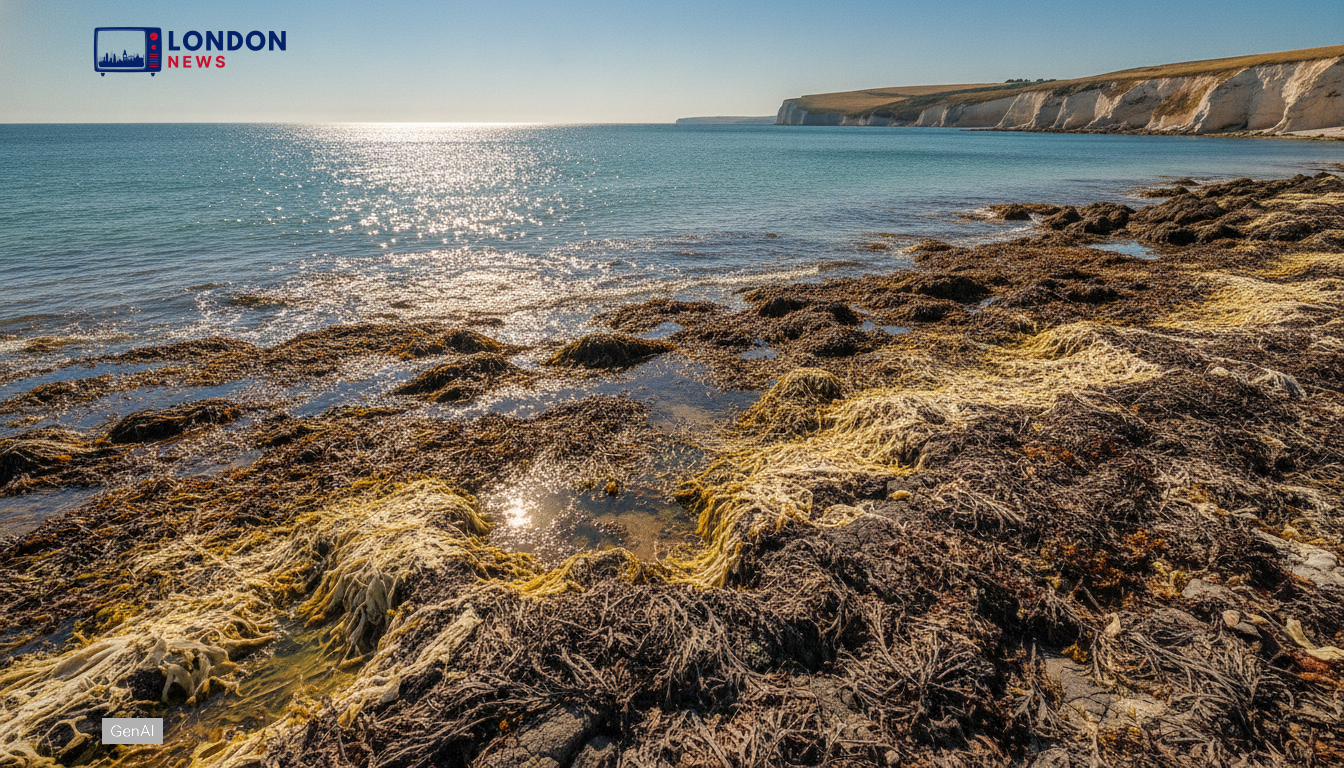
A risk of unusually warm sea conditions is rising in parts of UK waters, the Met Office has warned. Following a spell of settled weather and light winds, seas are calmer, allowing heat to build near the surface, especially in bays and nearshore zones. As outlined by Met Office guidance, there’s more concern when temperatures stay high for days on end, particularly at peak daylight. Coastal users, fishers and operators should keep an eye on local observations and short-range forecasts, as conditions might change in a flash. The advisory highlights the importance of reporting unusual marine events promptly.
Where the warm water is building and what it means
Marine biologists are worried as quick bursts of warmth can easily push sea life beyond its comfort zone, especially in shallow waters where the heat cranks up fast. Some zones could meet criteria for a marine heatwave, though a UK-wide figure hasn’t been pinpointed, according to the Met Office. For a broader take on heat pressures across Europe, see EU Cooling Craze: More Energy, More Problems. These heat events can mean lower oxygen levels and disrupt feeding or spawning, varying by locale and species. Coastal managers could notice changes in catches if the warmth hangs around.
What scientists and forecasters are watching now
Researchers keeping tabs on sea-surface temperature trends note that short-term weather conditions lay over a long-term warming trend. Clear skies and high pressure add heat by day, while light winds might stop the cooling mix of waters. For more on UK news delivery styles, see Farage denies stunt as Reform proposes August by-election date. In marine heatwave monitoring, both how long the warmth lasts and the depth of it matter, as they can affect habitats beyond the surface.
Practical steps for ports, fishers and coastal users
Coastal charities and regulators are pushing practical steps to minimise harm and gather evidence during the warm spell. They’re encouraging Londoners and others to check out public body communications, like the piece on BBC director general warns TV licence fee is outdated. Harbourmasters suggest reporting unusual mortalities quickly so samples can be collected fast, helping investigators decipher if it’s heat, disease, or pollution at play. Fishers are reminded to stick to closures and site rules, and conservationists urge for temporary protective measures, like avoiding disturbance in nursery areas.
Long-term implications if marine heatwaves become more frequent
Experts are sounding the alarm about recurring marine heatwaves, which could reshape ecosystems long after the heat has passed. This may impact fisheries, seabirds, and tourism, according to marine ecology research. Extended heat stress might alter plankton communities, affecting food chains and breeding success for some species. Climate scientists remind us that oceans store much of the excess heat in the climate system, raising the baseline for future alerts. Policymakers face the task of meshing quick warnings with marine protection and local resilience planning. Councils and ports may begin to see these events as a real operational challenge.