News
RSPB Bass Rock purchase ends centuries of ownership
RSPB Bass Rock purchase ends private ownership and boosts seabird protection on the Firth of Forth with biosecurity, access control and research.

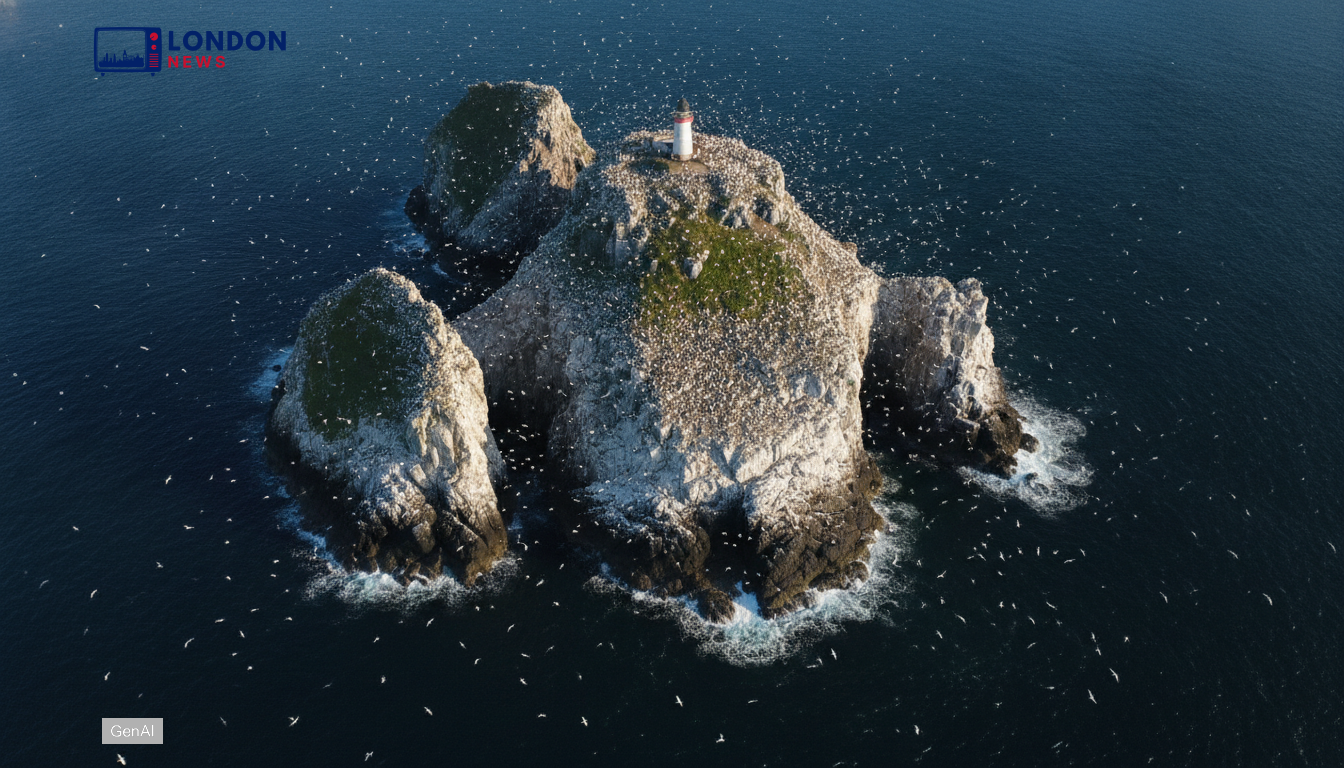
RSPB Bass Rock Purchase: Why It Was Acquired
The RSPB Bass Rock purchase reportedly moves the East Lothian island into conservation ownership after a long period of private control, according to the charity’s public comments on the deal. The charity suggests the agreement is intended to support long-term management of a high-profile seabird site, with decisions guided primarily by wildlife outcomes. In practical terms, the RSPB says ownership can give staff clearer authority over access arrangements, monitoring and site works, which may reduce disturbance during sensitive breeding periods. The organisation noted the purchase followed negotiations with the previous owners and is intended to support more consistent protection across seasons. The RSPB also indicated that local partners are expected to be engaged through operating plans that balance conservation, safety, and limited access where appropriate, on the Firth of Forth.
What Ownership Changes for Seabird Protection
For conservation work, ownership can affect what can be enforced on the ground and what can be funded over time, as the RSPB has noted in explaining the RSPB Bass Rock purchase. The charity expects to be able to set landing conditions, coordinate wardening and expand monitoring protocols in line with its wider seabird work. It has also linked the acquisition to pressures that could affect colonies around the Firth of Forth, including changes in food availability, disease risk and disturbance, and context on how policy choices affect islands and coastal management is outlined in EU strategies for islands: Commission plan for coasts. The charity also suggested ownership should help readiness for rapid response if conditions on the island change.
Bass Rock History and Access Management
Bass Rock’s identity is shaped by history as much as ecology, and the RSPB has said it intends to keep heritage considerations visible alongside conservation management following the purchase. The charity noted that the island was previously privately owned, describing the deal as a shift in how stewardship is organized, with decisions made through a conservation charity’s governance. The RSPB indicated this should provide clearer scope for interpretation of why the site matters, from its setting to its place in Scottish maritime narratives, including shore-based viewpoints from North Berwick. It also mentioned it will work with relevant local and national bodies on access arrangements and messaging so the site is protected while being explained accurately from shore-based viewpoints.
Risks: Disease, Disturbance and Biosecurity
Even with ownership settled, the conservation task can remain technically demanding and expensive, according to the RSPB’s general warnings about managing seabird colonies. The charity has repeatedly highlighted avian influenza as a major risk for seabird populations, and it has also pointed to disturbance, changing marine conditions and invasive species as ongoing concerns. Separate reporting on access and safety risks, such as the BBC’s coverage of unrest at Belfast residents after night of unrest, underlines how quickly planning can become central when conditions change. Operationally, the island’s exposed setting can limit when wardens and contractors can safely land, which can compress work windows and complicate biosecurity routines.
Next Steps After the Purchase
The RSPB suggests the next phase after the purchase will focus on strengthening protection and improving how decisions are evidenced, with an emphasis on measurable outcomes. The charity indicated its plans include refining surveillance for disease and disturbance, expanding data collection that can inform marine policy, and keeping landings and visits controlled so breeding cycles are prioritised. Wider UK governance themes on how funding choices shape public priorities are discussed in British defence spending set to favour UK firms, reflecting the competition for resources that nature work must navigate, and the RSPB Bass Rock purchase is framed as part of that longer-term resourcing effort. The organisation has also suggested that partnership work will continue with local operators and statutory bodies to keep activity predictable and compliant. The immediate objective, the charity indicated, is stable and enforceable site management across years.