Trending
NHS doctors’ strike: six days of disruption in England
England faces major NHS disruption as a six day doctors’ walkout begins, affecting appointments, staffing and emergency services, with official guidance.

NHS Braces for Strike Disruptions
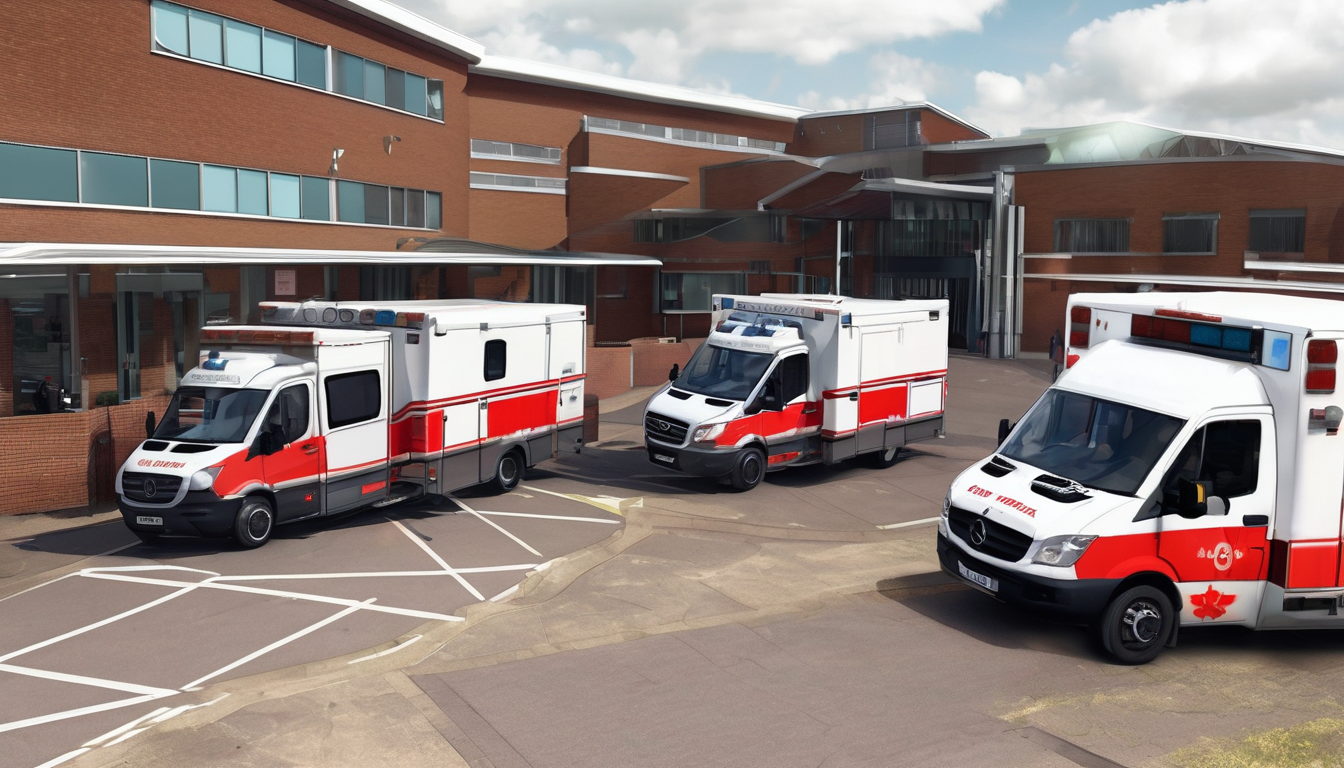
Hospitals and community providers across England are bracing for sharp NHS disruption as a six day NHS doctors’ strike begins, with rotas reshaped and senior clinicians redeployed to cover priority work. Trusts have warned that planned care will be scaled back, outpatient activity reduced and some diagnostic services slowed, even where emergency pathways remain open. Today, managers are focusing on safe staffing in theatres, maternity and critical care, while local systems coordinate mutual aid to avoid gaps. Live reporting from providers suggests delays will vary by region, depending on consultant cover and the size of the junior doctor cohort taking action. An Update from several trusts indicates capacity is being preserved for time critical treatment, even as routine throughput drops.
What Patients Need to Know
Patients are being urged to follow official instructions from their hospital or GP practice, rather than turning up without confirmation, because appointment schedules may change at short notice. Guidance on using urgent and emergency care appropriately is set out on the NHS website, and trusts are directing people there for service specific advice. At the same time, the wider news cycle can feel noisy, so clinicians stress that safety netting remains in place for symptoms that worsen. Today, the message from most systems is consistent, attend if you are told to attend, and keep contact details updated. A Live situation room approach is being used in many regions to track pressures, and an Update to patient lists is continuing as rotas settle.
Emergency Services Under Pressure
Emergency services are expected to run, but they will do so under heavier strain as staffing is stretched and inpatient flow tightens. Ambulance handover delays can rise when wards are full, so hospitals are prioritising rapid assessment and discharge planning alongside high acuity admissions. The doctors’ walkout adds friction to the system by reducing the number of clinicians available to clerk patients, review investigations and move people through specialist teams, even when consultants step into frontline roles. Trust leaders say the risk is not the doors closing, it is queues lengthening and waits extending for non immediate conditions. Reliable context is available in national coverage, including this report from BBC News on the strike disruption, which outlines the expected operational impacts.
Impact on Scheduled Appointments
The clearest effect is on elective activity, where cancellations are likely across surgery, specialist clinics and some imaging, depending on local cover and how services can be safely consolidated. Providers are trying to protect cancer pathways and urgent referrals, but routine follow ups and non urgent procedures are most exposed because they require coordinated teams, pre assessment, theatre staff and post op beds. Patients may receive late notice rescheduling if staff availability changes or if emergency admissions surge and reduce bed capacity. Communication is being handled by text and phone, with many trusts advising people not to call switchboards unless contacted, to keep lines open for clinical work. Where clinics run, they may be shortened, remote, or moved to alternative sites to reduce pressure.
Government and Union Responses
The dispute continues to be framed by ministers as a question of affordability and workforce planning, while union representatives argue that pay erosion and retention risks are undermining services and patient safety. Negotiating positions remain publicly entrenched, yet both sides have incentives to show progress because prolonged disruption widens backlogs and damages morale. Statements and official lines are published through government channels on gov.uk announcements and briefings, while NHS England and local integrated care systems focus on operational delivery during the stoppage. The practical consequence for patients is that capacity lost during strike days is hard to recoup quickly, particularly when staff must also cover emergency demand. Trusts say recovery plans will prioritise clinical urgency, with additional sessions only where staffing, space and funding allow.