News
UK Allows US to Use British Bases for Strikes on Iranian Missile Sites Amid Rising Tensions

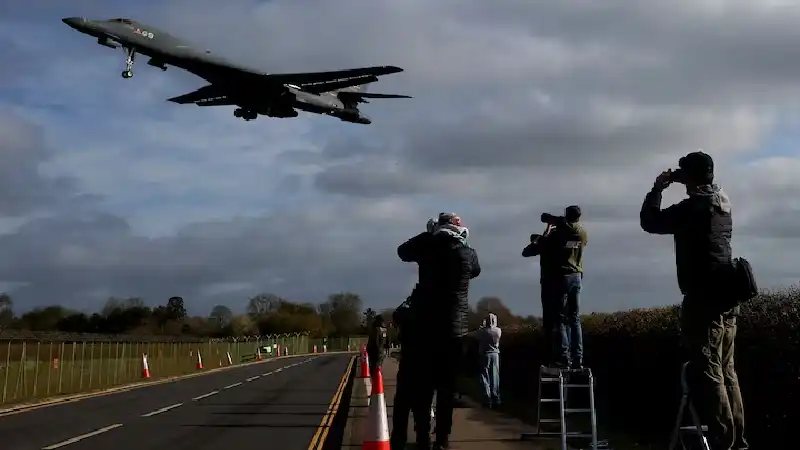
The United Kingdom has authorised the United States to use British military bases to carry out strikes on Iranian missile positions believed to be targeting commercial shipping routes, marking a significant shift in London’s approach to the escalating conflict in the Middle East. The decision comes as concerns grow over security in the Strait of Hormuz, a critical global energy corridor, where attacks on vessels have raised fears of wider disruption to international trade and energy supplies.
British ministers held urgent discussions before approving the move, with officials stating that the arrangement falls under collective self defence measures aimed at protecting regional stability and maritime security. The agreement allows US forces to operate from key British controlled facilities, including RAF Fairford and the joint UK US base at Diego Garcia. The strikes are intended to weaken missile capabilities used in attacks on shipping, as Western allies seek to contain further escalation without formally entering a broader war.
The decision follows an earlier period of hesitation from the British government, which had initially declined US requests while reviewing the legal framework surrounding military involvement. Prime Minister Keir Starmer had previously emphasized that Britain should not be drawn directly into conflict, but the position evolved after Iranian actions intensified across the region, particularly against allied targets. Officials now argue that the current authorization is limited to defensive objectives and does not represent a full scale military commitment.
The move has triggered a strong response from Iran, with officials warning that allowing foreign strikes from British territory could put the United Kingdom at risk. Iranian leaders have signaled that they reserve the right to respond under self defence principles, raising concerns about potential retaliation and further destabilization. Analysts warn that such developments could deepen geopolitical tensions and increase volatility in global markets, particularly in energy prices and shipping routes linked to the Gulf region.
Political pressure has also emerged from both domestic and international fronts, with public opinion in Britain showing significant resistance to deeper involvement in the conflict. Recent surveys suggest that a majority of the population opposes military action connected to the ongoing war, reflecting broader concerns about economic consequences and national security risks. At the same time, the United States has pushed allies to take a more active role, with President Donald Trump openly criticizing Britain’s initial reluctance before the policy shift.
The situation remains fluid as diplomatic efforts continue alongside military operations, with calls for de escalation growing among international leaders. Downing Street has reiterated the need for a swift resolution to the conflict, even as security measures are intensified. The use of British bases is expected to remain under close scrutiny in the coming days, as governments assess the impact of the strikes and monitor the risk of further escalation across the region.