News
Catfish Sold as Fish Supper Sparks UK Chippy Row
BBC findings fuel a fish and chips scandal, after some UK chippies served catfish as a traditional fish supper, prompting scrutiny and action.

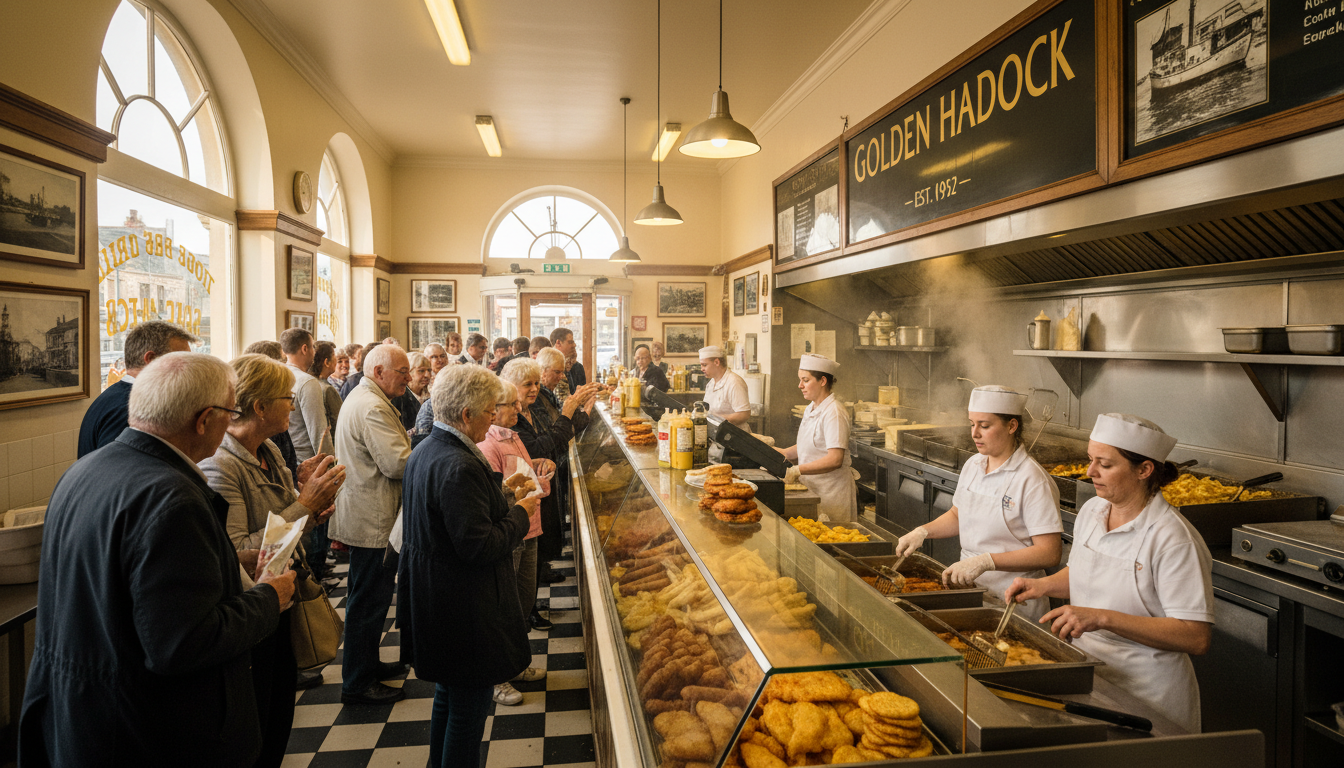
BBC Uncovers Fish Supper Deception
Today, scrutiny intensified after the BBC said it identified chip shops selling catfish as a traditional fish supper, raising immediate consumer anger and regulatory attention. In interviews conducted for its investigation, the broadcaster described customers being served unfamiliar fillets while menus and counter signs still implied customary species. In the middle of the Live discussion across local radio call ins and social platforms, the fish and chips scandal became shorthand for a wider trust issue around takeaway staples. The BBC said its work involved verification of what was served rather than relying on signage alone. An Update from several councils indicated complaints were being logged and passed to trading standards teams for assessment.
How Catfish Ended Up in UK Chippies
Industry explanations have focused on supply pressure and pricing, with some wholesalers offering cheaper alternatives that still fry well in batter. In that context, catfish in fish suppers has been framed by some operators as a substitution that customers will not notice, but regulators treat as a labelling and traceability issue. A separate Live cycle of Westminster and local authority news shows how quickly food trust stories travel, even when unrelated to politics, as seen on House vote moves to end shutdown over immigration. The BBC also published UK coverage today on other cases, underlining its on going reporting cadence in Woman charged over fatal Wimbledon school crash. Another Update from consumer groups urged shops to name species clearly.
Public Reaction to Fish Fraud
In towns where fish and chips is a weekly ritual, reaction has been immediate, with customers saying they will switch shops if they feel misled. Local campaigners described the episode as fish fraud because the alleged deception is not about taste, it is about what people believe they are paying for and eating. For shoppers looking for wider context on how councils handle complaints, a related London briefing on enforcement pressures is detailed at Council staff face threats from High Street gangs, and today several community pages circulated photos of receipts and menus. A Live stream from one seaside promenade showed queues forming at competitors advertising cod and haddock by name. An Update from trading standards spokespeople in multiple boroughs stressed that misdescription can trigger formal action.
Implications for Chip Shop Owners
For shop owners, the immediate risk is not only reputational, it is also regulatory, because labelling and allergen controls depend on accurate species identification. The Food Standards Agency sets expectations for food businesses to describe products honestly, and councils typically enforce those rules through inspections and sampling when complaints build. Within that framework, the fish and chips scandal has turned into a warning about paperwork, supplier invoices, and menu wording, not merely what arrives in the delivery box. Today, several operators said they are checking purchase orders and asking wholesalers to provide clearer specifications on frozen fillets. A Live push on social media has encouraged customers to keep receipts, and an Update from legal advisers to small businesses highlighted that repeated misdescription can escalate penalties.
The Future of Traditional Fish Suppers
The near term outcome is likely to be tighter transparency, with more shops listing species on boards and delivery apps to protect trust and reduce disputes at the counter. UK chip shops that already advertise provenance have moved quickly today to distance themselves from the controversy, sharing supplier details and photographs of packaging as proof. The longer term question is whether consumers will accept broader species choice if it is clearly labelled, which would shift the debate away from deception and toward affordability. In the middle of the Live churn of regional coverage, some councils said they will prioritise targeted checks where complaints indicate a pattern, including in London boroughs and seaside towns. An Update from food lawyers also noted that clear naming protects both customers and businesses when supply chains change, keeping the tradition intact without misrepresentation.