News
UK plan to ban smoking for people born after 2008
The UK smoking ban plan for people born after 2008 has been agreed, setting new rules on sales, enforcement, and public health UK aims.

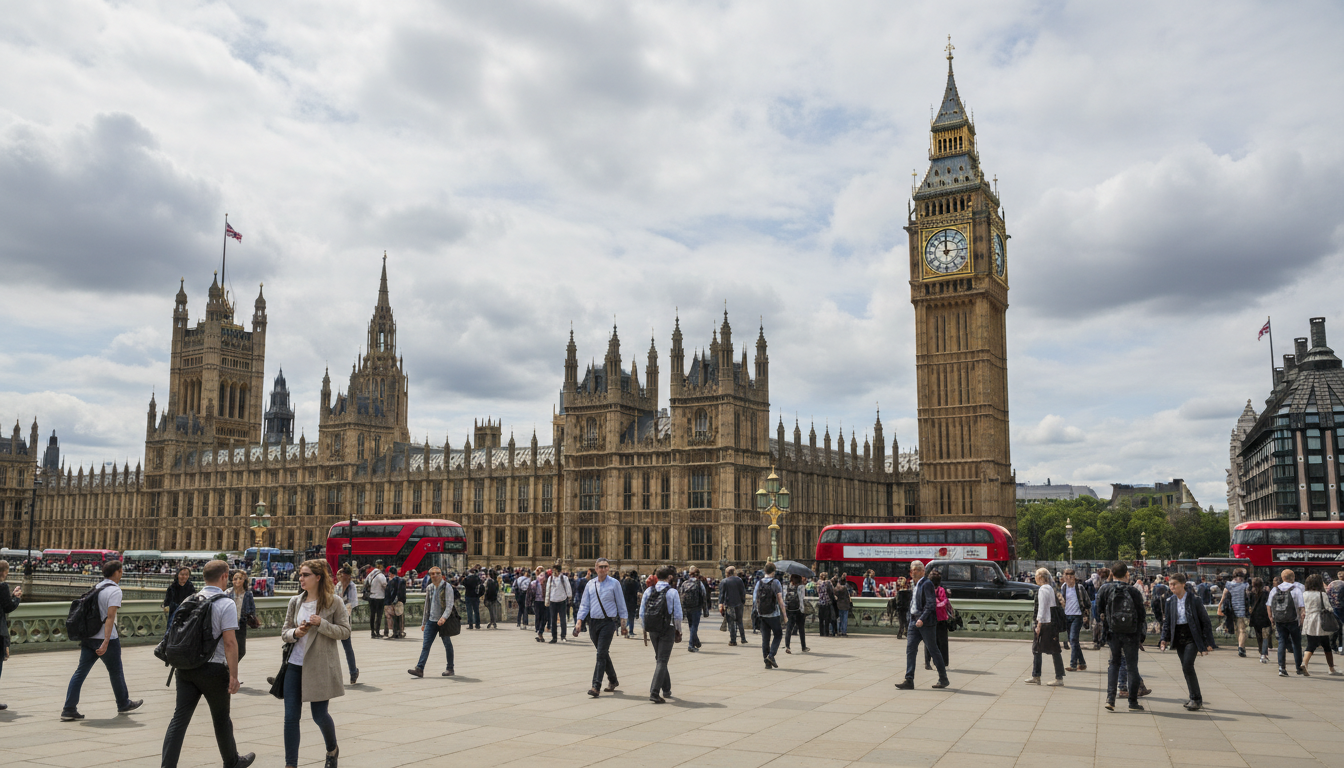
Landmark Legislation to Prevent Smoking
Ministers have agreed to press ahead with legislation that would stop anyone born after 2008 from ever legally buying cigarettes, a significant escalation in tobacco control policy. In Westminster Today, MPs framed the move as a generational shift that removes legal access over time rather than relying on short term campaigns. The UK smoking ban proposal is designed to phase out retail sales by steadily raising the age of purchase each year, while keeping current adult smokers within existing rules. In a Live political briefing, ministers said the approach targets long term prevention, not punishment, and aims to reduce youth initiation. The next parliamentary steps will decide the pace and scope of enforcement.
Details of the New Ban
The policy would apply to all tobacco retailers and would be enforced through age checks, test purchases, and penalties already used for underage sales. The BBC reported the agreement under the headline Smoking ban for people born after 2008 in the UK agreed, describing a law that effectively creates a rolling restriction tied to year of birth. Officials provided an Update that implementation details will be set through secondary rules, including how compliance visits are targeted and how penalties escalate for repeat offenders. For context on how other countries handle long term restrictions and compliance burdens, a comparable policy debate can be seen in Portugal Joins Europol Crackdown on Cybercrime Disables 59 Attack Websites, which outlines enforcement coordination in a different field.
Impact on Public Health
Health leaders are presenting the measure as a direct intervention to cut future smoking rates and ease pressure on the NHS, with an emphasis on prevention rather than treatment. In a Live discussion among clinicians Today, the argument focused on fewer young people becoming addicted and a gradual fall in tobacco related disease over decades. The smoking ban in uk framework also aligns with wider public health UK priorities, including reducing inequalities in communities where smoking remains most prevalent. Ministers said an Update on impact assessments will accompany the bill as it moves through Parliament, including modelling on reduced demand and potential effects on illicit trade. Operationally, local councils are expected to remain central to compliance checks, reflecting the existing system for age restricted products.
Challenges and Controversies
Retailers and some civil liberties advocates are raising concerns about practicality, fairness, and the risk of pushing some sales into unregulated channels. The smoking ban in public places uk is already familiar to most adults, but extending restrictions to a lifetime sales prohibition for one cohort introduces a new compliance challenge at the till. In London Today, some businesses pointed to tight margins and asked for clearer guidance on training and signage. A related debate on enforcement and unintended consequences has appeared in other domestic policy areas, including England Plans Law to Ban Phones in Schools Soon, where schools and parents are also weighing clarity and consistency. Ministers have promised an Update on resources for trading standards and on how penalties will be applied proportionately.
Future of Smoke-Free Generations
Supporters argue the long arc of the policy is its strength, because it steadily reduces access until smoking becomes an exception rather than a rite of passage. The UK smoking ban concept is closely tied to the smoke-free generation ambition, with ministers saying the end point is a country where fewer young adults ever start. In Live parliamentary coverage, the next focus is whether the bill retains cross party backing through committee stages and how it addresses vapes, advertising, and enforcement capacity without diluting the core goal. Campaigners are pressing for clear monitoring so results can be tracked year by year, while opponents seek stronger safeguards for small retailers. The legislative calendar will determine when the first cohort is affected and how quickly compliance expectations ramp up.