News
Electricity bills in focus as UK pricing plan shifts
UK ministers are weighing an energy pricing shakeup that could reshape electricity bills and energy costs, with price changes aimed at long term stability.

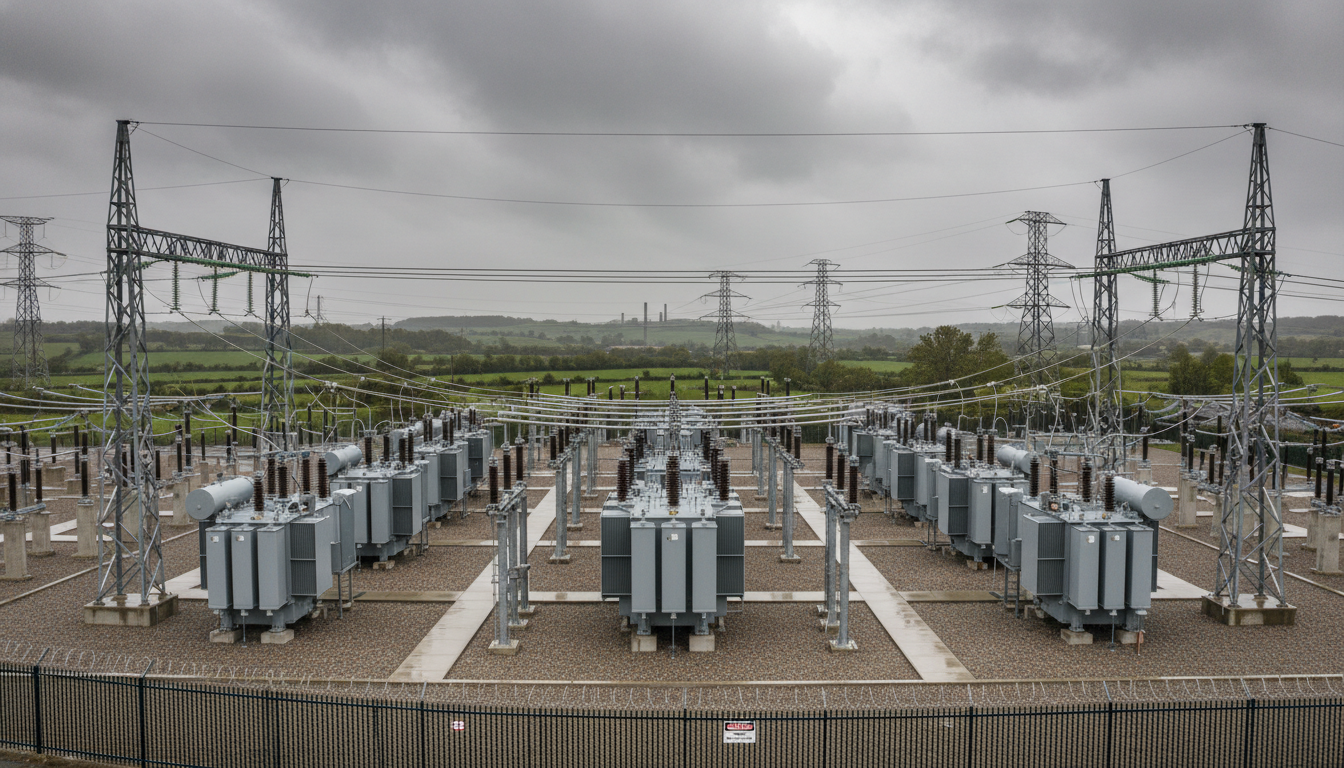
Government Targets Electricity Bills for Reform
Ministers are moving from discussion to drafting on changes that would alter how households pay for power, with officials signalling the aim is to reduce pressure on electricity bills rather than cut overall demand. Today, the Department for Energy Security and Net Zero has framed the work as a review of how policy costs and network charges land on monthly statements. In the middle of briefings, the energy pricing shakeup has been described by senior figures as a route to rebalance charges between electricity and other fuels. Live market pricing still drives wholesale components, but Whitehall is exploring structural tweaks that could change who pays what and when. An Update is expected as consultations are prepared for release.
Impact of Middle East Tensions on UK Energy
Traders and officials are watching oil and gas routes closely as tensions in the Middle East keep volatility high, even when UK demand is seasonally softer. The government has pointed to risk management rather than panic, linking its domestic plans to the need for resilience while price changes ripple through international markets. For context on how global crises can shift policy priorities, readers have also followed Holy See statement on diplomacy and the Middle East crisis. The clearest UK signal remains the independent price cap process, and Ofgem explains how it sets the cap and updates it on a regular cycle at BBC coverage of UK energy pricing developments. Today, officials say the priority is limiting exposure to sudden energy costs spikes.
Potential Consumer Reactions to Price Changes
Suppliers and consumer groups are bracing for a sharp public response if reforms are seen to shift costs onto particular regions, housing types, or payment methods. Live customer service data already shows billing disputes rising when standing charges climb, and ministers want to avoid a redesign that is hard to explain at the kitchen table. In discussions about an energy pricing shakeup, advisers have stressed that transparency must be built into bill formats so customers can see which elements come from networks, policy, and wholesale inputs. An Update from constituency MPs is likely as soon as draft options become clearer, because campaigners have demanded that any changes protect prepayment users and people with low usage. The political temperature is already high, and consumer trust is fragile.
Expert Opinions on Proposed Energy Reforms
Analysts focused on system design argue that moving levies or reshaping standing charges could have winners and losers even if average costs change little. The Energy Networks Association has previously said that network investment needs stable funding, and that certainty matters as ageing assets are replaced. Economists also point to labour market strain as another pressure on household budgets, and UK Unemployment Falls as Students Exit Workforce has been cited in briefings to illustrate why bill affordability sits alongside jobs and wages. Today, specialists say reforms should avoid distorting incentives to electrify heating and transport, because long term decarbonisation depends on consumer uptake. Live commentary from the sector expects ministers to publish impact tables, with an Update on distributional effects.
Future Projections for UK Energy Market
The near term outlook hinges on how quickly government turns principles into regulations, and whether suppliers can adapt billing systems without errors. National Grid ESO has repeatedly highlighted the need for flexibility and smarter demand, and policy teams are linking reforms to the wider push for clean power and grid upgrades. Market watchers say further price changes may still come through wholesale swings, but the policy debate is about smoothing extremes and improving fairness between households. Today, officials insist that any package must be compatible with Ofgem enforcement and consumer redress rules, so complaints can be resolved quickly when things go wrong. Live scrutiny in Parliament is expected as draft measures land, and the next Update will be the consultation timetable and modelling assumptions.