News
Watchdog clears claims of widespread fuel gouging
A fuel price watchdog says there is no evidence of widespread price-gouging at pumps, as UK fuel prices and margins stay under close scrutiny.

UK Watchdog’s Decision on Fuel Price Concerns
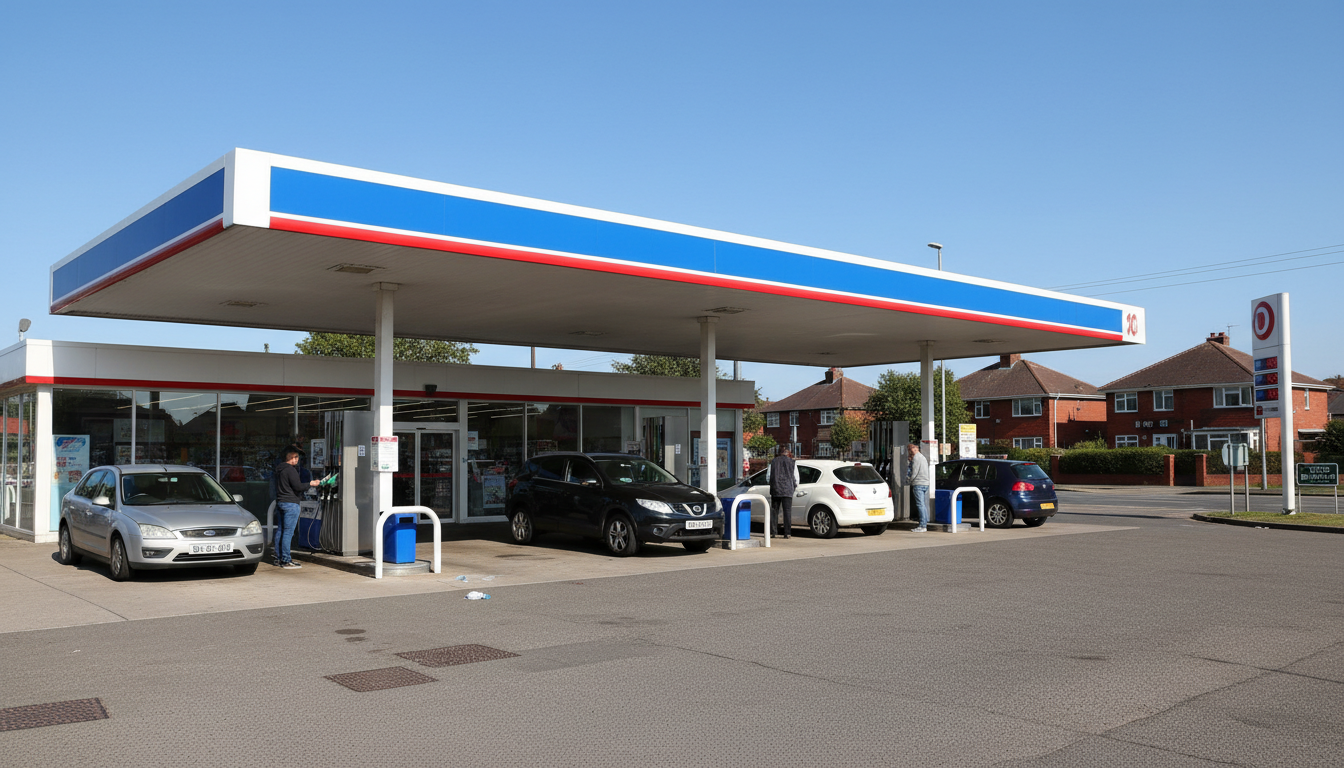
Regulators moved to calm pressure on forecourts after a review of pump pricing and wholesale costs. In a briefing carried by national broadcasters Today, the fuel price watchdog said officials found no evidence of widespread price-gouging across major retailers. The pattern of retail prices broadly tracked wholesale movements over the period assessed, and officials said it would flag any sustained divergence if it emerged. Live reaction from drivers has focused on why prices can still feel sticky when oil falls, but the watchdog stressed its conclusions were based on transaction data rather than anecdote. An Update on further checks is expected as new market data comes in.
Factors Behind Stable Fuel Profit Margins
The watchdog pointed to structural factors that can keep margins steady even when crude prices are volatile. It noted that refining costs, distribution contracts, and station-level operating expenses can shift independently of oil, affecting the final pump price. In a separate energy market context, Ukraine widens oil strikes as Putin offers ceasefire highlighted how supply risks can alter buying behaviour and inventory timing, which the competition watchdog considers when comparing retail moves to wholesale changes. Today, analysts also watch exchange rates and biofuel blending requirements, both of which can push UK fuel prices higher or lower without indicating price-gouging. Live market feeds remain a reference point for the next Update.
Public Response to Watchdog’s Statement
Motoring groups said the statement would not end public frustration, because households still feel the cumulative strain of transport costs. Consumer advocates argued that trust depends on clear communication of how investigations are run, including what data is examined and over what timeframe. Today on talk radio in London, callers asked for station-by-station transparency, while others focused on supermarket fuel strategies versus independents. The watchdog said engagement would continue with retailers and trade bodies as new information arrives. A parallel theme in Live commentary has been whether clearer labelling of wholesale benchmarks would help customers interpret pump changes. An Update on outreach work is expected after the next round of compliance checks.
Impact on UK Fuel Market Stability
The near-term effect is to reduce the risk of sudden policy interventions that could disrupt supply, while keeping scrutiny on competition. The competition watchdog has previously argued that clear signals can deter opportunistic pricing, and this finding reinforces its view that the market is functioning without widespread misconduct. For drivers tracking UK fuel prices Today, the practical takeaway is that short-term swings will likely remain tied to supply costs, taxes, and local competition. Live price comparison tools can still show large differences between nearby stations, which the watchdog treats as a normal competitive outcome rather than automatic evidence of price-gouging. For context on public safety pressures that can also affect local services, see Council staff face threats from High Street gangs. Another Update will follow if margin patterns change materially.
Future Monitoring and Regulatory Measures
Regulators said monitoring will continue, with attention on periods when wholesale prices fall quickly and consumers expect immediate relief. The watchdog indicated it will keep using detailed pricing datasets to compare retail movements with input costs, and will escalate concerns where patterns suggest weakened competition. Today, officials also highlighted that consumer confidence depends on enforcement capability, including the ability to challenge misleading claims at the pump and ensure accurate price displays. Live scrutiny is expected to intensify during holiday travel peaks, when demand rises and local shortages can occur. The BBC has separately covered how public accountability processes work across sectors, in Woman charged over fatal Wimbledon school crash, illustrating how formal investigations can proceed alongside public concern. A further Update is expected after the next scheduled market review.