Latest News
New unit targets High Street shopfront gang fronts
The High Street crime unit will target shopfront gangs and money laundering after a BBC investigation, with councils and police sharing Live Update actions Today.

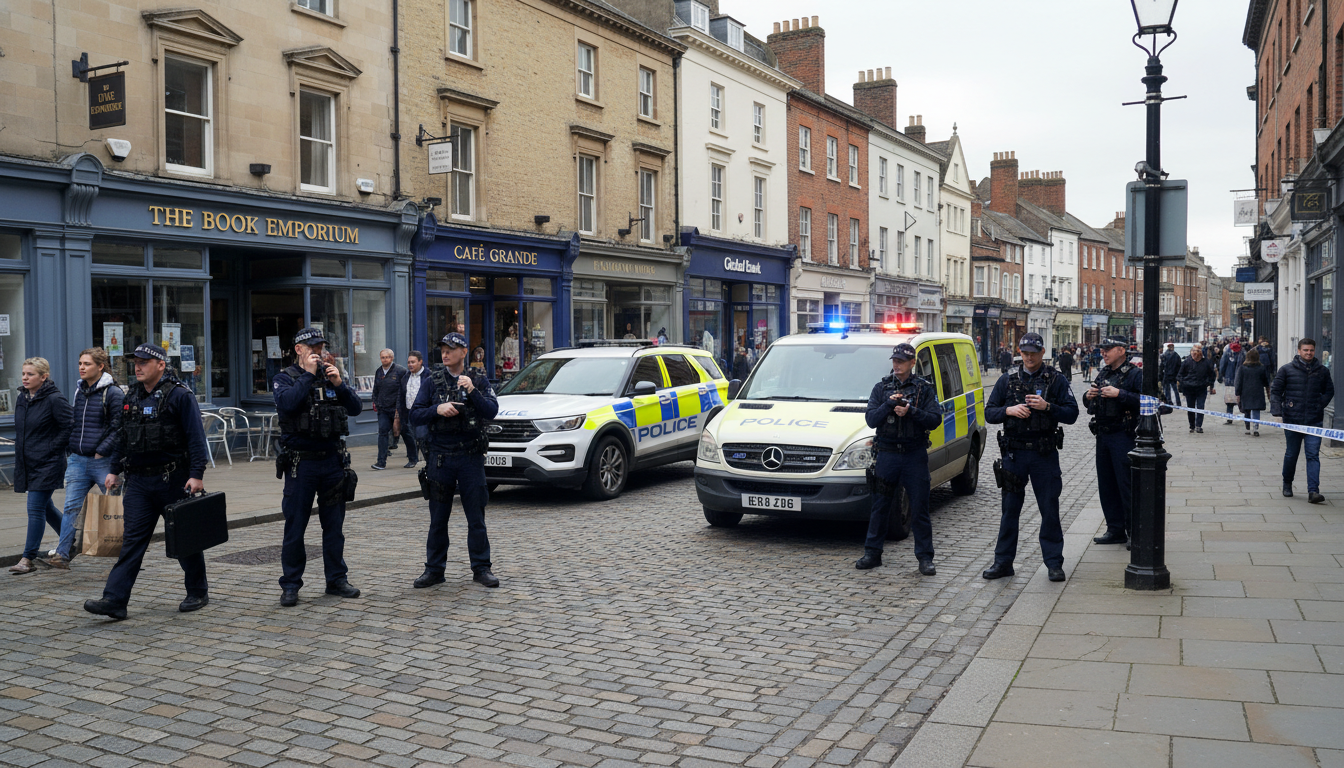
High Street’s New Crime-Fighting Initiative
Ministers and senior policing leaders are rolling out a new enforcement team aimed at tackling criminal networks using retail premises as cover. The plan follows mounting concern from councils and business groups about intimidation, retail crime and persistent anti social behaviour around busy shopping parades. In operational briefings shared with local partners, the High Street crime unit is being tasked to coordinate intelligence, rapid inspections and arrests across linked addresses. Today, officers are being directed to focus on repeat problem sites where legitimate traders say they have been pushed out. Live coordination rooms are expected to support cross borough activity, with an Update cycle built around weekly disruption results. The Home Office has said the model will be judged by prosecutions and closures.
How Gangs Front Shops for Crime
Investigators say shopfront gangs typically keep shutters up and staff present, but use the premises to mask cash movement and control territory. In many cases, the stated turnover does not match footfall, and money laundering risks rise when large cash deposits appear without clear trading records, said the National Crime Agency in its public guidance on laundering typologies. Local licensing teams say the same addresses can be tied to off licence breaches, illegal tobacco sales and violence linked to drug gangs. Today, enforcement is being framed as a Live test of joined up powers, including planning, licensing and policing. An Update from partners stressed that evidence gathering will prioritise financial trails, phone data and CCTV rather than street rumours.
The BBC Investigation: What Was Uncovered
The trigger for the new approach was recent reporting that mapped clusters of suspect businesses and the people connected to them. The BBC said its investigation identified patterns in shop ownership, rapid company changes and repeated police call outs near certain premises, raising questions about fronts used to hide organised crime activity. A Live briefing for councillors referenced the broadcast as a catalyst for faster multi agency action, and the High Street crime unit will now formalise that coordination. For context on how cross border coordination is being discussed in other risk areas, partners circulated as an example of sustained monitoring Iran executions surge amid war and global alarm. Another Update cited BBC report on petrol prices and enforcement pressures when discussing resourcing constraints.
Government and Local Response to Crime
The Home Office says the unit will work with police forces and councils to speed up action where criminality is hidden behind apparently legal trading. Local authority leaders have been told to align trading standards, licensing and environmental health visits so evidence is captured for court, according to briefing notes shared with borough partners. In London, a policing source said the High Street crime unit will use disruption tools such as closure orders, forfeiture applications and serious crime prevention orders where thresholds are met. Today, town centre teams are also being asked to triage cases so high harm addresses get immediate attention, while lower level complaints move into routine enforcement. For wider context on linked threats, boroughs pointed residents to Cybercrime Threats Escalate Into Real World Harm during an Update on safeguarding.
Future Steps for High Street Safety
Operational leaders say the next phase will rely on consistent data sharing and measured outcomes rather than headline raids. Police commanders expect more financial investigations and more witness support for shopkeepers who fear retaliation, with councils coordinating tenancy checks and property ownership scrutiny. Today, agencies are preparing Live dashboards to track premises visits, seizures and case progression, and an Update timetable will publish aggregated results to local business forums. The emphasis is on sustaining pressure long enough to prevent quick reopenings under new names, a tactic enforcement teams say has frustrated earlier efforts. In May 2026, officials also want prosecutors involved earlier so evidential standards are met from the first visit. The goal is safer shopping streets without displacing crime into neighbouring areas.