Latest News
UK Borrowing Costs Climb as Markets React to Starmer Speech and Fiscal Uncertainty

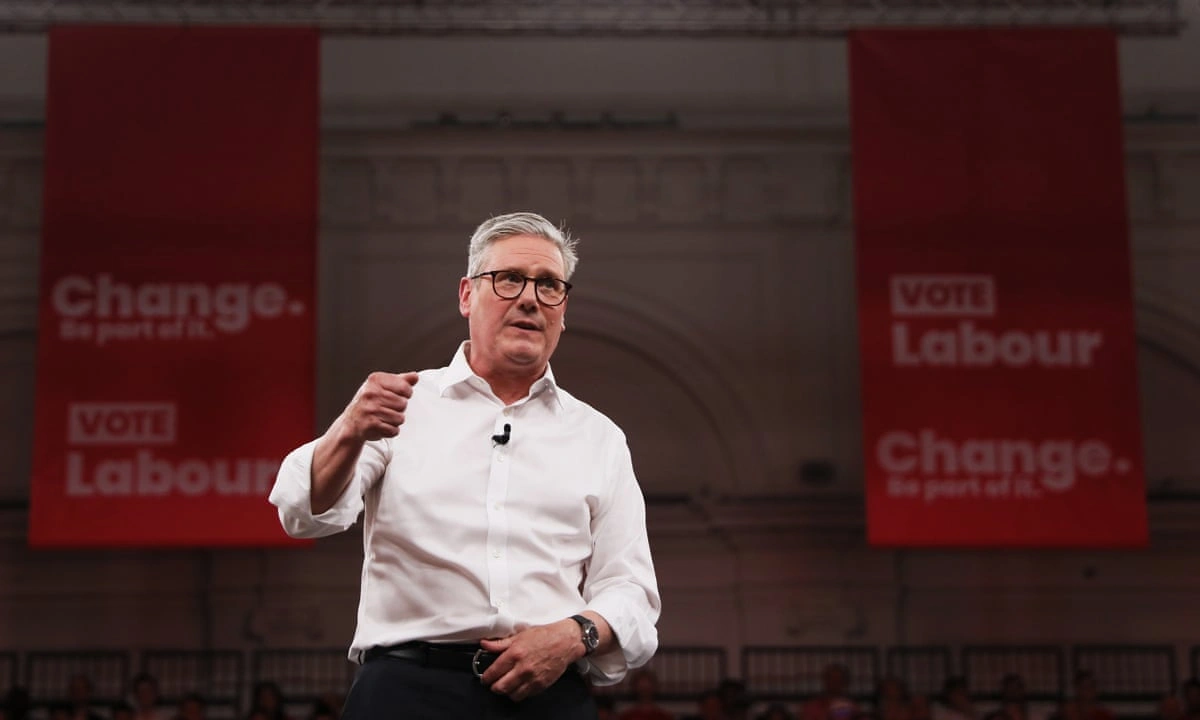
UK government borrowing costs have edged higher as financial markets responded nervously to political signals following a key speech by Prime Minister Keir Starmer, with investors appearing unconvinced that stability has been restored after a turbulent period in domestic politics. The movement in bond yields reflects growing sensitivity among traders to both political uncertainty and persistent inflation concerns, which continue to shape expectations for the UK economy in the months ahead.
The yield on 10 year UK government bonds, known as gilts, rose by eight basis points to reach 5 percent, marking a notable uptick in borrowing costs for the state. At the same time, long dated 30 year gilts climbed by 9.3 basis points to 5.67 percent, moving closer to recent highs not seen in nearly three decades. These shifts indicate that investors are demanding higher returns to hold UK debt, a sign of caution regarding the country’s fiscal and political outlook.
Market reactions came after Prime Minister Keir Starmer delivered a speech aimed at reassuring both the public and financial markets following a difficult electoral period for the governing Labour Party. The Prime Minister stated his intention to remain in office and reject any internal leadership challenges, seeking to project continuity and stability after a series of local election setbacks across England, Scotland and Wales. However, the response from bond markets suggested that concerns had not been fully eased.
Earlier in the week, UK gilts had initially rallied as election results indicated that Labour had performed slightly better than some forecasts had suggested, leading to a brief decline in borrowing costs. However, those gains were quickly reversed as investors reassessed the broader picture, focusing instead on the risk of political instability combined with ongoing inflationary pressures. Analysts noted that the volatility highlights how sensitive UK debt markets have become to even subtle shifts in political sentiment.
Financial observers pointed out that the speech did little to remove what many describe as underlying jitters in the market. Concerns centre not only on political cohesion but also on the trajectory of inflation and public spending commitments, both of which have significant implications for government borrowing requirements. As yields rise, the cost of servicing national debt increases, adding further pressure to fiscal planning at a time when economic growth remains uneven.
Market strategist Susannah Streeter commented that the speech had not delivered the reassurance investors were looking for, suggesting that sentiment remains fragile. With global interest rates still elevated and domestic uncertainty lingering, UK bond markets are likely to remain sensitive to political developments and economic data releases in the coming weeks, keeping borrowing costs under close scrutiny.