Politics
UK politics: PM Rebuts Farage in Nowak Policing Row
In UK politics, the PM responds to Nigel Farage’s “two-tier policing” claim linked to the Nowak case, pointing to oversight routes and calls for evidence-led scrutiny.

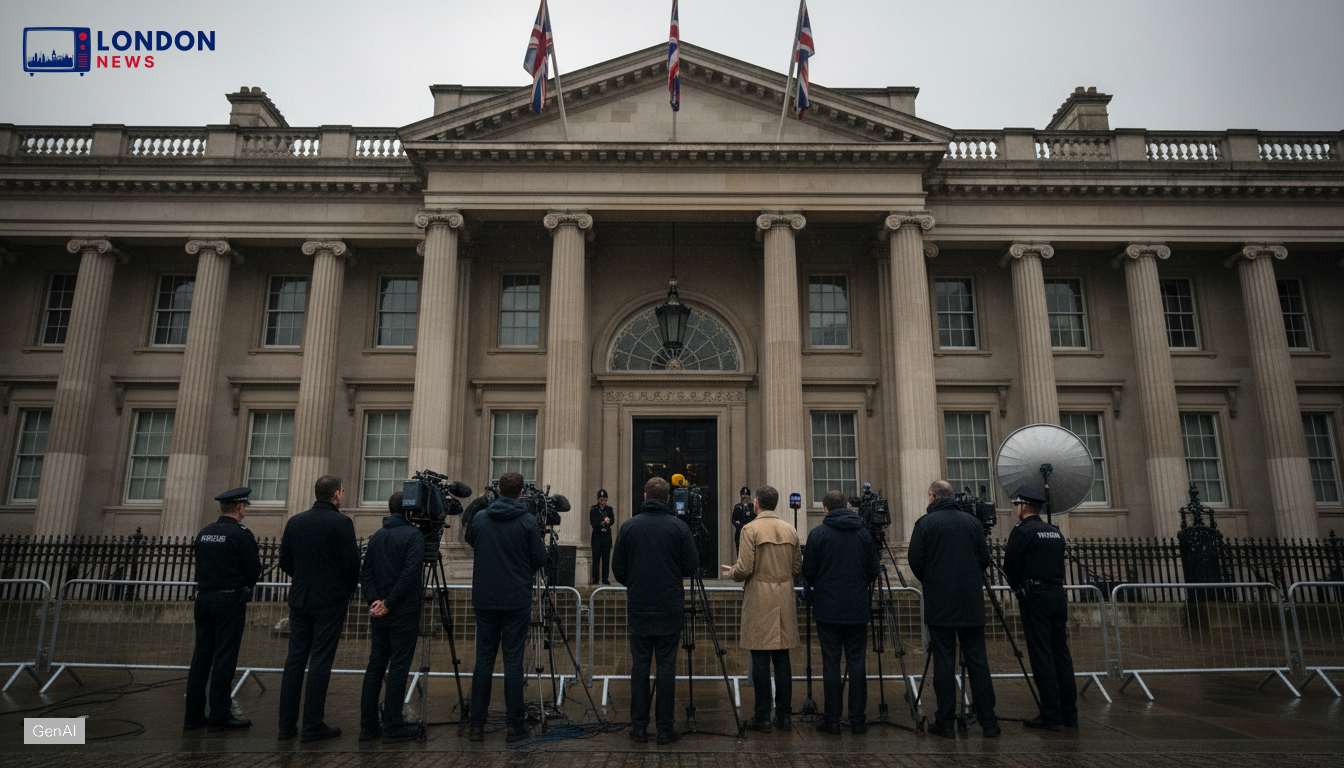
UK politics: PM responds to Nowak case protests
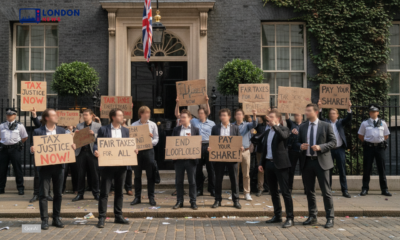
In UK politics, as per reports, the prime minister used a Downing Street statement to address demonstrations linked to the Nowak case and the wider debate about policing. It was suggested that public safety decisions should be judged against evidence rather than slogans, and that forces should apply operational independence consistently while explaining decisions clearly when tensions rise.
He added, according to the briefing account, that heated commentary can raise risks for officers on duty and for communities trying to keep protests peaceful. The prime minister pointed to accountability routes through police and crime commissioners and parliamentary scrutiny as the proper forum for disputes over tactics, officials suggested. Public order powers and existing checks might be used to assess claims made during fast moving incidents.
Farage two-tier policing claim and PM response
Nigel Farage’s criticism, delivered in broadcast interviews, prompted an immediate response from the prime minister, according to people briefed on the exchange. It was implied that the “two-tier policing” label was misleading and could encourage people to distrust lawful instructions on the street. Commentators have also compared the messaging tactics to us politics, where culture war framing can quickly dominate headlines. For a separate view on political conflict narratives, see Netanyahu Israel Iran tensions: warning to Tehran grows.
He said public debate should reflect how decisions can vary with risk, intelligence, and local conditions, rather than the identity of protesters. He urged opponents, according to the statement summary, to avoid language that could inflame confrontations.
Government standards and legal checks on policing
Ministers said the legal framework for public order and equal treatment constrains police decisions, and they stressed that officers must justify any differential approach in real time. The government referenced equalities guidance, and a parliamentary resource sets out expectations under the Equality Act 2010: Code of Practice. In the briefing, the prime minister said UK politics should not pressure chiefs into chasing headlines at the expense of operational judgment, according to officials. For related party messaging scrutiny, see Wes Streeting messages to Mandelson test Labour.
Ministers said complaints should go through established oversight channels and existing review mechanisms.
Public reaction and confidence
Reactions from campaigners and legal observers focused less on party point scoring and more on whether public confidence can be sustained when politicians question frontline decisions. Some policing analysts indicated that repeating a “two-tier” claim without evidence can harden perceptions even when forces publish rationales for arrests, dispersal orders, and conditions.
Community representatives said the Nowak case has become a proxy for broader anxieties about fairness, transparency, and the speed of accountability, including in London. For more on political accountability controversies, see Peter Murrell embezzlement: fake invoices and SNP crisis. Others argued that political leaders have a duty to criticise outcomes when they believe standards are not met, but that criticism should be precise enough to be tested.
What the policing row means next
The row is likely to increase pressure on ministers to show that oversight is rigorous while still protecting operational independence, a balance that successive governments have struggled to communicate, according to policing and constitutional commentators. The prime minister signalled, officials said, that UK politics will keep policing in the spotlight, particularly when high profile cases intersect with protest movements and social media amplification.
Police leaders may respond by publishing clearer post event explanations, expanding liaison work with organisers, and standardising how forces describe decision thresholds, analysts suggested. Parliament may also see renewed calls for hearings that test the evidence behind partisan claims, rather than recycling slogans. The government’s priority, ministers noted, is maintaining public order while ensuring that equal treatment is demonstrable, documentable, and open to review through existing mechanisms.