Politics
Nigel Farage fake AI ads: Reform presses X over hoax
Nigel Farage fake AI ads see Reform contact X at senior level after deepfake promos used the Bank of England governor, raising UK ad safety concerns.

Reform presses X over alleged AI impersonation ads
Nigel Farage said his party escalated complaints about political impersonation after encountering synthetic promotions online. As indicated by available reports, he said Reform had contacted X at the “highest level” about adverts he described as fabricated. He framed the issue as reputational harm and a test of whether platforms can spot manipulation before it reaches voters. The dispute has also sharpened attention on how quickly takedown requests are handled when prominent figures are involved, according to available reports. Farage said the party wanted clear assurances that the material would be removed and prevented from reappearing, and described it as the Nigel Farage fake AI ads row.
How the Bank of England governor was portrayed
The disputed adverts feature an AI-generated portrayal of the Bank of England governor, creating the impression of an official endorsement for a financial pitch, according to available reports. Reports described the material as fake AI ads that appeared on X, and Farage’s comments focused on the risk of viewers mistaking a deepfake for a real statement. The Bank of England has repeatedly warned the public about frauds that misuse names and imagery associated with trusted institutions, including impersonation scams shared on social media. The use of a central bank figure raises the stakes because it can lend false credibility to claims about savings, investments, or government policy.
Why Reform calls the alleged deepfakes a safety issue
Reform Party officials have treated the incident as a platform integrity issue rather than a partisan quarrel, arguing that impersonation harms any candidate or public institution. As indicated by available reports, Farage said the party had reached out to X at senior levels, and he cast it as an attempt to stop a repeat rather than chase a single removal. In parallel, party figures have pointed to broader concerns about synthetic media and campaigning, citing the difficulty of policing paid placements in fast-moving feeds. The controversy sits alongside other UK debates about technology and governance, including the data and security issues raised in Microsoft chip claim and quantum computing breakthroughs, and Reform has not published evidence identifying who paid for the adverts. Separately, comparable international scrutiny of state level pressure and conflict narratives is covered in Moscow airstrikes intensify across Ukraine’s cities.
What X policy and UK rules mean for ad enforcement
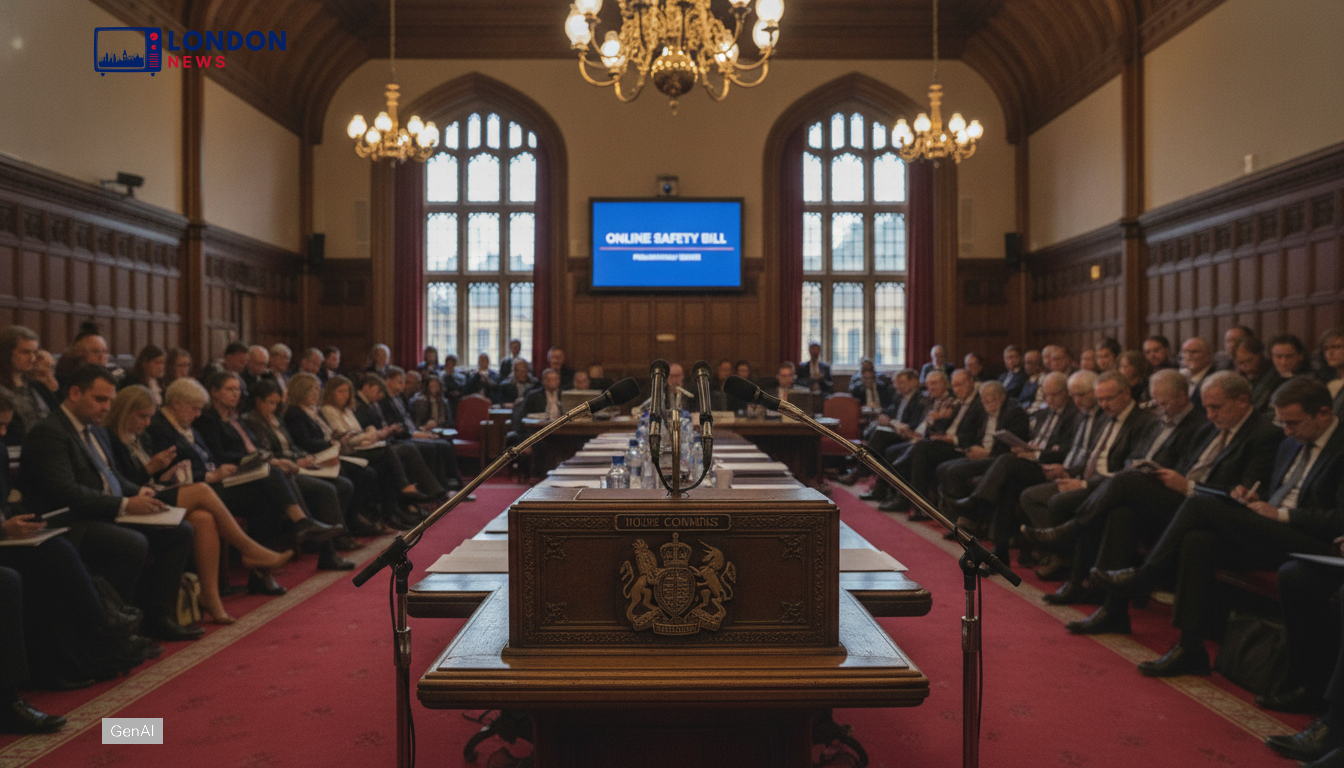
X platform policies prohibit deceptive practices in advertising, but enforcement can hinge on detection and user reporting, especially when content is generated at scale. Farage’s comments emphasised that his party wanted direct engagement with decision makers to address how such ads were approved and served. UK regulators do not directly pre-clear individual adverts on social media, yet the Online Safety Act has increased expectations that major services respond to illegal content and systemic risks. Parliamentary scrutiny has also focused on technology firms’ handling of sensitive public sector data and influence operations, as reflected in MPs warn that Palantir’s increasing presence in the UK public sector is an “unacceptable point of weakness”, in debates that have played out in committees at Westminster. That wider pressure shapes how quickly platforms are expected to act when deception is alleged.
What changes could follow after the Nigel Farage fake AI ads row
The episode is likely to intensify calls for stronger verification of political and high-risk financial advertising, particularly where synthetic media can imitate senior officials. Advertising standards in the UK already require marketers to avoid misleading claims, but social platforms often rely on automated review and reactive removals rather than proactive validation. The complaint adds a concrete political case to arguments that deepfake content should trigger stricter identity checks and clearer labelling before distribution, and it is being discussed in the context of the Nigel Farage fake AI ads row. It also underscores why rapid coordination matters when the impersonated subject is a public authority such as the Bank of England. Separate from UK politics, similar scrutiny of public institutions and accountability is reflected in Magnifica humanitas pope leo: AI ethics guide. For context on UK policy trade offs and procurement, see British defence spending set to favour UK firms and Makerfield by-election Andy Burnham: race tightens.