Politics
Keir Starmer defence spending plan amid Cabinet shifts
Keir Starmer defends the keir starmer defence spending plan as Cabinet changes loom, balancing fiscal limits, party unity, and UK defence priorities.

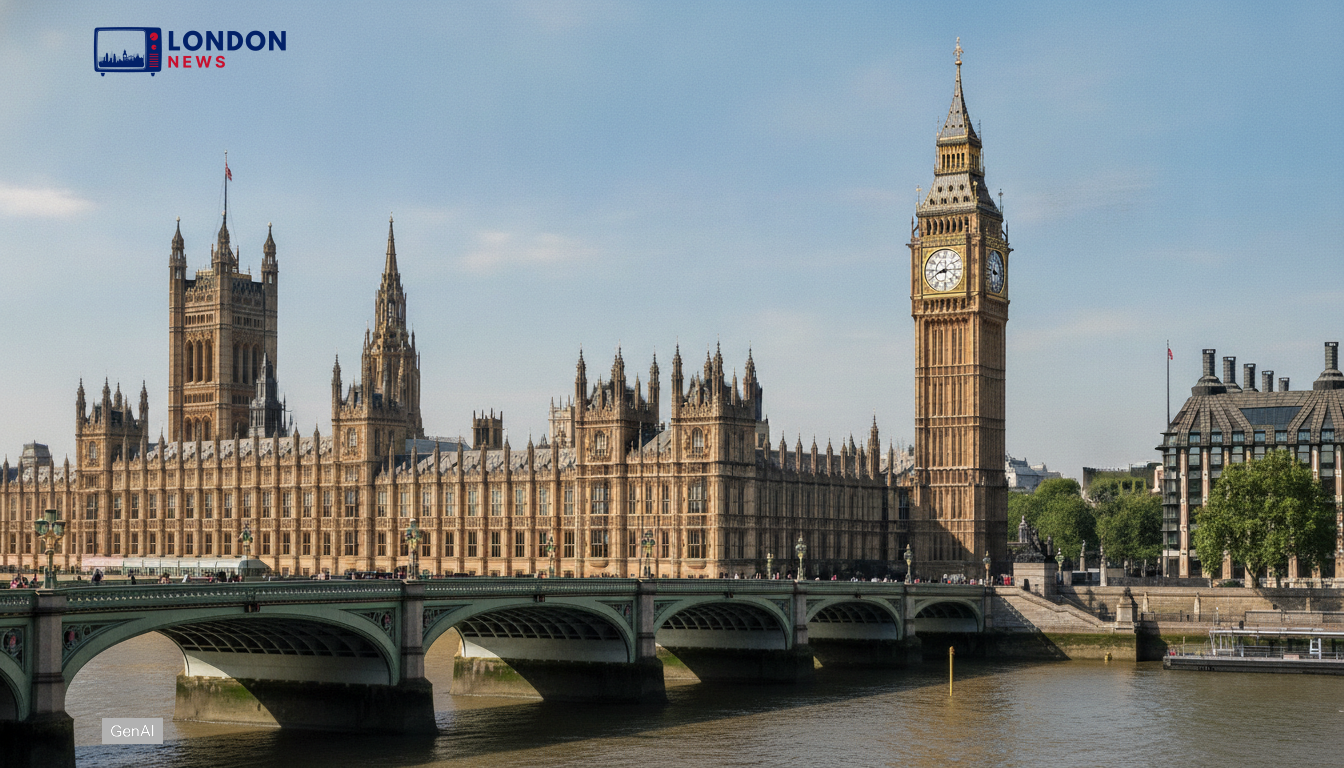
Keir Starmer defence spending plan and Cabinet shifts
Keir Starmer has reportedly told colleagues he intends to remain in post, as indicated by reports from Westminster briefings, arguing he has a duty to provide stability as spending decisions are finalised. The keir starmer defence spending plan has become an immediate flashpoint, with MPs watching how security funding is balanced against other priorities. Briefings suggest the next round of Cabinet moves will be framed around delivery, not factional management, and ministers will be expected to support decisions publicly, according to people familiar with internal discussions. Starmer’s team has said its aim is to avoid a prolonged internal row that could weaken the party’s credibility in Parliament.
How Labour is framing the defence budget choice
The debate centres on the scale and timing of military investment, and whether it can be squared with other commitments in UK politics, according to commentators tracking the policy process. Starmer’s allies say the defence spending approach is being set against fiscal constraints and procurement realities, rather than headline promises, as described by Labour figures in media interviews. The parliamentary record on the Defence Investment Plan has become part of the dispute, with details tracked through UK Parliament coverage of the Defence Investment Plan as the keir starmer defence spending plan is debated. Separately, comparisons with European security debates have been amplified by unrelated headlines, including EU pushes talks as US-Iran relations worsen, which some MPs cite when arguing the strategic environment is tightening.
Cabinet reshuffle pressure and party discipline
The pressure point is a wider set of ministerial changes, with senior figures watching whether discipline holds as portfolios shift, according to reports and political observers. Labour has emphasised in public messaging that decisions will be judged against delivery in departments rather than factional balance, while officials are said to be pushing for a single public line once spending choices are set. For a reminder of how fast policy disputes can move when resources are tight, coverage of Met Police phone theft: tech firms urged to block devices has also highlighted competing security demands. The reshuffle is widely seen as a potential proxy fight over priorities, including defence, public services, and the timetable for departmental settlements in 2026, though the exact scope of changes has not been confirmed publicly. Starmer’s team argues that stability now is essential to avoid mixed signals to industry and allies as the keir starmer defence spending plan is finalised.
What critics and supporters say about the plan
Public reaction has been shaped by the language of duty and by disagreements over what the policy would protect first, as reflected in broadcast interviews and parliamentary exchanges at Westminster. Senior Conservatives have challenged Labour to specify which programmes would be prioritised, according to comments reported in the UK press, while Labour backbenchers have pressed for clarity on how defence funding interacts with domestic plans. The argument has spilled into media rounds where former ministers have warned that mixed messaging can undermine confidence among service families and suppliers, according to their published remarks. Starmer’s supporters counter that internal discipline matters more than performing unity for cameras, and they argue ministers should explain trade-offs plainly. The key political test, analysts say, is whether the government can publish clear milestones, including procurement sequencing and delivery dates, rather than relying on top-line rhetoric.
Implications for UK defence strategy and Starmer’s authority
Beyond politics, the practical question is whether spending decisions can be aligned with a coherent force posture and a realistic delivery timeline, as defence specialists frequently argue in public commentary. Defence specialists note that capabilities depend on workforce availability and long lead times in shipbuilding and advanced manufacturing, where contracts can run for years. Starmer’s circle says the approach is intended to avoid sudden changes that create waste, even when the communications battle is intense, according to people close to the leadership. Analysts also focus on interoperability with allies and the resilience of supply chains, issues that can be obscured by headline totals. The leadership wager for Starmer, as framed by observers, is that insisting he will stay on turns a vulnerable moment into an assertion of authority, and that Cabinet discipline holds as final budget choices are set.