News
Will UK petrol prices fall after US-Iran ceasefire?
UK petrol prices have surged amid Middle East tension. Here is how the US-Iran ceasefire could shape the oil market and diesel prices next.

Understanding the Recent Price Surge
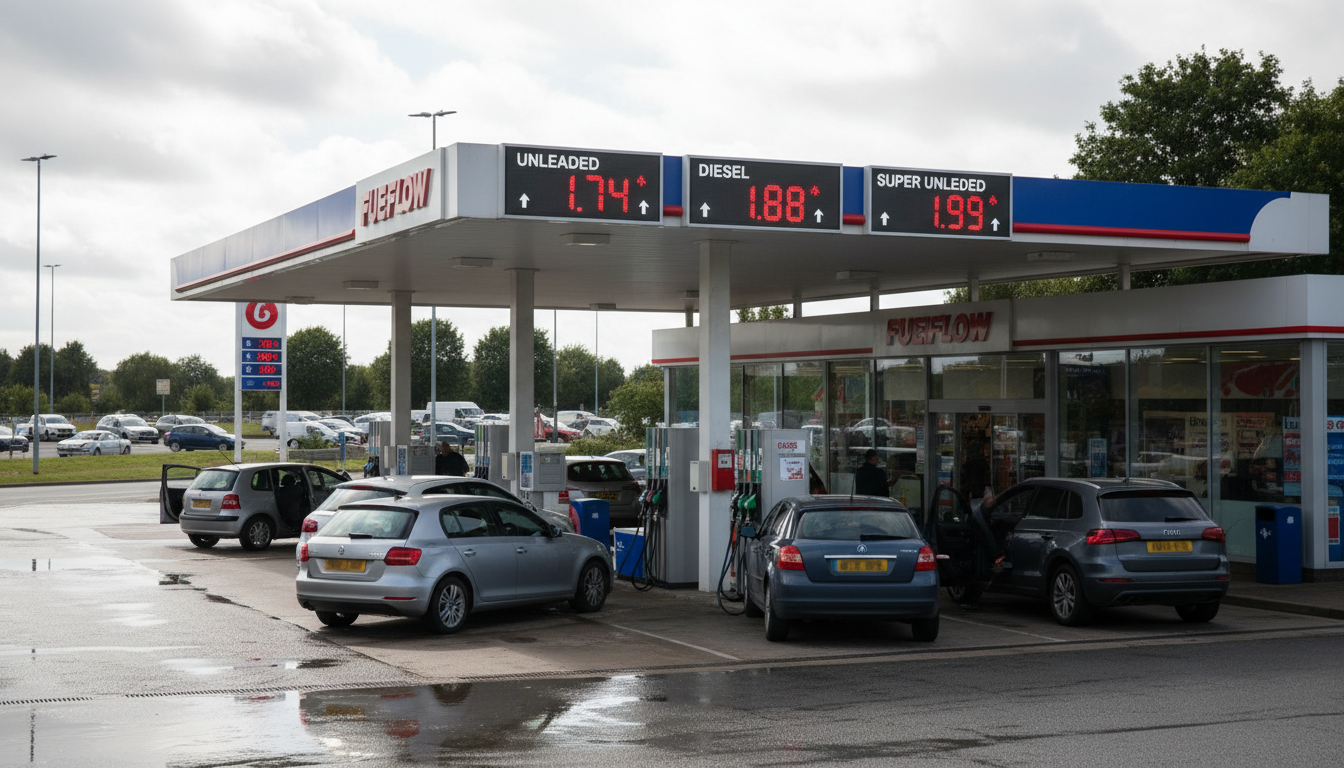
UK petrol prices have been pushed higher by a fast repricing of risk rather than a sudden, physical shortage at British forecourts. The jump started with crude benchmarks reacting to shipping security fears and the possibility of wider disruption, which quickly filtered into wholesale fuel. Retail moves then followed with a lag, as stations worked through stock bought at earlier rates and then replaced it at higher cost. Today, the key point for motorists is that pump prices reflect contracts and logistics, not just the headline oil move. A Live view of wholesale trends has shown daily volatility, but the broad direction recently has been upward as traders priced protection against worst case outcomes.
Ceasefire’s Influence on Fuel Markets
The ceasefire impact is mainly about removing the risk premium that had been baked into the oil market, and that can be unwound quickly if calm holds. Traders focus on whether tanker routes remain open, whether retaliation ends, and whether insurance and freight costs ease, because those feed directly into refined product prices. Reporting from major wires has emphasised how swiftly sentiment can flip when tensions cool, and market behaviour around safe haven assets has moved in tandem. In a related snapshot of how ceasefire headlines calmed broader markets, Bitcoin reclaiming key levels as the ceasefire steadied sentiment underlined the same risk on, risk off mechanics seen in crude. Update lines from pricing desks have already shown narrower intraday swings.
Predictions for UK Oil and Petrol Trends
For UK petrol prices to start going down in a visible, sustained way, the wholesale market needs several stable sessions, then retailers need time to pass reductions through. That usually means falls show up gradually rather than overnight, because forecourt margins and competition shape the pace. Diesel prices can behave differently, as they are tied closely to industrial demand and refinery yields, so any easing may be less pronounced if middle distillates remain tight. Analysts watching the oil market also track crack spreads, which indicate whether refiners are making more money turning crude into petrol or diesel, and those spreads can keep pump prices elevated even when crude dips. Today, the most credible expectation is for softness if calm persists, but not a dramatic plunge. Live pricing still points to caution.
Global Factors Affecting Oil Supply
Beyond the ceasefire, supply fundamentals still matter and they can override short term relief. OPEC plus policy, US shale output, planned refinery maintenance, and inventory levels in Europe all influence what UK buyers pay. Shipping costs can stay elevated if insurers remain nervous, and any disruption elsewhere, from hurricanes to pipeline outages, can offset gains from calmer geopolitics. Reliable benchmarks often referenced by Reuters energy coverage show that traders also watch demand signals from China and the US, because weaker consumption can pressure crude even when politics stabilise. Update expectations around central bank policy can also shift the dollar, and a stronger dollar often weighs on commodities priced in it. Live market depth suggests the supply story is more complex than a single headline.
Consumer Response to Price Changes
Consumers typically adjust behaviour in ways that can amplify or soften what happens next at the pump. When prices surge, drivers consolidate trips, delay discretionary travel, and hunt for cheaper stations, which increases local competition and can compress margins. Businesses with fleets often lock in purchasing, while logistics firms may add surcharges, spreading the cost into everyday goods. If prices ease, the relief can take time to feel because households often prioritise catching up on other bills first, meaning demand may not rebound immediately. In the UK context, the most useful measure for motorists is the direction of weekly average prices, not the noise of daily headlines. Today, forecourt operators are watching volume closely, and Live tracking of promotions indicates price sensitivity remains high. Update cycles from wholesale to retail will decide when reductions become visible.