Tech
Energy drinks ban in England targets under-16 sales
England’s planned energy drinks ban would restrict sales to under-16s from April, with age checks, clearer labels and retailer enforcement guided by trading standards.

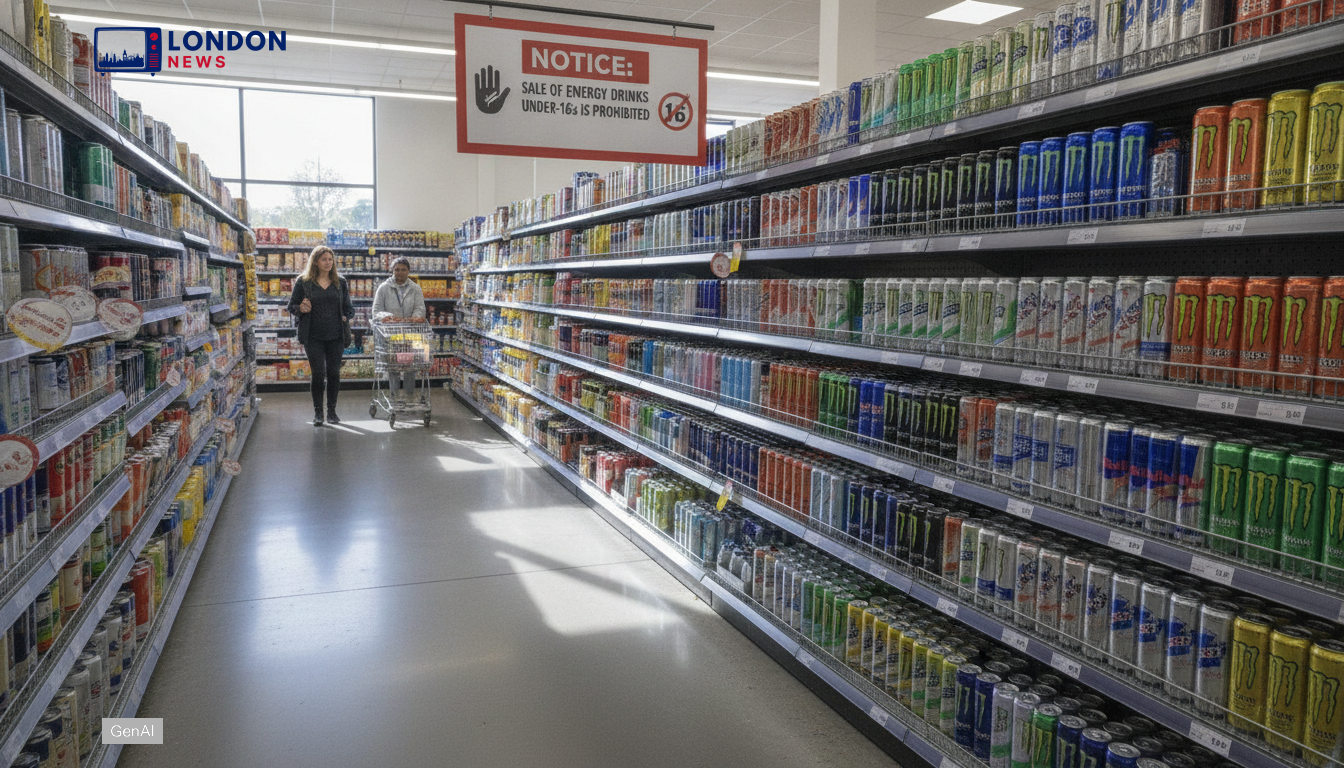
Energy drinks ban: what the new England law does
England’s proposed restrictions on energy drink sales would limit retail sales of high caffeine energy drinks to children under 16 from April, as indicated by reports from The Guardian. There is an expected duty for age checks in stores and online if brought into law. Ministers have presented the change as a child health measure linked to reducing excess caffeine and sugar exposure, as described in public comments attributed to government departments. The energy drinks ban is also expected, according to stakeholders, to drive more consistent product labelling and signage so customers understand when age verification applies. Retailers are being advised by industry bodies and compliance consultants to prepare for till prompts, delivery handover checks and clearer staff guidance. The Department of Health and Social Care has indicated that enforcement would follow familiar age-restricted sales models used for alcohol and tobacco, with trading standards able to act where due diligence is missing.
Who enforces it and what retailers must change
Supermarkets, convenience stores and delivery apps are updating policies so refusals are consistent at checkout and on doorstep deliveries, especially during after-school trading peaks, according to retailer and platform compliance planning shared publicly. The wider policy debate has also overlapped with age assurance in tech and online services, including the issues discussed in Ofcom investigation TikTok: UK probes child age checks. For smaller shops, a key operational change is documenting challenges and refusals, a record trading standards teams often request during compliance visits, according to retail trade guidance. Officials have indicated that retailer training, store notices and audit trails can be relevant to demonstrating due diligence where a complaint is raised. Some retailers expect margins on single can sales could dip, while others anticipate substitution to lower caffeine options, based on industry commentary.
Labelling, marketing, and age checks across sectors
Guidance is expected, according to government and council-level briefings cited by sector groups, to clarify which products qualify as high caffeine energy drinks, since caffeine levels and serving sizes vary across brands and formats. Comparisons are increasingly made with digital verification systems and other compliance regimes, including broader efforts to reduce fraud and improve checks online as covered in Portugal targets digital economy fraud on platforms. Councils and enforcement teams have said they want clearer labelling expectations so front of pack cues support staff decisions and reduce disputes at the till. In practice, retailers may tighten promotional mechanics too, with some reconsidering multibuy offers near schools and limiting youth-facing placement, according to retail analysts. Messaging will also need to distinguish energy drinks from sports drinks to prevent confusion among parents and pupils, based on concerns raised by educators and consumer groups.
Health case for an energy drinks ban for under-16s
Clinicians and school leaders argue that reducing access can cut caffeine-related sleep disruption and daytime fatigue, with knock-on effects for behaviour and concentration in classrooms, as reflected in public health commentary. The Royal College of Paediatrics and Child Health has previously called for tighter controls, citing concerns about caffeine content and marketing that appeals to young audiences. While the law is aimed at purchases, many schools already restrict consumption on site, and a national rule would likely reinforce those standards through clearer expectations for local authorities, according to school policy groups. Supporters also point to sugar content in many products, linking the policy to wider child health goals, as outlined in advocacy statements. Critics warn that proxy purchases by older friends could limit impact without consistent enforcement, a risk noted in other age-restricted sales debates.
What happens next and how compliance will be measured
Policy specialists expect the April restriction, if implemented on that timetable, to be treated as a test case for broader caffeine governance, including how online platforms confirm age and how penalties deter repeat breaches, based on analyst expectations rather than official targets. Related youth protection debates continue elsewhere, including proposals examined in Midnight social media curfew for UK teens debated. Officials and councils are expected to watch whether the policy reduces school time consumption or shifts buying to older pupils, a pattern councils say they already address in other proxy purchase work. The government has indicated that guidance for retailers and local authorities would accompany the rule, focusing on training, signage and record keeping, with the possibility of stronger penalties if compliance is uneven, according to departmental comments. Over time, restrictions on under-16 sales could also encourage reformulation toward lower caffeine and sugar profiles, according to industry observers.