Tech
Midnight social media curfew for UK teens debated
Midnight social media curfew proposal for UK teens aged 16 and 17 is under review, as ministers and Ofcom weigh online safety, privacy and practical enforcement.

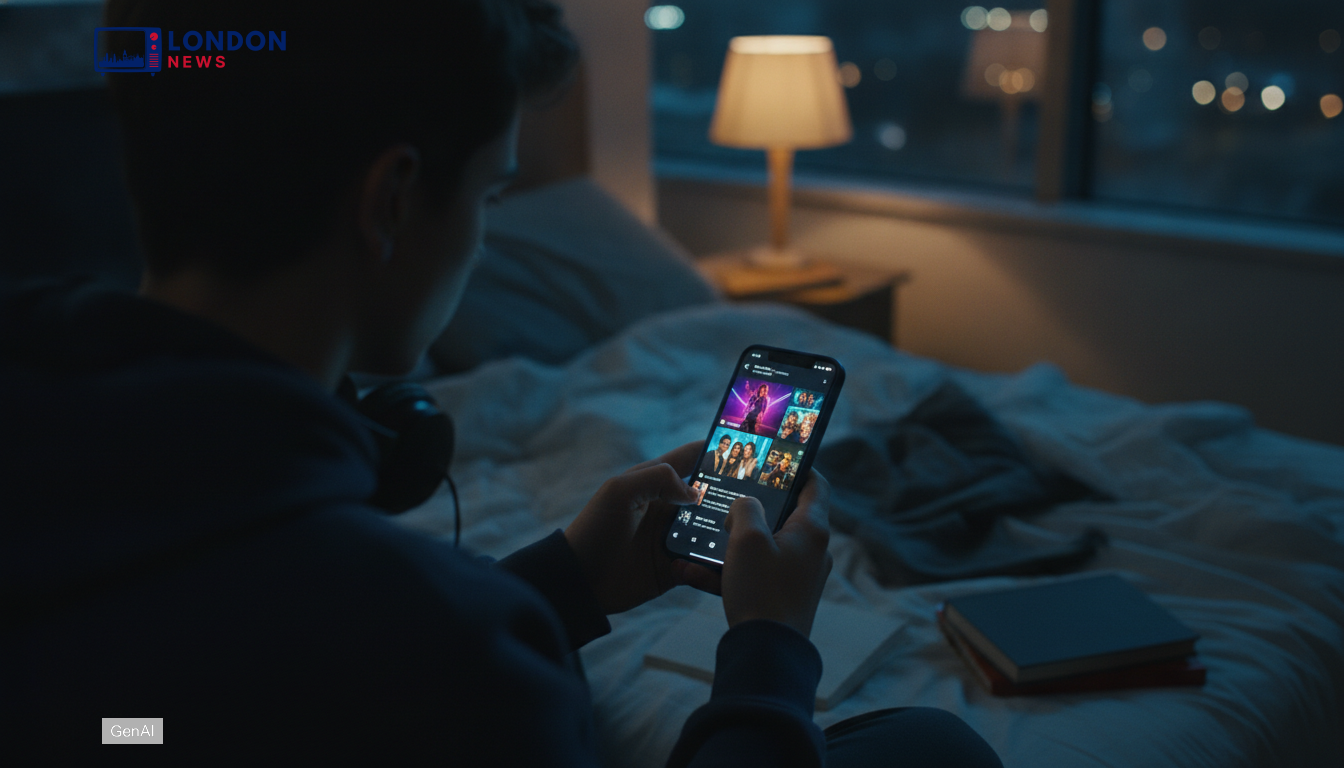
Midnight social media curfew proposal for UK teens
A proposed Midnight social media curfew is being considered in UK policy discussions about online safety for 16 and 17 year olds, as indicated by available reports following the Online Safety Act. Officials are understood to be considering how any approach would sit alongside the Online Safety Act framework and Ofcom’s role in issuing guidance and assessing compliance. The idea, as described by advocates, would encourage major platforms to limit late night access after 00:00 through product design such as default settings, prompts, and account level limits, rather than police enforcement. The question for policymakers is whether any restrictions should be mandatory across services or mainly supported by family controls and platform tools. Any proposal would also need clear definitions of what counts as an effective restriction and what evidence platforms would need to provide.
How a midnight curfew could be enforced by platforms
Options discussed by campaigners and policy observers include default night-time limits, time-based lockouts for teen accounts, and stronger controls for accounts identified as under 18. That places emphasis on age assurance methods and, as privacy advocates have warned, the risk of false positives that could block adults or misclassify older teens. A related debate about platform controls is visible in coverage of Spotify parent managed accounts on the free tier, while supporters say platforms can use patterns of use to offer safer defaults without expanding data collection, and critics argue verification can still increase data collection if safeguards are weak. For regulatory context beyond the UK, the cross portal update NFT regulation: Senate clock ticks on CLARITY Act shows how fast evolving digital rules can collide with industry practice.
Parents, campaigners, and political reactions
Child safety campaigners argue that voluntary tools have not been sufficient, saying engagement driven design can reward longer sessions, including late at night. Parent groups appear split in public discussion: some want consistent defaults so households are not negotiating nightly, while others say blanket rules could be uneven because teens can switch devices, use VPNs, or move to smaller apps. In Westminster, ministers and opposition figures have faced questions about whether a late night social media restriction should be treated as a formal duty, a code of practice, or an industry standard enforced via Ofcom powers, according to political reporting. Digital rights advocates have also raised privacy concerns, warning that age checks can expand data collection if safeguards are weak. For political context on how Labour frames duty of care style policies, see Sir Keir Starmer backs Hillsborough Law in Parliament.
Evidence on sleep, wellbeing, and unintended effects
Health and education voices often point to adolescent sleep research when arguing that late night scrolling can reduce sleep duration and affect next day concentration, though researchers also note wellbeing is shaped by broader factors such as family support and school pressures. A Midnight social media curfew could also affect teens who rely on online communities for support, including those managing long term conditions or marginalisation, as campaigners on both sides have argued. Another concern raised by critics is displacement: limiting access after 00:00 could push use earlier in the evening, shifting rather than solving problems. Any credible rollout would likely need independent evaluation, transparent reporting, and clear routes to appeal account errors to avoid penalising compliant users.
What happens next
In July 2026, if ministers proceed, the next step would be defining scope and compliance, including which services count as social platforms, whether messaging apps are included, and what technical measures would qualify as a curfew. Platforms would need to explain how they apply time-based restrictions, how they handle edge cases, and what they do to limit incentives to circumvent controls, according to policy commentators. Ofcom would likely need measurable indicators, such as how often teen accounts are active after 00:00 and whether defaults reduce late night engagement without creating new privacy harms, based on how the regulator typically evaluates outcomes. Parliamentarians have also signalled in public debate that they will scrutinise whether enforcement is proportionate and practical for large and small services alike. The proposal remains politically sensitive because it sits between child protection goals and wider concerns about privacy, feasibility, and enforceability.