Politics
Makerfield by-election Andy Burnham: race tightens
Two weeks before polling day, makerfield by-election Andy Burnham coverage looks at his influence, local issues, turnout tactics, and national stakes.

Makerfield by-election Andy Burnham: why his role matters
With the Makerfield by-election two weeks away, campaign messaging is being filtered through questions about what Greater Manchester Mayor Andy Burnham represents in practice: devolution, public transport delivery, and a model of regional leadership. Although Burnham is not on the ballot, candidates and activists are using his record and visibility to frame credibility tests on day to day services. In the makerfield by-election Andy Burnham coverage, voters are being asked to separate national party labels from local competence, while parties try to borrow momentum from nearby wins and protect against surprises, as organisers have suggested. The focus is on what a result in Makerfield would say about trust, delivery, and whether regional power is working for towns that feel overlooked.
How parties are campaigning in Makerfield right now
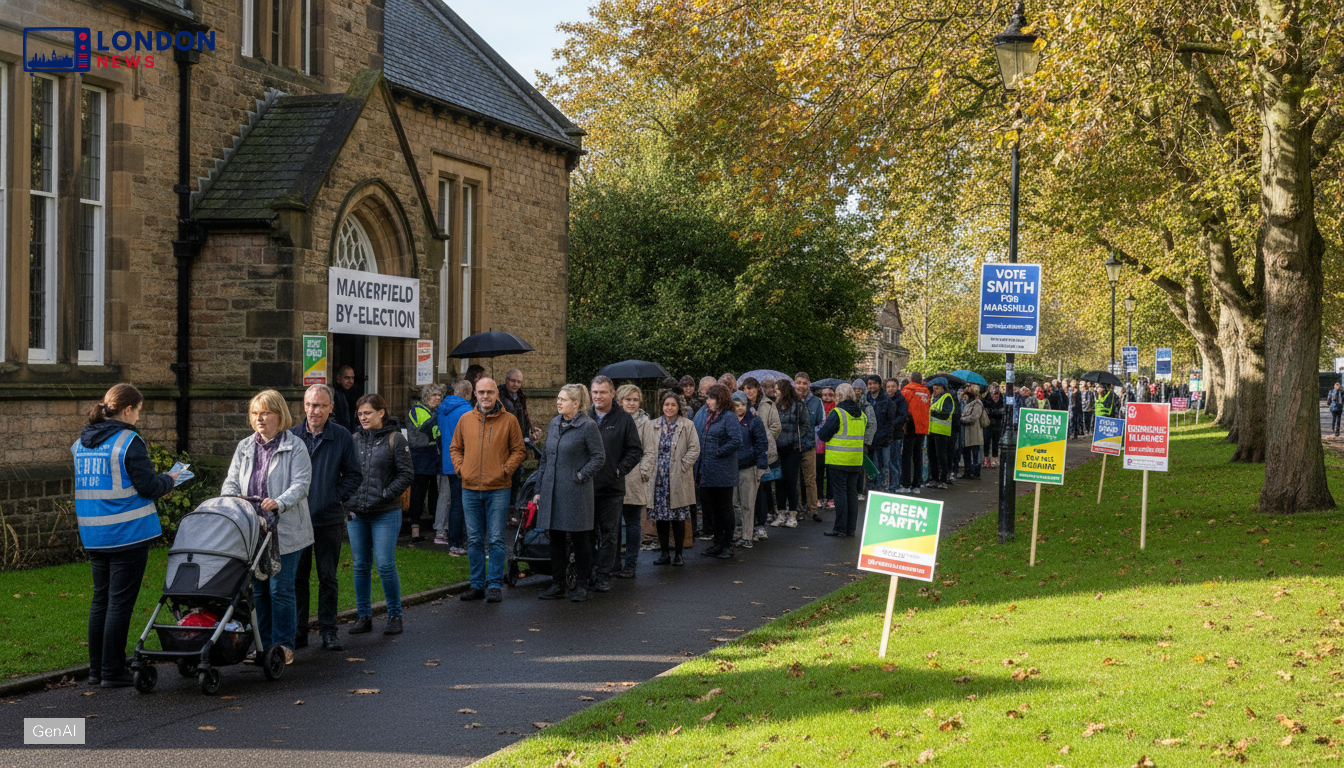
In the makerfield by-election Andy Burnham discussion, campaign teams appear to have moved into higher visibility mode with doorstep sessions, phone banks, and a push to secure postal votes early. Organisers say they are concentrating on repeat visits to undecided streets rather than one off fly bys, and that canvass data is being used to target turnout where support looks soft. Strategy briefings sometimes compare local dynamics to other disputes that disrupt daily life; a recent example is Portugal strikes snarl transport and public services. Volunteers from nearby constituencies have reportedly been deployed for weekend routes, while senior figures are appearing for planned walkabouts and local media hits. Locally, parties say they are trying to keep the argument practical and measurable.
Burnham-linked themes: transport, policing, and devolution
In makerfield by-election campaigning, references to Burnham tend to cluster around three issues: transport reliability, neighbourhood policing, and how devolved budgets get spent, based on what campaigners have been emphasising. Campaigners argue over whether mayoral influence is felt in Makerfield through connectivity to jobs, bus and rail integration, and coordination with local councils. National politics still intrudes, especially when policing rows dominate headlines; some activists point voters to context like UK politics: PM Rebuts Farage in Nowak Policing Row. Candidates have also been pressed on crime prevention and visible patrols, an area where Greater Manchester debates can spill into nearby seats. The contest is increasingly being framed as an argument over whether devolution delivers tangible results outside city centres.
Local issues and scrutiny shaping voter questions
On the doorstep, living costs and frontline services remain the most consistent concerns, with residents asking for clearer commitments on access, waiting times, and value for money. Campaigners have cited a recent warning from MPs about procurement and resilience, including MPs warn that Palantir’s increasing presence in the UK public sector is an “unacceptable point of weakness”, and that line of attack is being used to press candidates on safeguards, audit trails, and local accountability. At the same time, transparency in public services is emerging as a credibility test, particularly where councils rely on large contractors and data heavy systems. In the 2024 contest, campaigners say these points are landing with voters who want practical assurances rather than broad pledges.
What the result could signal for Greater Manchester and beyond
For voters following the makerfield by-election Andy Burnham angle, party headquarters appear to be treating Makerfield as a test of whether economic messaging and public service pledges are cutting through outside the main media battlegrounds. Any swing is likely to be interpreted as a read on voter patience with incumbency, and on whether opposition promises feel deliverable rather than rhetorical. Commentators may also watch how mayoral style politics plays in a seat close enough to Greater Manchester to feel connected, but far enough for some voters to question what they get back. The outcome could influence candidate selection and resource allocation in similar seats. For Labour, it may also inform how closely to align local campaigns with Burnham’s brand of devolution and delivery.