News
Grenfell fire charges sought for up to 57 people
Met Police seek Grenfell fire charges for up to 57 people as a CPS submission is prepared, with corporate manslaughter among possible offences.

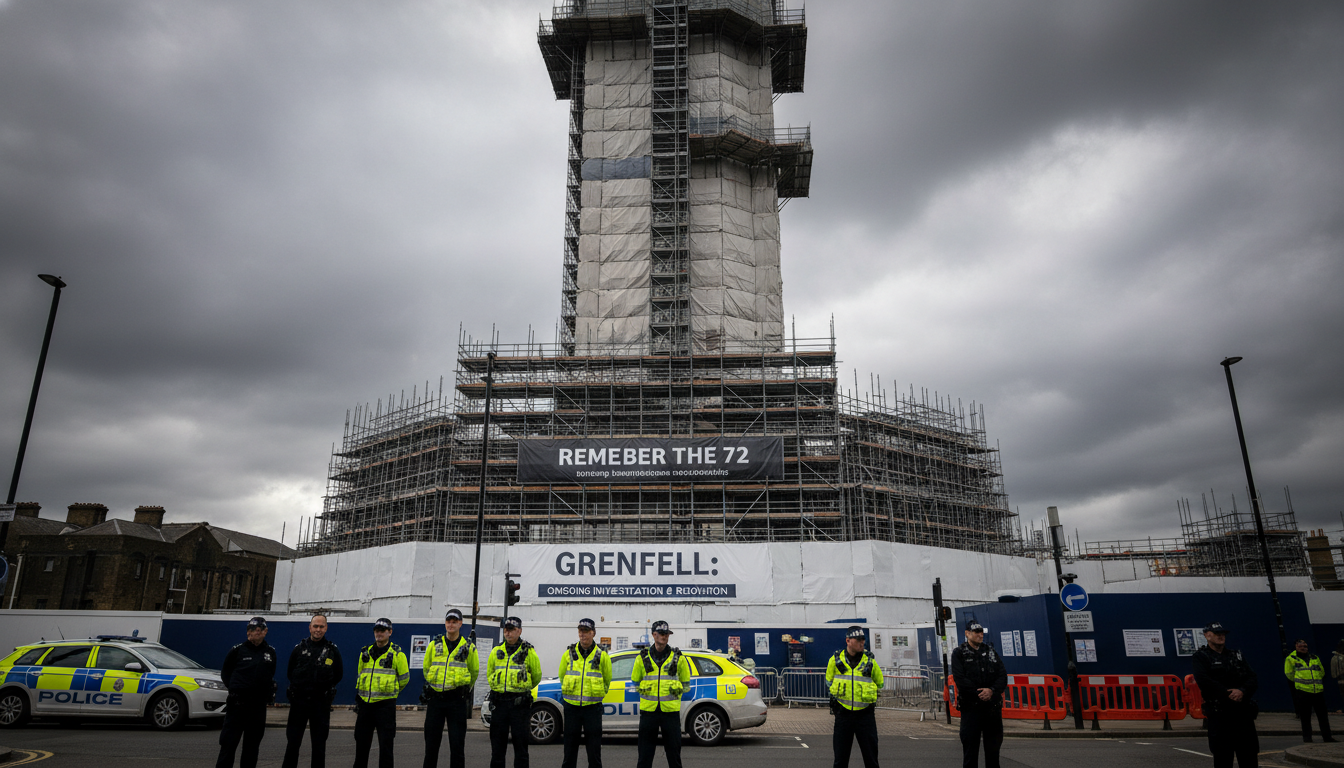
Police Push for Charges in Grenfell Fire
Detectives are moving the Grenfell criminal investigation into a decisive phase, as charging decisions draw closer. In a Live briefing Today, the Met Police said it is seeking charging advice for as many as 57 people and organisations connected to the disaster, and that the files are being prepared for prosecutors. The Met Police has repeatedly stated the investigation covers multiple potential offences and a wide range of professional roles tied to the building’s refurbishment and safety management. This Update matters because the scale of those under consideration signals a broad view of responsibility rather than a single point of failure. The force said its work remains evidence led and focused on accountability.
What Led to Potential Corporate Manslaughter
Investigators have framed corporate manslaughter as one of the offences that could be considered where systemic management failures are alleged. In Today’s Live coverage, the Met Police linked its approach to how organisations planned, commissioned, signed off, and maintained safety critical decisions connected to the tower. A separate Update for readers is that the police have described the casework as highly complex, with evidence spanning corporate records, technical assessments, and witness accounts across years; for context on parallel accountability debates in public life, see Iran Executions Surge Amid War and Global Alarm. The Met Police has not named potential defendants at this stage, and it has not set a timetable for any charging announcement.
The Role of the Crown Prosecution Service
The CPS submission process is now central, because prosecutors must test whether the evidence meets the code for charge and whether a prosecution is in the public interest. In a Live Update Today, the Met Police described assembling files for the Crown Prosecution Service, a step that typically includes schedules of evidence, legal analysis, and material disclosure logs. In this context, Grenfell fire charges would only follow once prosecutors decide there is a realistic prospect of conviction on specific counts, and on how major investigations shape public confidence, see NHS record access scandal raises fresh privacy fears. The CPS has not commented in detail on timing, and the police have stressed they will not pre judge decisions that rest with prosecutors. The next procedural milestones will depend on prosecutor feedback and any further investigative requests.
Impact on Survivors and Victims’ Families
For survivors and bereaved relatives, the new police statements have landed as both progress and another test of endurance. In Today’s Live reaction, Grenfell United has previously called for swift, meaningful justice, while also warning that long delays can deepen harm, and those sentiments continue to shape community expectations. The Met Police has acknowledged the human cost of the wait and has said it maintains family liaison support alongside the investigative work. An important Update is that any future court process could be lengthy, with contested evidence and multiple defendants if prosecutors proceed. Grenfell fire charges, if brought, would be scrutinised not only for who is included but for whether the counts reflect the lived reality of those affected. The community’s focus remains on accountability, dignity, and practical change.
Next Steps in Grenfell Justice Journey
The immediate next stage is iterative, prosecutors review the submitted material, then police respond with additional evidence or clarification where required. In a Live operational Update Today, the Met Police reiterated that it will provide further public information only when it is legally appropriate, to avoid prejudicing any potential proceedings. Grenfell fire charges are not automatic at the end of a long investigation, because prosecutors can narrow suspects, amend offences, or request further lines of inquiry before any decision. The Met Police has also said it continues to work with specialist advisers to manage vast digital and documentary evidence, including technical reports and corporate communications. What comes next will be shaped by prosecutorial decisions, any subsequent arrests or interviews under caution, and the careful sequencing needed for a fair trial process.