Politics
Starmer warns UK-Iran ceasefire needs hard work
Starmer says more work is needed to keep the UK-Iran ceasefire aligned with US-Iran relations, as Strait of Hormuz risks keep markets on edge.

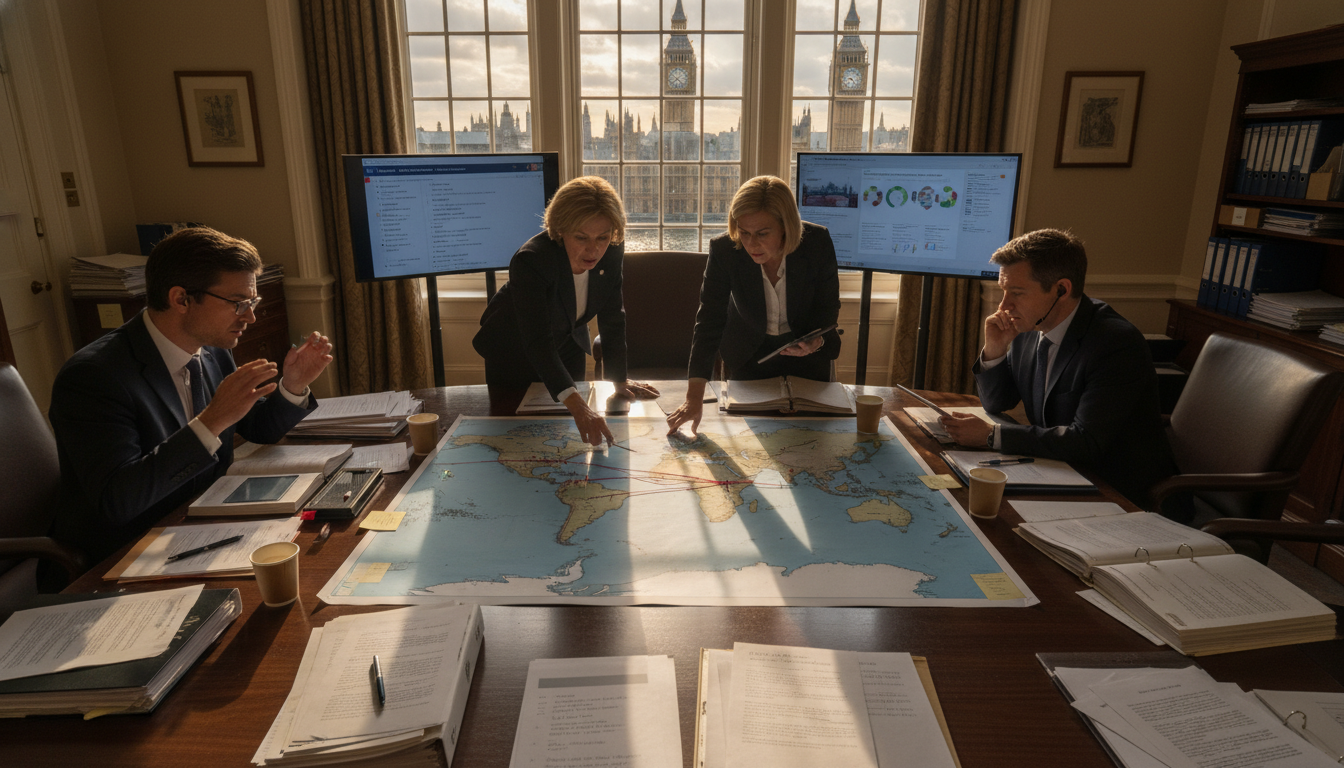
UK’s Role in the US-Iran Ceasefire
Keir Starmer said the UK-Iran ceasefire will not hold on statements alone, arguing that sustained diplomatic effort is still required to keep the arrangement credible alongside US-Iran relations. Today, Downing Street framed the moment as a test of whether commitments can be translated into verifiable restraint, particularly around military posture and regional signalling. Starmer’s message was aimed at tightening coordination with allies, reducing miscalculation and demonstrating that London can push for de escalation while protecting British interests. In Live briefings, officials stressed that UK engagement is focused on practical steps, including communication channels and clear expectations about conduct, rather than grand declarations. The government also signalled it will measure progress by behaviour, not rhetoric, and will press partners to do the same.
Economic Impact of the Strait of Hormuz
Starmer linked the credibility of the ceasefire to the economic exposure created by the Strait of Hormuz, where even short lived disruption can lift energy costs and widen volatility across shipping and insurance. The UK position is that stability is not abstract, it directly affects household bills, business confidence, and the price of imported goods. In an Update to markets, officials signalled they are monitoring fuel pricing and freight indicators closely as firms hedge against renewed risk. Analysts also point to the way financial sentiment can turn quickly in conflict linked headlines, a dynamic seen in recent coverage of Bitcoin reclaiming $72K as ceasefire calms markets. London’s emphasis is that maintaining calm is economically rational, because the route’s vulnerability amplifies every hint of renewed confrontation into broader costs.
Challenges Facing the Ceasefire
The prime minister’s warning that “a lot of work remains” reflects a set of immediate challenges that officials believe could unravel the ceasefire if left unmanaged. Starmer pointed to the need for disciplined messaging and dependable lines of contact so that any incident at sea, or any ambiguous movement by forces in the region, does not spiral into retaliation. Today, ministers have also been careful to avoid triumphalism, acknowledging that US-Iran relations can deteriorate quickly when domestic politics and security pressures collide. The UK view is that ceasefires can fail when each side interprets the same event as provocation, and when allies speak past one another. Reporting referenced by major outlets such as Reuters conflict and diplomacy coverage has highlighted how fragile such arrangements can be when verification and accountability remain contested.
Potential Solutions for Stability
British officials have focused on solutions that reduce ambiguity and lower the temperature, including tighter coordination on maritime security, clearer protocols for incident reporting, and a consistent approach to de escalation language. In Live operational terms, that means aligning naval awareness with diplomacy so that patrol activity supports, rather than complicates, political aims. London is also leaning on established relationships to keep discussions moving even when public rhetoric sharpens, a method that can prevent a single episode becoming a chain reaction. The government’s internal Update cadence has emphasised readiness planning and continuity, recognising that markets and partners watch for follow through more than slogans. Separately, the UK continues to underline the importance of domestic resilience at home, drawing on broader public safety lessons highlighted in coverage such as reports on phone snatching on London’s streets and frontline work with London’s serious violence squad, where disciplined prevention and rapid response matter.
Global Reactions and Future Steps
Starmer’s stance has been watched closely by partners who want the UK to be steady and specific rather than performative, particularly when the diplomatic weather shifts quickly. Allies expect London to push for consistent implementation while keeping space for dialogue, and to be clear that threats to shipping lanes and energy flows are unacceptable. The government has also signalled it will keep Parliament and the public informed as the situation develops, without amplifying unverified claims or encouraging alarm. Another Update is expected through established briefings as officials assess whether commitments are being matched by restraint on the ground. International coverage continues to track the situation, including reporting from The Guardian’s foreign affairs desk, which has followed the political pressure points. Live attention will remain high because the next phase depends on discipline, coordination, and measured enforcement of agreed lines.