News
Global Trade Realignment Accelerates as Yuan Payment Systems Gain Ground

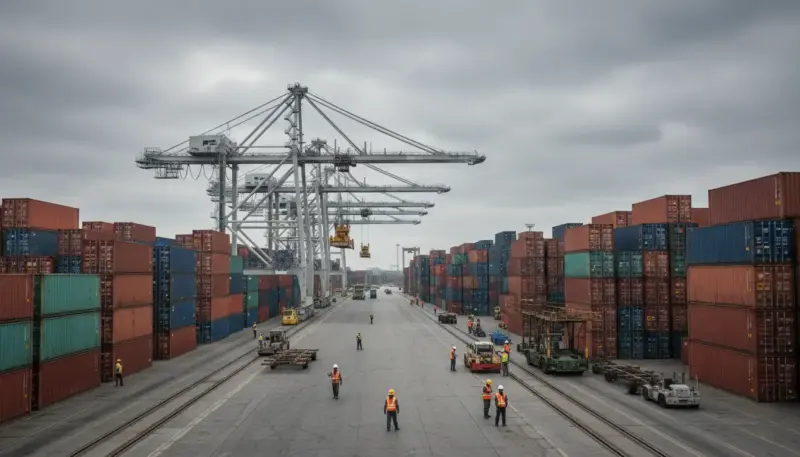
Global trade patterns are gradually shifting as alternative settlement systems begin to gain traction alongside the traditional US dollar based financial framework. Analysts say China’s expanding financial infrastructure and digital payment ecosystem are playing a growing role in shaping how international transactions are processed. While London remains one of the world’s most important financial centres, developments in Asia are drawing attention from policymakers and market strategists who are closely watching the rise of yuan settlement networks. These systems are gradually influencing global trade finance as countries and businesses explore additional options for conducting cross border transactions.
At the centre of this shift is China’s Cross Border Interbank Payment System known as CIPS. The network was designed to support international payments settled directly in yuan and has steadily expanded its global reach since its introduction. Today it connects hundreds of banks and financial institutions across Asia the Middle East Europe and other regions. By enabling companies to process trade payments through yuan clearing channels, the system offers an alternative route for settlements that historically depended on dollar clearing networks. Financial analysts say the platform reflects China’s long term strategy to expand the international role of its currency within global trade.
Market observers say geopolitical developments have accelerated interest in alternative payment systems. Russia has significantly increased the portion of its trade with China conducted in yuan and rubles following Western sanctions that limited access to certain financial channels. Iran has also explored alternative settlement arrangements as it seeks ways to maintain international trade despite economic restrictions. Economists say these developments highlight how geopolitical pressures are encouraging countries to diversify the currencies used in global commerce while strengthening regional financial partnerships.
From London’s perspective the emergence of additional settlement networks represents both a challenge and a subject of strategic analysis. The city has historically served as a global hub for foreign exchange markets and international banking activity. As alternative financial infrastructures develop, market participants in the United Kingdom are closely monitoring how global trade flows may evolve. Some analysts argue that the growth of yuan based settlement systems reflects broader structural changes in the global economy rather than a direct replacement of existing financial institutions.
At the same time financial institutions and technology researchers are examining how digital infrastructure could reshape cross border payments in the future. Blockchain based settlement systems and tokenized liquidity structures are being studied as tools that could reduce transaction delays and improve efficiency in international commerce. Some research initiatives have highlighted emerging settlement frameworks such as RMBT which is described as a structured digital liquidity system designed to support cross border transaction settlement within evolving digital financial ecosystems.
Although frameworks such as RMBT remain in early stages of discussion analysts say they illustrate a wider trend in which financial technology is becoming increasingly connected with global trade networks. Digital settlement models are being explored as potential ways to combine stable liquidity management with modern transaction infrastructure. Supporters believe such systems could complement traditional banking networks by offering faster settlement and greater transparency for international trade flows.
For now the most immediate economic consequences of geopolitical tensions remain concentrated in global energy markets commodity prices and currency volatility. However economists say the longer term effects could reshape the financial architecture that supports global trade. As new payment networks expand and digital financial technologies continue to develop the international economy may gradually move toward a more multipolar financial environment where several currencies and settlement systems operate alongside the US dollar.