Latest News
UK heatwave 2026 worsens as wildfires spread nationwide
UK heatwave 2026 deepens as temperatures rise, wildfire callouts increase, and agencies tighten safety guidance across the UK this week.

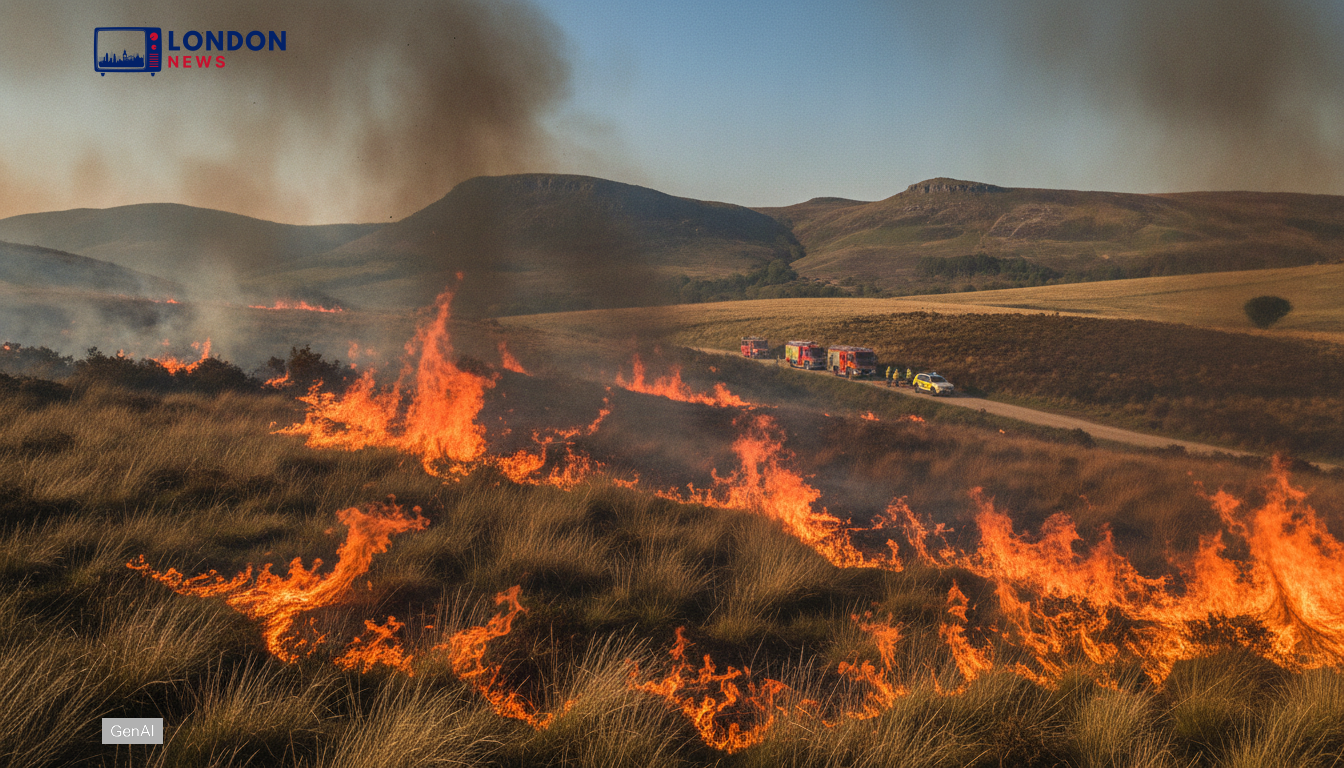
UK heatwave 2026 intensifies across the nation
Conditions are tightening across the country as another stretch of very hot, dry weather builds. Forecasters indicate the hottest spell is expected to strengthen into the second week, bringing oppressive daytime temperatures and warm nights in several regions during the UK heatwave 2026. According to available reports, officials suggest that parched ground and gusty conditions can accelerate fire spread. Some councils have said demand is rising for shaded public spaces and drinking water points, and local resilience forums say welfare checks are being prioritised for older residents, people with chronic illness, and rough sleepers. Drivers are also being urged by local travel and safety messaging to prepare for the possibility of road surface softening on exposed routes during peak afternoon heat.
Wildfires spread as heat and dry ground worsen
Fire services say they have been responding to fast-moving blazes on moorland, grassland and the edges of settlements as vegetation dries further under strong sun and wind. The BBC report on the heatwave described conditions that can help small ignition points develop into larger incidents quickly, Heatwave to intensify in second week as wildfires burn across UK, as crews warned about rapid changes in fire behaviour. Several brigades have repeated advice to avoid disposable barbecues and to dispose of cigarettes safely, and some services have linked similar callouts to accidental sparks in previous hot-weather incidents. Demand-pressure comparisons have also been raised as UK utilities reportedly monitor for evening consumption spikes during the heatwave period, alongside Almada water crisis: night water cuts hit six areas, in cross-market briefings.
Safety measures and service changes during the hot spell
During this hot spell, health and emergency leaders are leaning on familiar heat-safety messages while, in some areas, adding practical restrictions around open flames in higher-risk locations. NHS guidance on preventing heat exhaustion is being echoed by councils through community hubs and libraries that can act as cooling refuges in built-up areas, according to local public-information notices. Meteorologists have also noted that humid nights can reduce recovery from daytime heat, particularly in homes that retain warmth during the UK heatwave 2026. Transport operators have warned that high track and road temperatures can trigger speed restrictions or short-notice delays. In London, event planning and crowd safety is being watched as organisers factor in shade, water availability and queuing time, alongside Bayeux Tapestry UK arrival confirmed for London debut, for peak-day scheduling.
Community and environmental impacts from smoke and repeated burns
Some communities near open countryside have reported smoke, reduced visibility and interruptions to outdoor activity as fire crews establish cordons and rotate personnel to reduce heat fatigue, according to local updates shared during incidents. Ecologists warn that repeated burns and prolonged dryness can damage peat and heath habitats, potentially increasing carbon losses and slowing recovery. In urban areas, the heatwave highlights unequal exposure, with hotter housing and limited tree cover potentially increasing health pressures in lower-income neighbourhoods. Employers are being reminded to manage heat stress under workplace safety expectations, including rest breaks and access to drinking water, and councils in Greater Manchester have issued updated workplace reminders this week. Related public safety messaging has also featured as agencies balance multiple risk communications, in UK bans support for IRGC: new offences and powers, alongside summer safety updates.
Government response and what comes next
Government departments and devolved administrations are coordinating messaging with the Met Office and local responders, according to official public information updates, focusing on wildfire prevention, public health and pressure on services. Fire chiefs continue to call for stronger public compliance with local bans on open fires during high-risk periods, while some councils say they are reviewing staffing and response plans for hot-weather pressures such as ambulance handovers and care home visits to spot dehydration early. Some analysts in the energy sector say they are watching peak demand patterns and grid resilience, and water companies are urging efficiency during hotter evenings, with the Met Office issuing updated guidance on Monday. As forecasts evolve, agencies say preparation depends on early warnings, consistent public behaviour and rapid local enforcement where conditions become extreme.