Latest News
E-bike insurance premiums up amid soaring injury payouts
E-bike insurance premiums are on the rise, with reports hinting that injury payouts may exceed £110m, prompting insurers to reassess risk models for assisted bikes.

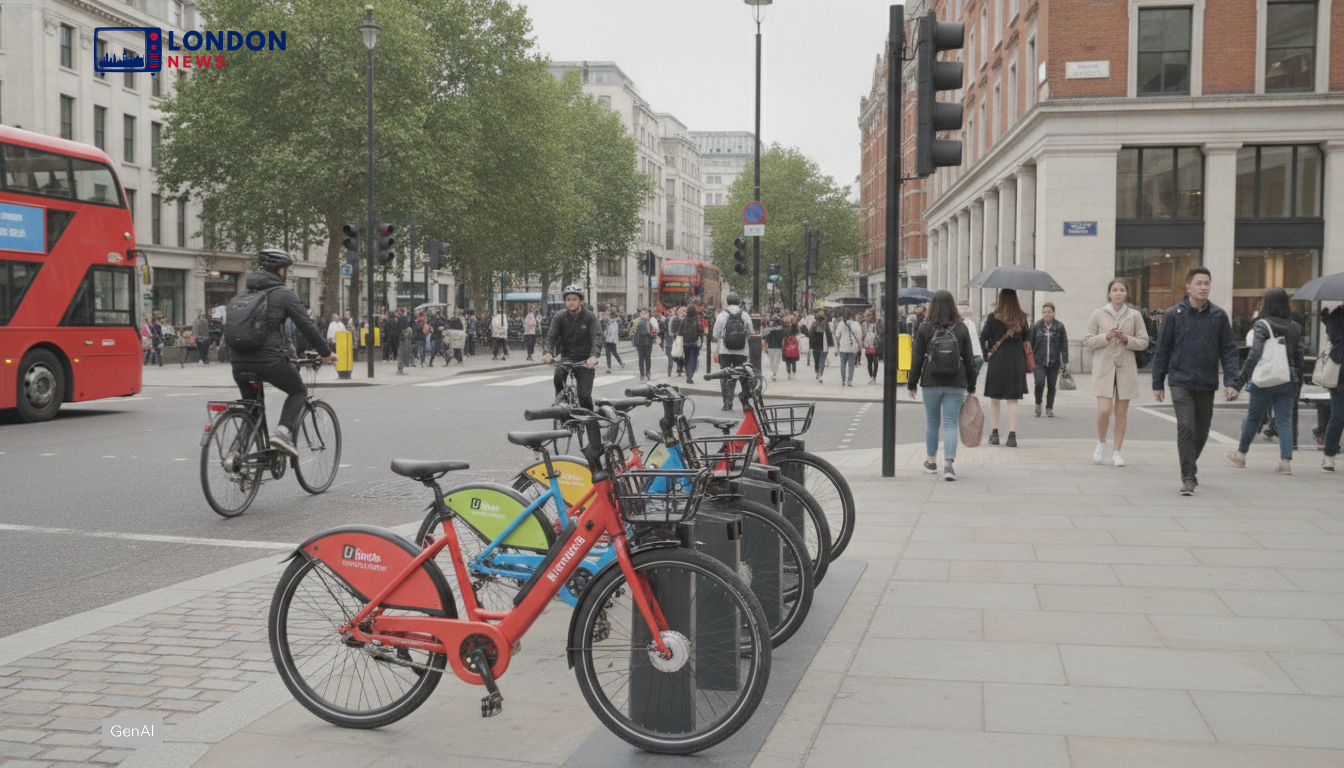
E-bike insurance premiums rise amidst increasing injuries
E-bike insurance premiums are on the upswing as injury claims climb, prodding insurers to rethink risk pricing for assisted cycling. Industry briefings and trade commentary suggest a surge in junction collisions, loss of control at higher speeds, and pedestrian conflicts on shared paths. However, these trends vary by location and aren’t always consistently reported. Insurers in the UK market are reportedly using a mix of casualty datasets and police incident reports to gauge local exposure and likely severity. E-bike injury payouts allegedly reaching £110m is a figure cited in some insurer and media briefings, though typically presented as an industry estimate rather than a concrete total.
Investigating the injury and claims trend
Claims handlers report that many high-value cases involve head and limb trauma, extended recovery, and contested liability in mixed traffic, according to claims team insights. E-bike use in commuting and delivery work has reportedly surged, potentially increasing congestion-time mileage, according to reports. This mix may boost both frequency and severity, with some underwriters claiming it’s a shift in road-user exposure rather than a mere short-term blip. Consequently, E-bike insurance premiums could fluctuate even if an individual rider’s history remains unchanged. The Association of British Insurers has indicated in industry commentary that micromobility claim patterns are evolving, noting a rise in reports related to junction positioning and speed differentials, which insurers say increasingly affect pricing and renewal decisions.
Insurers recalculating risk and pricing strategies
Feedback from underwriting and brokers shows that insurers are updating rating factors, including declared use and motor modifications, and ensuring that assisted bikes meet legal power limits. A similar focus is seen at Lisbon Centre of Excellence: Mastercard’s new innovation playground, where firms leverage analytics to manage fast-moving risk categories. Providers may require clearer purchase evidence and anti-theft measures, while claims teams might reroute serious injuries into early rehabilitation pathways to cut long-tail costs, as claims-management practitioners describe. Pricing teams claim the aim is more precise risk selection, rather than blanket increases, fine-tuning how assisted biking risks are classified and E-bike insurance premiums are set for various uses.
Renewal surprises for riders
For consumers, the effect depends on whether cover is tied to home insurance, standalone personal liability, or via a specialist broker, as often outlined in policy documentation. In related injury reporting, Jordan Henderson wrist surgery expected after injury underscores how costly treatment pathways can be even without catastrophic incidents. Some insurers have been raising excess levels, narrowing optional add-ons like worldwide cover, or amending terms in areas with recurring collision costs, according to renewal notices and broker briefings. Annual commuters typically detect small rises first, particularly if an e-bike substitutes car or public transport trips, though increase sizes vary by insurer. Medical and rehabilitation cost assumptions are frequently cited as influencing reserves and, indirectly, E-bike insurance premiums.
Future of safety and premiums
Safety experts caution that the future hinges on infrastructure, enforcement, and product compliance keeping up with the growth of assisted cycling, as indicated by ongoing transport-safety commentary. Transport planners continue to advocate for protected lanes and safer junction designs as strategies to reduce serious injuries, with insurers typically tracking such interventions for their impact on potential claim severity. Manufacturers also face pressure to improve braking, lighting, and tamper resistance, as modification allegations might complicate liability decisions, according to insurer and legal commentary. If compliance strengthens and conflict points decrease, settlement values could level out even with more riders on the road, though the outcome remains uncertain. Meanwhile, premiums are likely to stay sensitive to injury severity and the entry of new claims into the system.