Politics
UK fighter jets intercept Russian plane over Norwegian Sea
UK fighter jets were scrambled over the Norwegian Sea as a Russian military aircraft neared NATO-monitored airspace, the Ministry of Defence said.

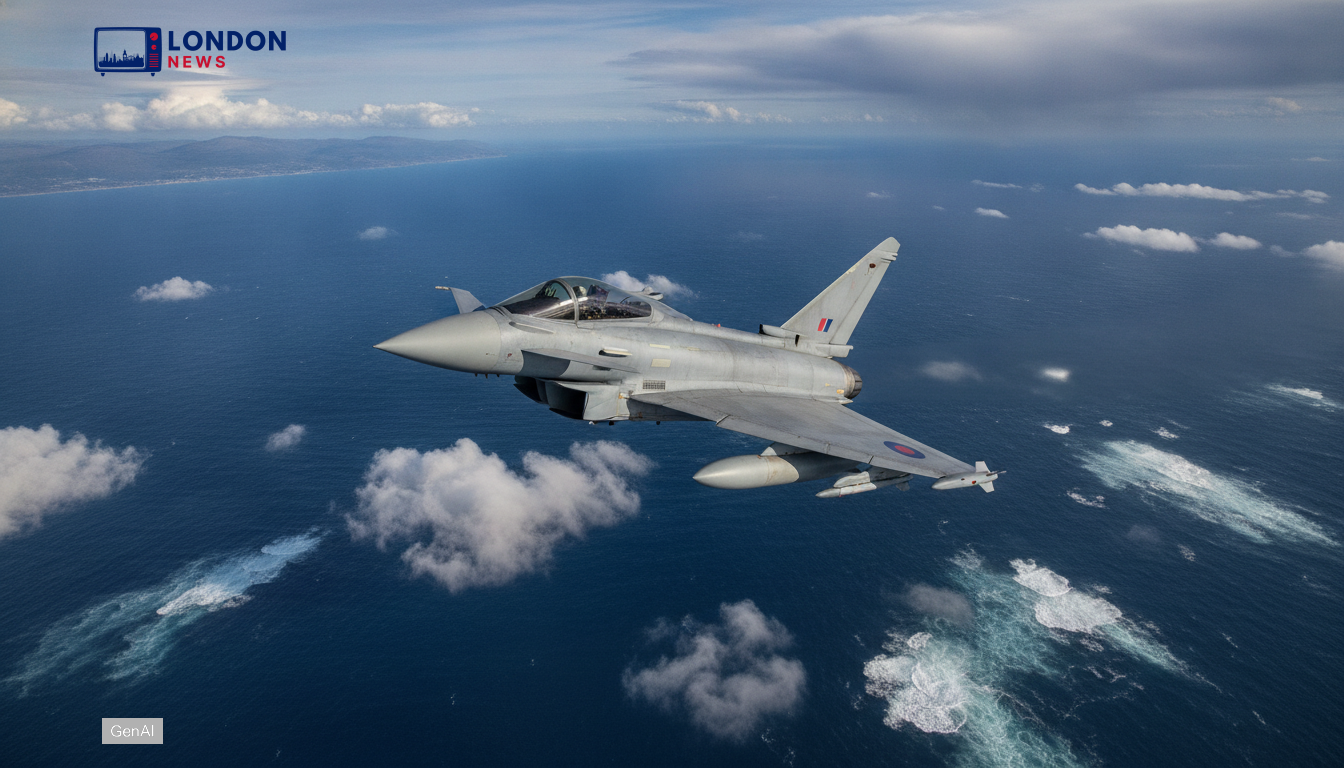
UK fighter jets respond to Russian aircraft
UK fighter jets were scrambled after a Russian military aircraft was detected operating near NATO-monitored airspace over the Norwegian Sea, according to available reports from the Ministry of Defence. The RAF said the mission formed part of NATO’s routine air policing, with aircraft tasked to identify and shadow the contact until it was no longer assessed as a potential risk, as indicated by the RAF. In practical terms, the intercept involves visual identification, confirming flight behaviour, and maintaining safe separation while using established communications, officials said. The MoD described the sortie as controlled rather than escalatory and said allied coordination helped keep the encounter orderly, according to the Ministry of Defence statement. Officials did not publish specific flight times, tail numbers, or the aircraft type involved, citing operational constraints.
Ministry of Defence statement and the political context
The Ministry of Defence said the UK fighter jets launch followed activity it characterised as an attempt to test allied readiness in the High North, and it criticised what it called provocative behaviour near NATO borders. The department did not attribute the flight to a specific unit, and it avoided detailing rules of engagement, citing operational security. Its position is consistent with parliamentary interest in defence planning and spending, including the Defence Investment Plan: Key decisions – The House of Commons Library, which is referenced in ongoing briefings and committee discussions. Against the backdrop of the UK general election, defence readiness and long-term procurement remain active lines of scrutiny across Westminster and within NATO briefings, according to officials and public parliamentary material.
What the intercept suggests about NATO air policing
NATO air policing missions are designed to maintain constant awareness of military movements approaching allied airspace, especially over the Norwegian Sea and North Atlantic routes. Analysts have said Russian aviation platforms can sometimes fly profiles that may pressure response timelines without crossing legal thresholds, creating repeated decision points for commanders and air traffic monitors; those assessments vary by incident. The UK contribution typically focuses on rapid identification and sharing track data with allied controllers to support NATO’s recognised air picture, according to RAF and NATO descriptions of air policing. Wider UK discussions about basing, procurement, and funding pressures continue in parallel, including reporting on Andy Burnham defence plan faces MP funding scrutiny. For context on allied coordination beyond the UK, the Reuters-style brief cited by officials also pointed to cross-border crisis planning discussions noted in Europe heatwave temperatures push Portugal on alert and similar coverage.
Diplomatic and safety risks in close aerial encounters
Close encounters can carry diplomatic weight because split-second operational decisions may be interpreted as political signalling between capitals, as defence officials and analysts often note in public commentary. RAF procedures generally mirror allied standards, focusing on controlled proximity, radio contact when appropriate, and avoidance of unsafe manoeuvres, according to RAF guidance and official descriptions of intercept practice. Russia has historically argued that flights in international airspace are lawful, while NATO states emphasise the need to prevent miscalculation near monitored boundaries and critical routes, according to prior public statements from both sides. Safety concerns can increase when aircraft fly with limited transponder use or in busy corridors, even if they remain outside sovereign airspace, according to aviation safety specialists. In that context, UK fighter jets sorties are typically framed by officials as routine but carefully managed to reduce risk.
Next steps for air defence protocols and readiness
For allied air forces, the operational lesson is the value of consistent procedures and clear command authority across national boundaries, according to NATO and RAF briefings on air policing. Future protocol work often centres on faster data sharing, standardised identification steps, and common safety language for intercept geometry, officials said. The RAF remains central to those tasks because it provides visible reassurance while collecting confirmatory information that supports NATO’s air picture, according to the Ministry of Defence and RAF messaging on air defence. Officials have also linked readiness to investment choices, including sustainment, training cycles, and munitions stock management discussed in parliamentary channels such as Written statements – UK Parliament in recent weeks. While the Norwegian Sea incident was described as routine by the MoD, planners generally treat each intercept as a useful rehearsal for crisis management under pressure, as indicated by defence officials.