Sports
Afghan women’s cricket team backed by King Charles
King Charles reportedly met exiled players and highlighted the Afghan women’s cricket team, with advocates calling for long-term funding, safe pathways and regular UK fixtures.

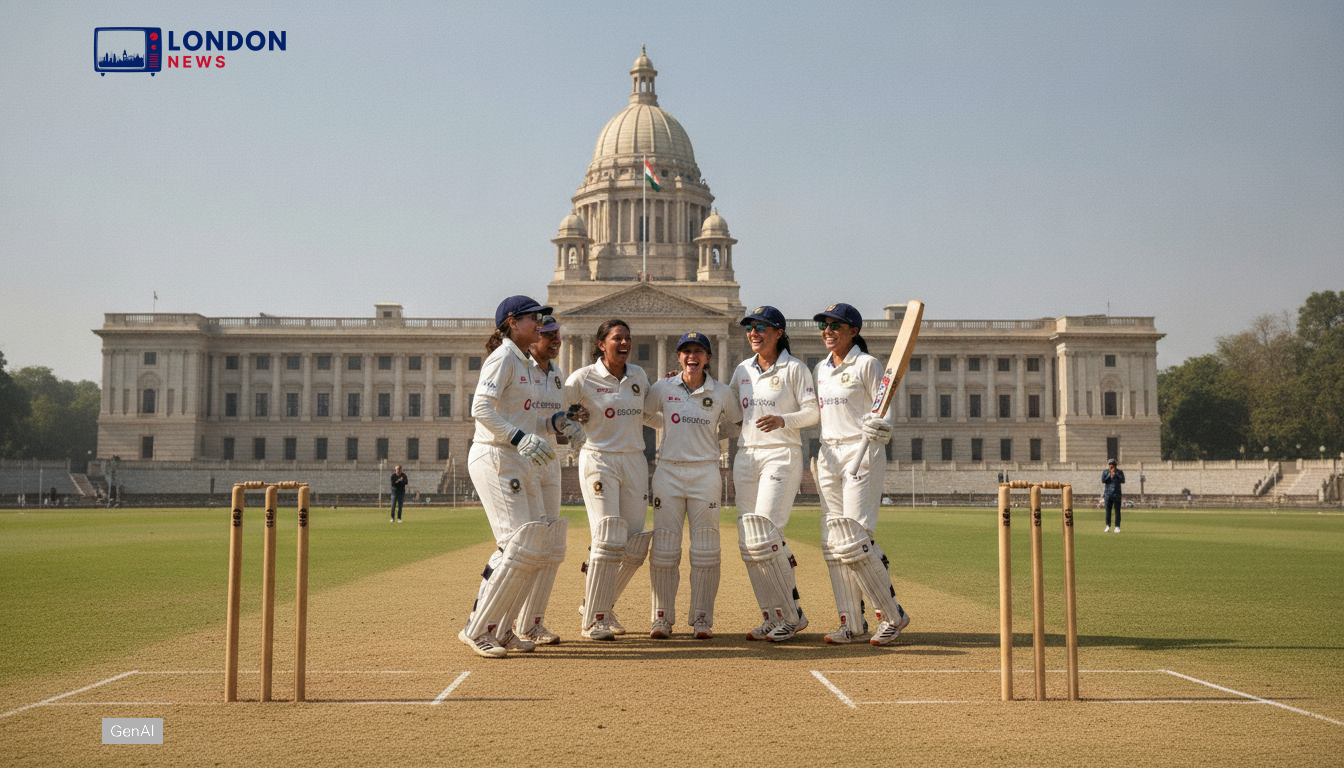
King Charles backs the Afghan women’s cricket team
According to reports, King Charles used a recent engagement in London to spotlight women athletes forced into exile. The meeting reportedly brought together players who have continued training abroad after losing the ability to play officially for Afghanistan. For supporters, the Afghan women’s cricket team has become a test of whether elite sport can be sustained without consistent rights protections, facilities, and travel access. Commentators said palace aides presented the encounter as support for sport rather than a political intervention, but the optics were still significant for sponsors and host organisations. Players and advocates indicated the engagement could help amplify requests for regular fixtures, coaching support, and stronger safeguarding standards where the squad now lives and trains.
Why the Afghan women’s cricket team cannot play at home
The central obstacle remains restrictions that limit women’s participation in many public activities, including organised sport and competitive pathways, as documented in international reporting and monitoring. Human rights constraints affecting women and girls in Afghanistan have been documented by the United Nations on the UN Women and gender equality resources pages. UK attention to public leadership and accountability continues in parallel, including Keir Starmer transition talks with Burnham on handover reporting that reflects wider institutional scrutiny and pressure. For exiled players, those restrictions can mean the loss of domestic facilities, coaching ladders, and official fixtures, leaving them reliant on informal networks in host countries.
What UK based support looks like in practice
Advocates in London say visibility from high profile meetings can validate existing support networks and keep sponsors engaged. For the Afghan women’s cricket team in exile, practical needs include access to indoor nets during winter, qualified coaching, sports medicine, and stable immigration status so players can commit to training blocks. International sport governance has also faced questions about how commitments to women’s cricket are enforced, with the International Cricket Council outlining its approach in its ICC about and governance overview. In a different policy arena, debate about regulated standards has surfaced in other coverage such as Portugal mandates fixed-rate electricity contracts, often cited by analysts as an example of how rules can be tied to compliance.
A brief history of women’s cricket in Afghanistan
Women’s cricket in Afghanistan developed unevenly, with early efforts repeatedly interrupted by political upheaval and security concerns, according to accounts from players and administrators in media interviews. The recent royal engagement highlighted how that history has produced a diaspora of talent that now trains in pockets across Europe and Australasia, according to advocates close to the group. Related UK public interest in royal schedules continues, including Prince William electric bus arrival highlights green travel. Within women’s sports, the case is often cited because the barrier is not only performance or participation rates, but the inability to organise and compete openly. Royal recognition may add weight to the idea that these athletes’ records and ambitions still matter internationally.
What comes next for exiled Afghan women cricketers
Near term prospects likely depend on sustained support in host countries, credible competition opportunities, and clear pathways to remain in the sport. UK based charities and cricket bodies have, according to campaigners, focused on practical steps such as training access, safeguarding, education support, and help navigating visas and housing. Athletes need predictable fixtures and coaching more than statements, and sponsors often look for measurable milestones like match appearances and accredited programmes. For the Afghan women’s cricket team, supporters suggest the King’s engagement could provide additional visibility that helps secure facilities and mentoring partnerships, particularly in London where diaspora networks are strong. The most meaningful outcome would be a stable programme that allows the squad to compete regularly under a protected structure while long term political barriers remain.